




Indigenous, human rights and legal groups have slammed the Victorian government's decision to abandon plans to raise the age of criminal responsibility to 14, arguing the Labor government have caved in to a conservative media scare campaign and abandoned Indigenous children.
The government has already committed to raising the age to 12 in the Youth Justice Bill - which has passed the lower house - but on Tuesday, Premier Jacinta Allan along with Attorney-General Jaclyn Symes said they would not be raising the age to 14 in 2027.
A significant campaign across Victorian media - labelled "fear mongering" by Victorian Aboriginal Legal Service (VALS) chief executive Nerita Waight - has highlighted instances of youth crime, which has been labelled a "crime wave" by the state's opposition, and had thrown the decision into doubt.
While data from the Victorian Crime Statistics Agency shows a 20 per cent increase in youth offender incidents over a 12-month period to June, accounting for population growth, the numbers are almost the same as in 2017. Almost all of this increase has involved offenders aged 14-17, who would not be impacted by raising the age of criminal responsibility to 14.
VALS called the decision an "example of weak leadership and regressive decision making," arguing the Labor government "write their promises in the sand".
"It's obvious that the Victorian government has caved to a scare campaign from Victoria Police and the Herald Sun. Neither of them will reward the government for bending the knee," Ms Waight said.
She said advocates had trusted the government, but had been "betrayed by their treacherous decision to abandon our children".
"Today Cabinet made a heartless decision to cast aside the best interests of vulnerable children," Ms Waight said.
"Many of these politicians are parents themselves but their children will never be subjected to racist policing, never be denied access to the supports they need, and never be thrown away.
"I wonder if they could have made this needless decision if it was likely to impact their children?"
Criminologist Dr Matthew Morgan called the decision a "disgrace," and a "popular punitive narrative" which wouldn't do anything to help community safety.
"It's not going to work," Dr Morgan told National Indigenous Times. "It's going to make the community more unsafe as a whole. I can't believe that at the age of 12 you can actually go to prison."
He said all that was achieved from locking up children was they would be criminalised earlier, with no restorative impact.
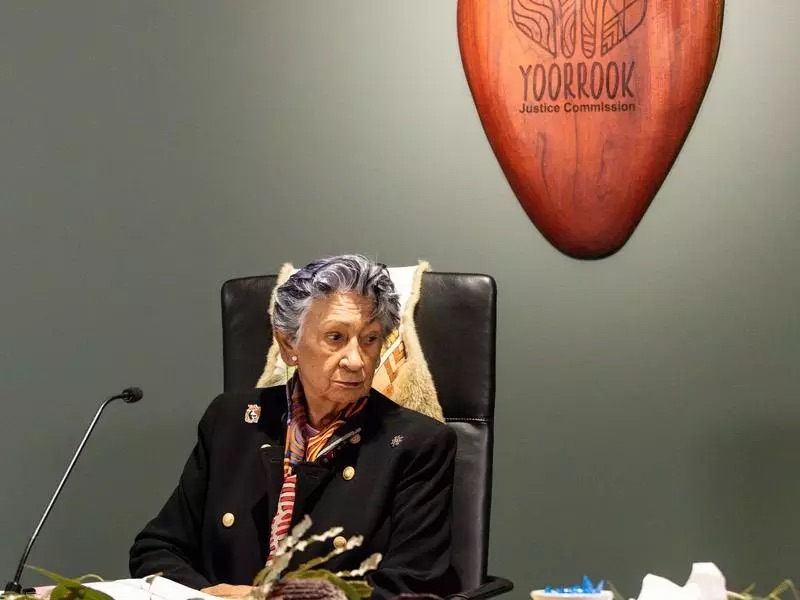
Chair of the Yoorrook Justice Commission, Professor Eleanor Bourke, said the decision to raise the age to 14 - first promised by former Premier Daniel Andrews - would help rectify historical injustices faced by First Peoples.
"Today that promise has been broken," Professor Bourke said.
Premier Allan sidestepped the question when asked by reporters how she would level this decision when she had committed at Yoorrook to apologising to First Nations people for the historical harm caused by the Victorian government.
Professor Bourke said the "tsunami of disappointment" couldn't be underestimated.
"This decision is so contrary to the evidence it is difficult to comprehend – evidence heard by Yoorrook and countless other inquiries, commissions and coronial inquests over a period of decades," she said.
Deputy Chair of Yoorrook, Adjunct Professor Sue-Anne Hunter, said the announcement was a major setback for the community.
"This decision means our people will continue to suffer for generations to come. But if we amend the law and raise the age, everyone benefits," she said.
The First Peoples' Assembly, who will shortly begin treaty negotiations with the Victorian government, didn't hide their frustration at the announcement.
"Like every Aboriginal mother hearing this news, I am deeply disappointed and concerned," Co-chair Ngarra Murray said. "Children need support to learn from mistakes, not getting caught up in a broken system that inflicts more harm than good."
Fellow Assembly Co-chair Rueben Berg said he was shocked, and deeply concerned the decision had been made without proper consultation with Indigenous organisations. At the press conference announcing the decision, the only non-government figure was police commissioner Shane Patton, who has long advocated against raising the age to 14.
"The Premier has previously demonstrated she can work in good faith with First Peoples, but the decision taken yesterday is in stark contrast to this decision," Mr Berg said.
"It flies in the face of recommendations arising from the Yoorrook Justice Commission's truth-telling process as well as countless other reports and inquires."
Victoria's Commissioner for Aboriginal Children and Young People, Meena Singh, said the decision let children down—especially those who come from disadvantaged backgrounds, or who have experienced trauma, mental ill health or live with disability.
The government told reporters on Tuesday the rights of victims of crime, as well as community safety, were paramount, but little evidence exists to say placing children under 14 behind bars helps either.
"As a community we're inclined to want to blame and punish, and some of that is very understandable when we are talking about individual victims and their families, but when this drives policy responses it does not produce effective solutions,' Commissioner Singh said.
Monique Hurley, the associate legal director at the Human Rights Law Centre, called the decision a "heartless move", which would only "break children's lives and cause avoidable lifelong harm".
"Instead of listening to the abundance of expert evidence from Aboriginal and Torres Strait Islander, medical, child development, youth, legal and human rights groups on what works to help children and make the community safe, the Allan government has yet again chosen a kneejerk response," she said.



