




The Victorian government has reneged on its commitment to raise the age of criminal responsibility to 14, betraying organisations who campaigned for the change and experts who highlighted its benefits.
On Tuesday, Premier Jacinta Allan, along with Attorney-General Jaclyn Symes, revealed the Labor government, who have already committed to raising the age to 12 in the Youth Justice Bill - a Bill which has passed the lower house - would not be raising the age to 14 in 2027 in line with medical consensus and many western countries.
"… The bill that is before … the legislative council this week raises the minimum age of criminal responsibility to 12. We are the first state jurisdiction in the country to make this change. Twelve is where it will stay," the Premier told reporters.
"And in terms of last year to this year, the decision had been made at a different time by a different government with a different premier. The decision has been made by the government to keep the minimum age of criminal responsibility to 12, to maintain a focus too on the child."
The premier said that as of Tuesday morning, there were no children under 14 currently in prison in Victoria.
The decision has outraged Indigenous groups who have already felt betrayed by a government who backtracked on youth bail laws earlier this year, as well as failing to support the majority of recommendations in the Yoorrook Justice Commission interim report.
"We trusted the Victorian Government and we have been betrayed by their treacherous decision to abandon our children," Victorian Aboriginal Legal Service chief executive Nerita Waight said.
Premier Allan is set to face enormous pressure from First Nations people in the state, especially in the wake of her appearance at the Yoorrook Justice Commission, where she said she was prepared to apologise to First Nations people for the injustices suffered due to government policies.
Asked to justify her decision after her commitment to Yoorrook, the Premier side-stepped the question, noting she was proud to have appeared in front of the truth-telling commission.
"The bill that's in the parliament right now has worked closely with Indigenous Victorians…," she said.
"This bill, for the very first time in the Victorian legislative framework, enshrines self- determination principles. It enshrines and embeds indigenous voice and decision making in the in the youth justice framework."
Victorian Greens spokesperson for justice, Katherine Copsey, said it was "yet another backflip that flies in the face of advice."
"First Nations communities couldn't have been clearer about what's needed in order to keep kids safe, keep the community safe and support them to lead full and happy lives,' she said.
The cabinet met earlier on Monday to discuss a range of measures to reduce youth crime, which has received a large amount of media coverage but is widely accepted to be based around a small cohort of repeat offenders, rather than a "crime wave".
Ms Waight has previously criticised the fear campaign on youth crime and condemned members of the Victorian Police for "fear mongering" on the issue as part of their opposition to raising the age.
As previously revealed by National Indigenous Times, the government announced the 1,000-page youth justice bill will see several changes before debate begins in parliament's upper house.
The Bail Act will be amended, mandating magistrates and judges to refuse bail if they deem there is an unacceptable risk of a person committing a serious crime.
These would include dangerous driving, carjacking, home invasion and aggravated burglary or robbery.
A new offence of committing a serious crime whilst on bail - including murder, rape, and aggravated burglary - is also set to be introduced.
There is also the creation of a new separate offence of committing a serious crime while on bail, which was previously removed as part of bail changes that came into effect earlier this year.
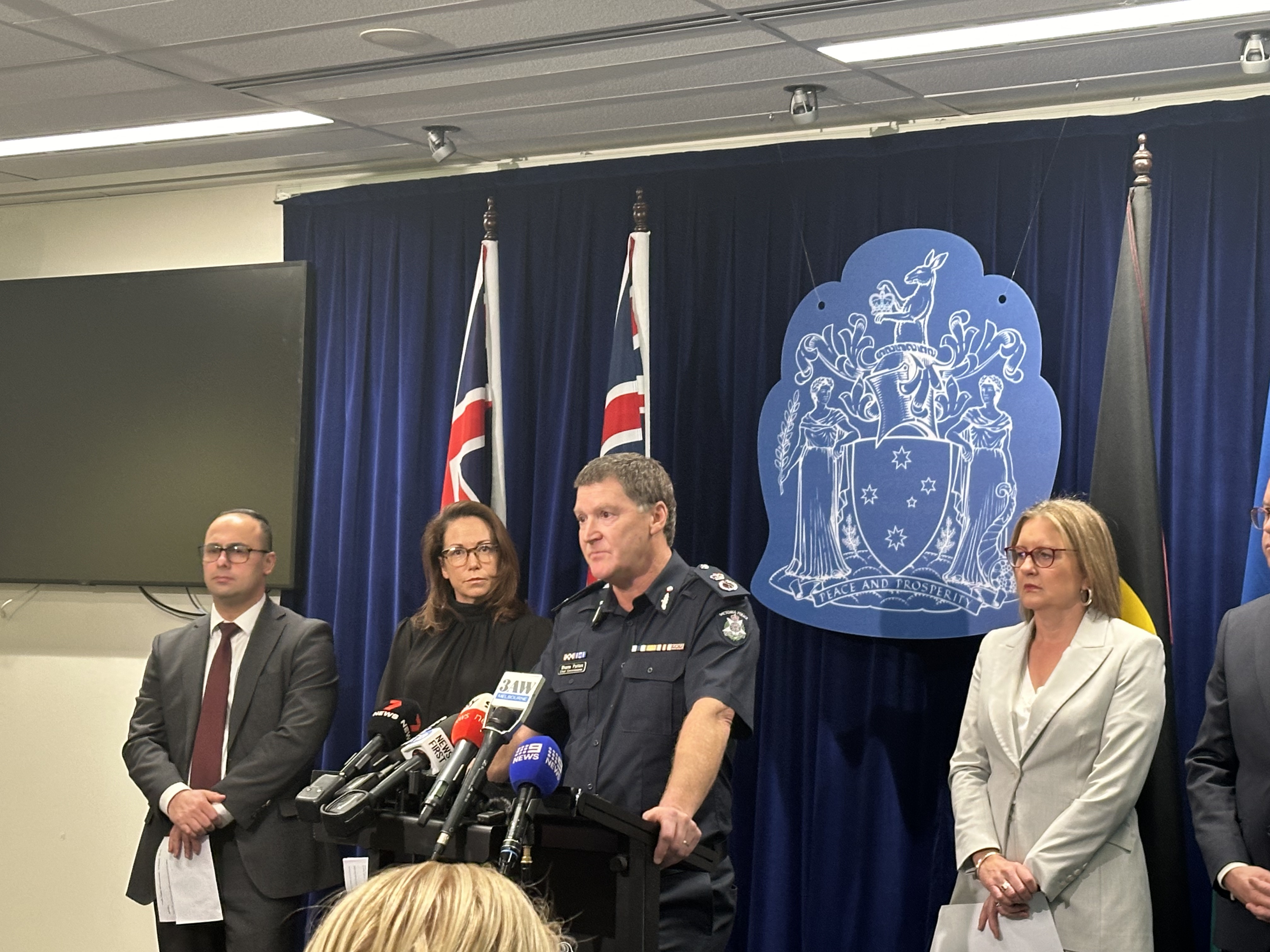
Victoria Police commissioner, Shane Patton, said he welcomes the changes, telling reporters it "would see more people being remanded [and] a harder approach on those high-end offenders".
"I would think that we will see more people being remanded for those offences until we can address the root causes of why they're committing those offences," he said.
The raising of the age has been long called for by human rights, Indigenous, legal, and medical groups, who have long scoffed any argument they are contentious.
On Monday, Victorian Aboriginal Community-Controlled Health Organisation (VACCHO) chief executive Jill Gallagher said Boorai (children) belong in school, not prison.
"We know that interactions with the criminal justice system not only stigmatise young people but also sets them on a path and cycle of recriminalisation," Ms Gallagher said.
"This contributes to intergenerational trauma and perpetuates cycles of disadvantage within Aboriginal and Torres Strait Islander families in Victoria."
The government has walked back support on raising the age to 14, despite it not being scheduled to 2027 and after the creation of an "alternative service model".
Monique Hurley, associate legal director at the Human Rights Law Centre, said the age of criminal responsibility needed to be raised without delay.
"The minimum age of criminal responsibility must be at least 14 years. Anything less will continue to be a failure by the Allan government to uphold the human rights of Victorian children," she said.



