



The Royal Australian College of General Practitioners has expressed disappointment at the latest Closing the Gap annual report which found only four of the 17 targets are on track.
The report released Wednesday was the first since an agreement was struck in 2020 between the Australian government, the Coalition of Peaks, and other stakeholders to renew ways of collaborating to improve outcomes for Aboriginal and Torres Strait Islander people.
While the report found birth weights of Aboriginal and Torres Strait Islander babies, preschool aged children attending early childhood education, and land and sea rights have improved, many targets are not on track and some, including suicide rates, adult incarceration, and Indigenous children in out-of-home care, have gotten worse.
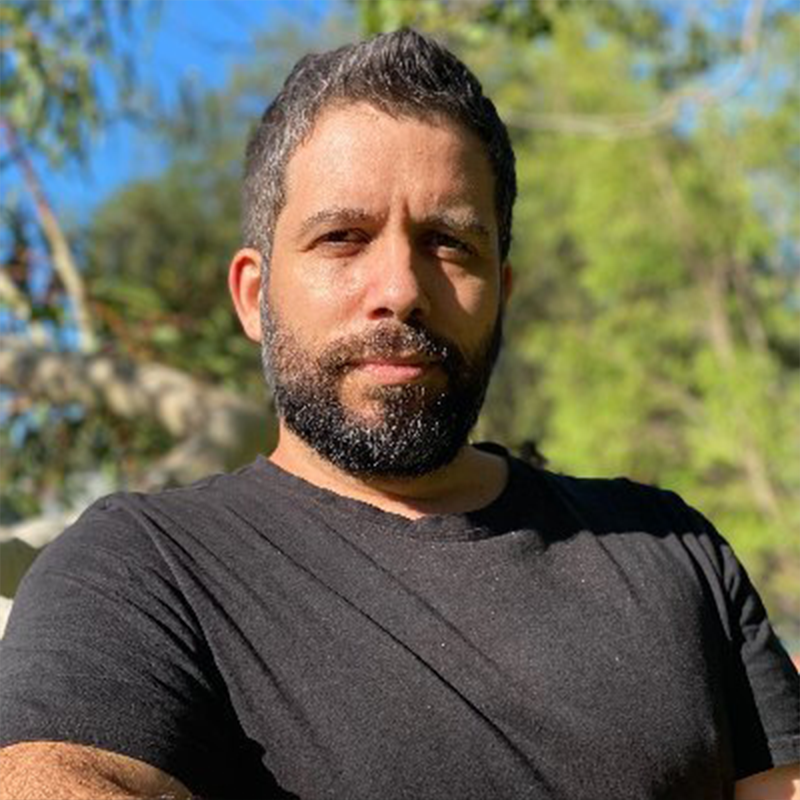
The College's newly appointed Aboriginal and Torres Strait Islander Health Chair Dr Karen Nicholls said the report made it clear that more work is needed.
"It is very disappointing that the annual report on Closing the Gap is once again showing limited progress on key targets to improve the health, wellbeing and life outcomes for Aboriginal and Torres Strait Islander people," she said.
"While there has been progress in some key areas, such as birth weights of Aboriginal and Torres Strait Islander babies, other areas have gone backwards, including rates of suicide and Aboriginal and Torres Strait Islander children in out-of-home care.
"The report makes it clear that there is much more work that needs to be done, and it needs to happen urgently."
Dr Nicholls said social determinants – the conditions in which people are born, grow, live, work and age – are the key to improving Aboriginal and Torres Strait Islander health.
"Research suggests that approximately 35% of the health gap is linked to social determinants. This is why it's essential that we make real and rapid progress to improve all of the different factors that impact on health, wellbeing and life outcomes in order to Close the Gap," she said.
"Evidence-based health programs led by Aboriginal and Torres Strait Islander people will go a long way to improving health outcomes and helping efforts to Closing the Gap. But they need to be adequately resourced."
Dr Nicholls said there also needs to be more work done to improve the cultural safety of our Aboriginal and Torres Strait Islander health workforce, as well as greater investment in the growth and sustainability of the Aboriginal and Torres Strait Islander health workforce, across a range of professions, including cultural positions such as traditional healers.
"As the RACGP Aboriginal and Torres Strait Islander Health Chair, I look forward to working closely with our partners in the sector and contributing to meaningful efforts to Closing the Gap. And to the GPs and other healthcare workers caring for communities across the nation, I say thank you – your work makes a real difference," she said.
The Royal Australian College of General Practitioners is an ongoing supporter of the Close the Gap campaign and works closely with our partners including the National Aboriginal Community Controlled Health Organisation.



