




While this week's Parliamentary apology to First Peoples is a "historic step," Victoria's outgoing Commissioner for Indigenous children warns the state risks needing another apology in the future if it fails to address the overrepresentation of Aboriginal youth in out-of-home care and youth justice.
In a statement on International Human Rights Day, Meena Singh — who stepped down last month as Victoria's Commissioner for Aboriginal Children and Young People following the passage of new youth justice laws allowing life sentences for children as young as 14 — welcomed Premier Jacinta Allan's apology on Tuesday for the harm inflicted on First Peoples.
However, she said, it would mean little if punitive policies continue unchecked.
"So many Elders and community members, some no longer with us, have given so much to get to this historic point," Ms Singh said.
"It will be for nothing if we continue to see the futures of Aboriginal children and young people written for them in policies and practices that continue to break up families in record numbers and laws that jail children and young people as adults."
View this post on Instagram
Victoria continues to remove more Aboriginal children into out-of-home care (OOHC) than any other jurisdiction. According to this week's Family Matters report, Aboriginal children are 22 times more likely to be placed in care than non-Indigenous children.
In youth justice, the government has conceded the new laws — described by the National Indigenous Children's Commissioner as a "moral failure that will have a resounding impact for the next generation and beyond" — are incompatible with the state's Human Rights Charter. Modelled on Queensland's "adult crime, adult time" approach, the "adult crime for violent crime" reforms sharply increase maximum penalties for children aged 14 and over convicted of certain violent offences in adult courts, including life sentences for aggravated home invasions and carjacking.
In the wake of their announcement, Co-Chair of the First Peoples' Assembly, Ngarra Murray, noted, "Our peoples are already over-policed and over-represented in prison populations."
Regarding the new legislation, she said: "Aboriginal communities will again bear the brunt of the government's proposed changes, which will result in Aboriginal children being locked up in prison and kept away from their families for longer."
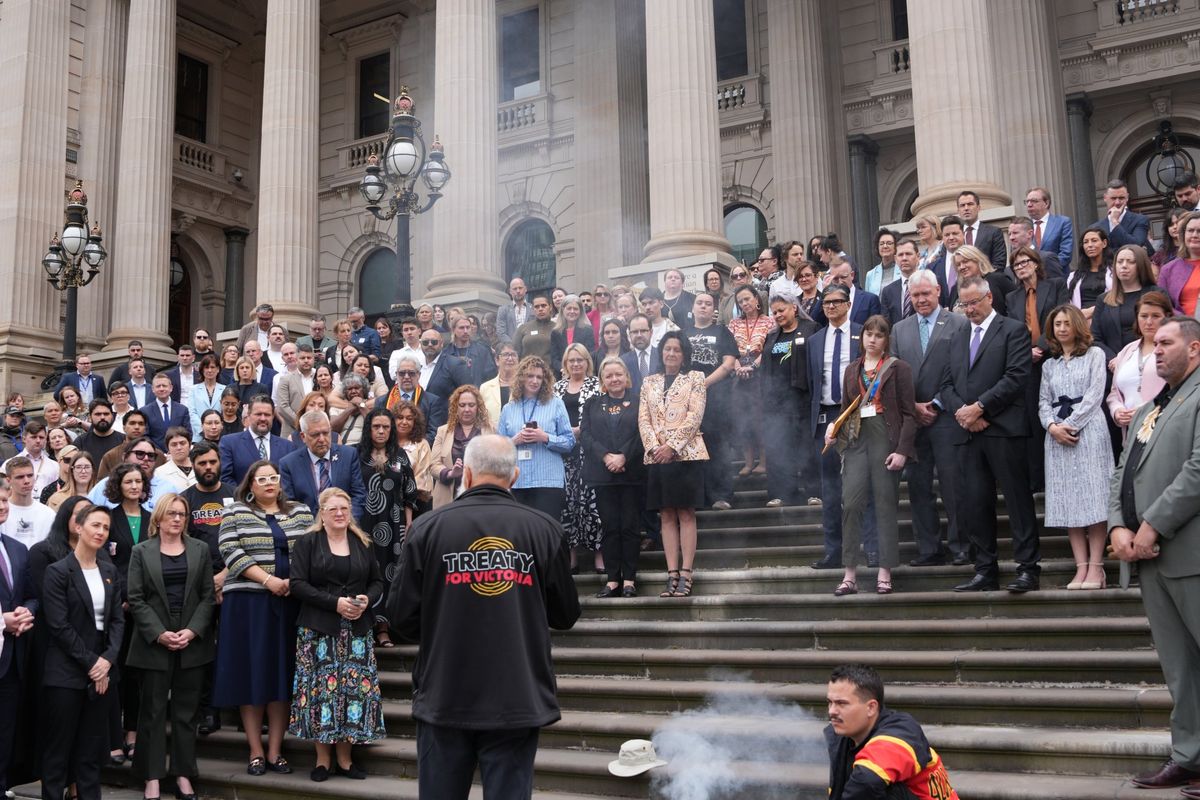
Addressing Parliament during the apology on Tuesday, Greens leader Ellen Sandell mirrored Ms Singh's foreboding, warning the new laws could lead to another apology in years to come.
"I fear that in 10 or 20 years time a new Parliament will have to stand in this exact same place and apologise again for policies enacted this year that governments knew would destroy more First Nations people's lives," she said.
Ms Singh said the laws will disproportionately impact Aboriginal children and young people — a point acknowledged by Youth Justice Minister Enver Erdogan in Parliament last week. She added since beginning her role in April 2022, rates of Indigenous youth incarceration and OOHC — systems her office independently oversees — have continued to rise.
"At the Commission, our independent monitoring, oversight and advocacy uncovers the experiences of Aboriginal and other vulnerable children and young people who have been through significant trauma, only to experience more trauma when they are subjected to systems that do not understand their histories or needs," Ms Singh said.
Highlighting a "staggering disconnect" between the "positive" progress of Treaty-making and the new youth justice laws, she said Treaty should be "rightfully" celebrated as a "step forward".
"We must see policy and laws that keep the rights, strength and safety of Aboriginal children and young people front and centre," Ms Singh added.
"In doing so, we will see improvement in the lives of many of the most vulnerable children and young people in Victoria."
View this post on Instagram
The government has defended the laws, saying they prioritise victims of rising youth crime. Recent data shows children aged 17 and under are responsible for 60 per cent of robberies and nearly half of aggravated burglaries.
"Many Indigenous Victorians are victims of crime," Ms Allan told journalists on Tuesday.
"They are disproportionately overrepresented as victims of crime, and that is why we have, amongst other reasons — from listening to victims of crime and hearing that there's not enough consequences — that there needs to be stronger consequences for the brazen, violent offending that is causing this harm across our community."



