


This speech was given at the RING (Reconciliation Industry Network Group) NAIDOC Gathering in Sydney on Thursday by keynote speaker and MC, Indigenous singer, songwriter, musician and advocate Toni Janke.
Tonight we come together as an industry group to celebrate NAIDOC Week and the past 50 years since the commencement of NAIDOC. Fifty years! Wow! What an achievement - just think about that. That's half a century.
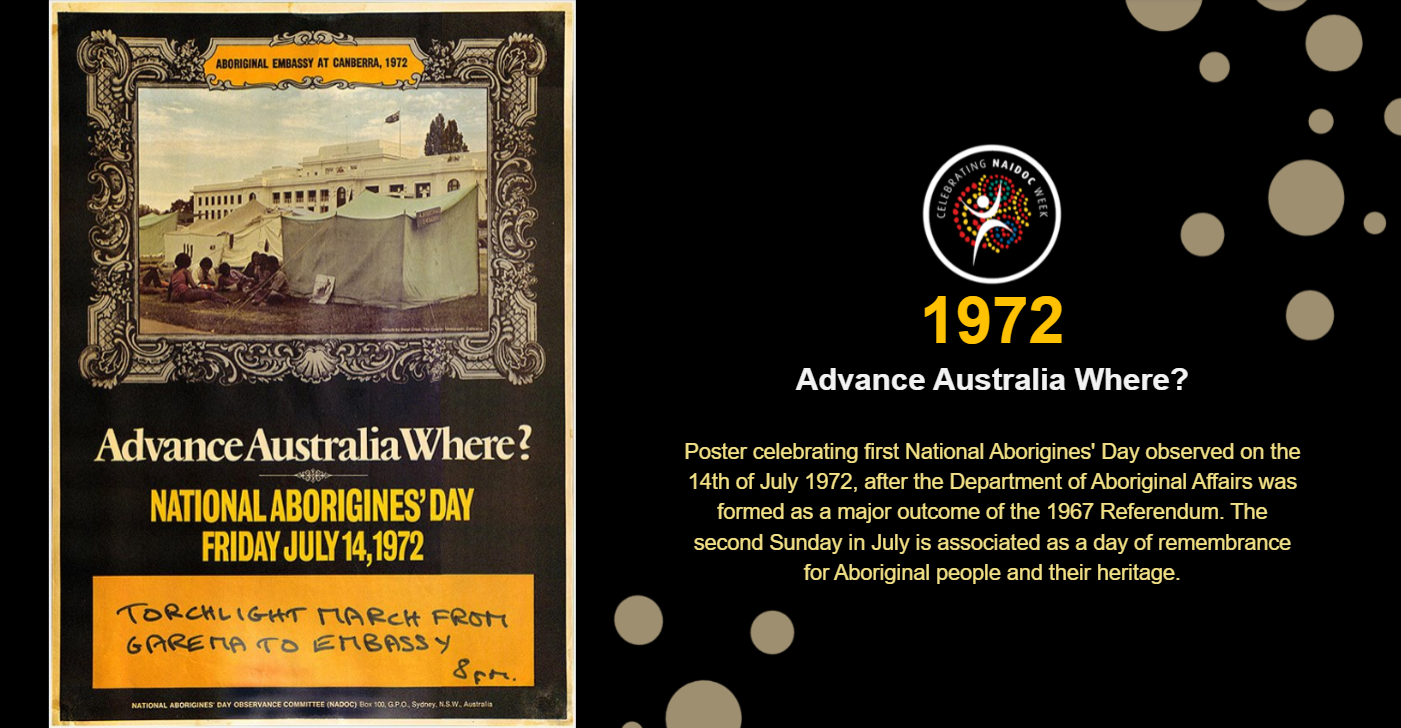
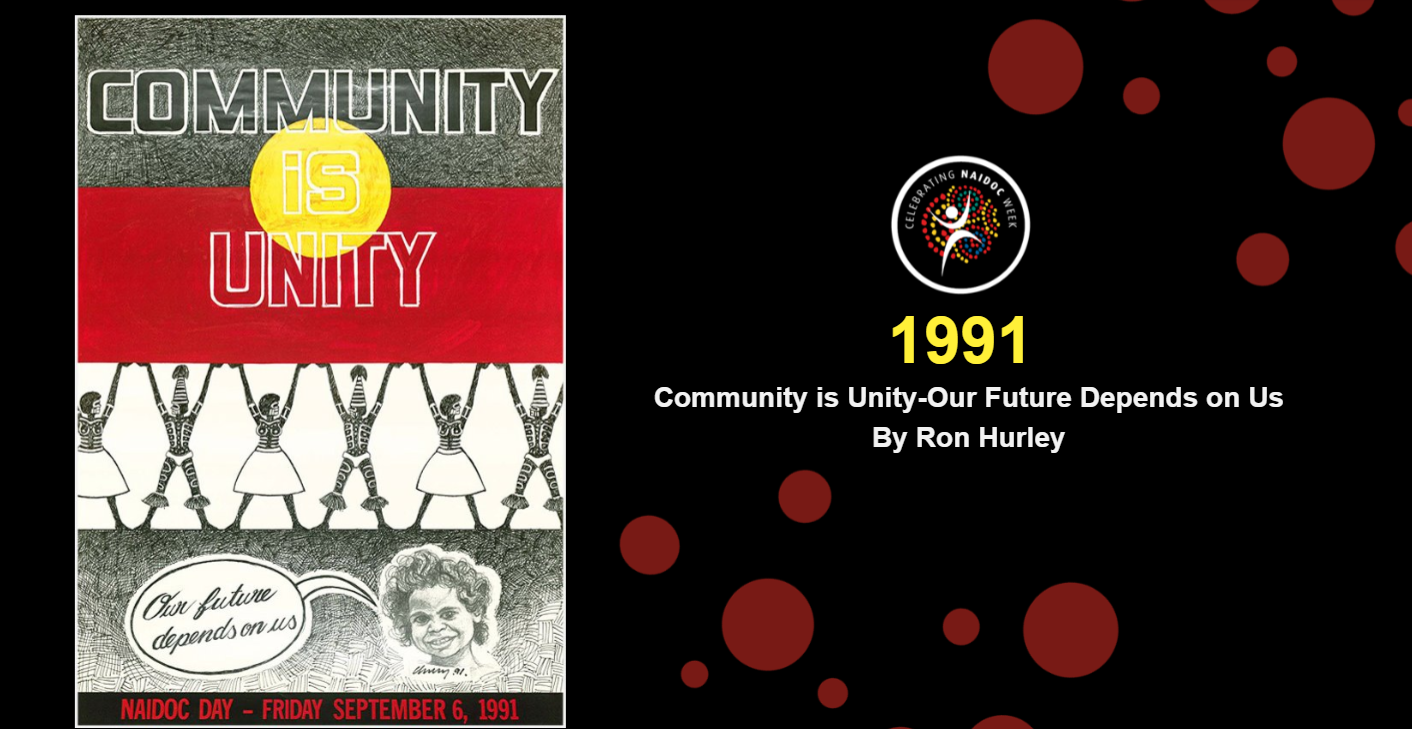
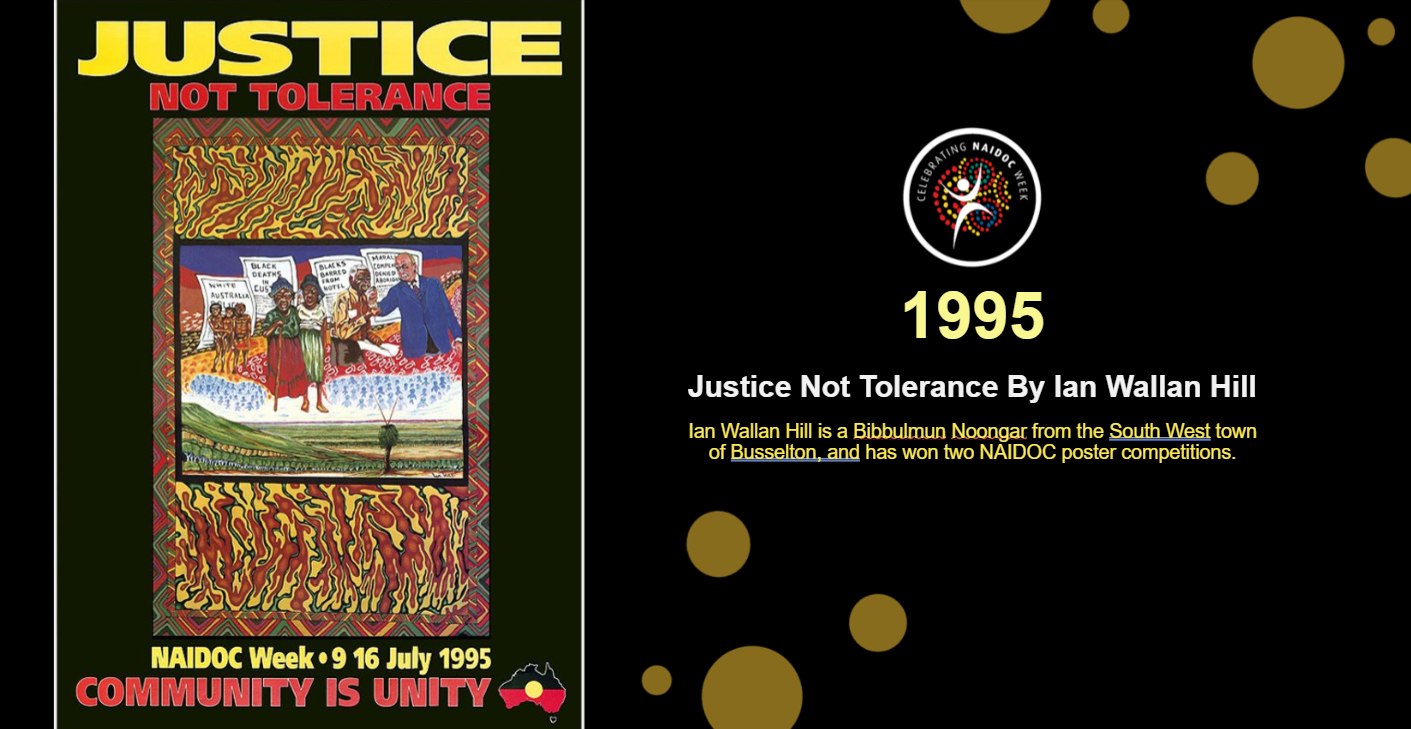
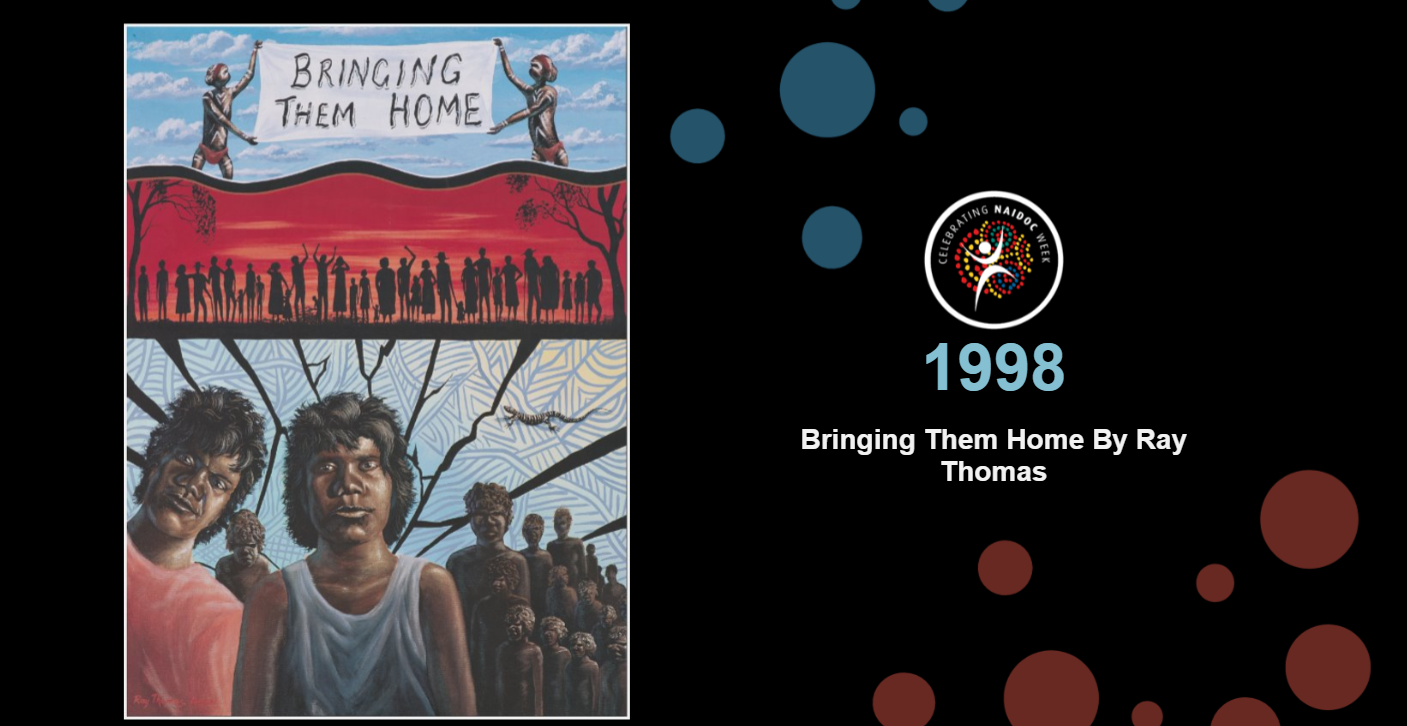
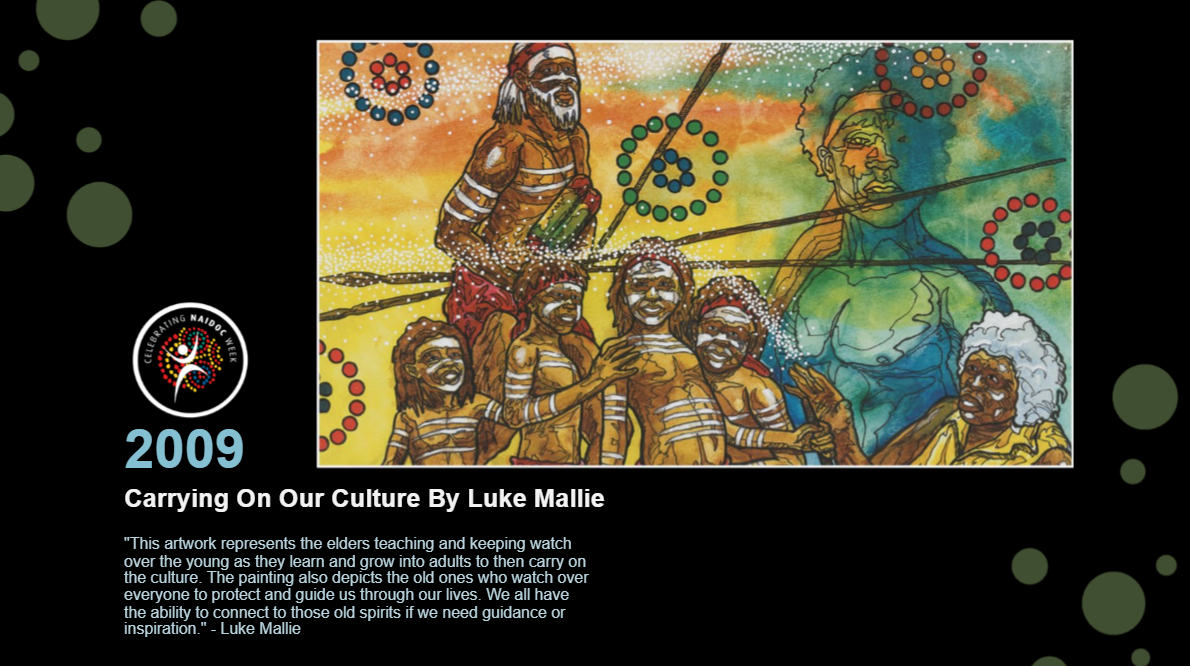
Behind me, you will see some of the themes of the various NAIDOC posters over the years. They are in fact powerful pieces of artwork in their own right, and these themes have identified and shaped First Nations priorities as well as the national agenda since the 1970s.
I think one of my favourite posters is 'Burning the Fire Out Loud', but my favourite theme would have to be 'Because of Her We Can'. At the time, my brother, John Paul Janke, was Co-Chair of the National NAIDOC Committee and helped develop the theme. I often think about my mother and how I have been able to do all of the things that I have done in my life because of her tenacity. She worked hard and gave up many things herself so my siblings and I could have an education. Because of her, we have been able to do great things. In fact, I think a lot of us can relate to that particular theme and our own families and communities.
Maybe you have a favourite theme and poster. You might want to talk about this later tonight when we will have the opportunity to network with each other.
But let me take you back - because I can remember what it was like 50 years ago. It doesn't seem that long ago sometimes. I can remember the flares, the music - disco, glitter, the hairstyles, the protest marches. Life was very different back then. Australia was a very different country than the one we currently live in today.
And I can certainly remember what it was like growing up as a young girl in Cairns, in North Queensland, with racism. My parents were actively involved on the NAIDOC committee when we were kids. In 1964, my mother, Joanna, was crowned Miss OPAL (which stood for the One People of Australia League). OPAL was one of the movements before NAIDOC. It was considered the equivalent to Miss NAIDOC back in the day. Everyone would get dressed up. They'd style up in their best clothes (much like we still do today when we attend the NAIDOC Ball).
There were beauty pageants. There was even a debutante's ball. OK, it was the '70s! And of course, awards were presented acknowledging the important contributions and service of Aboriginal and Torres Strait Islander members of the community.
In fact, over the past fifty years, we have witnessed the building of an entire movement - all of it forged through sheer determination and advocacy, as well as a lot of blood, sweat and tears, the fighting for justice, for recognition and unity and reconciliation.
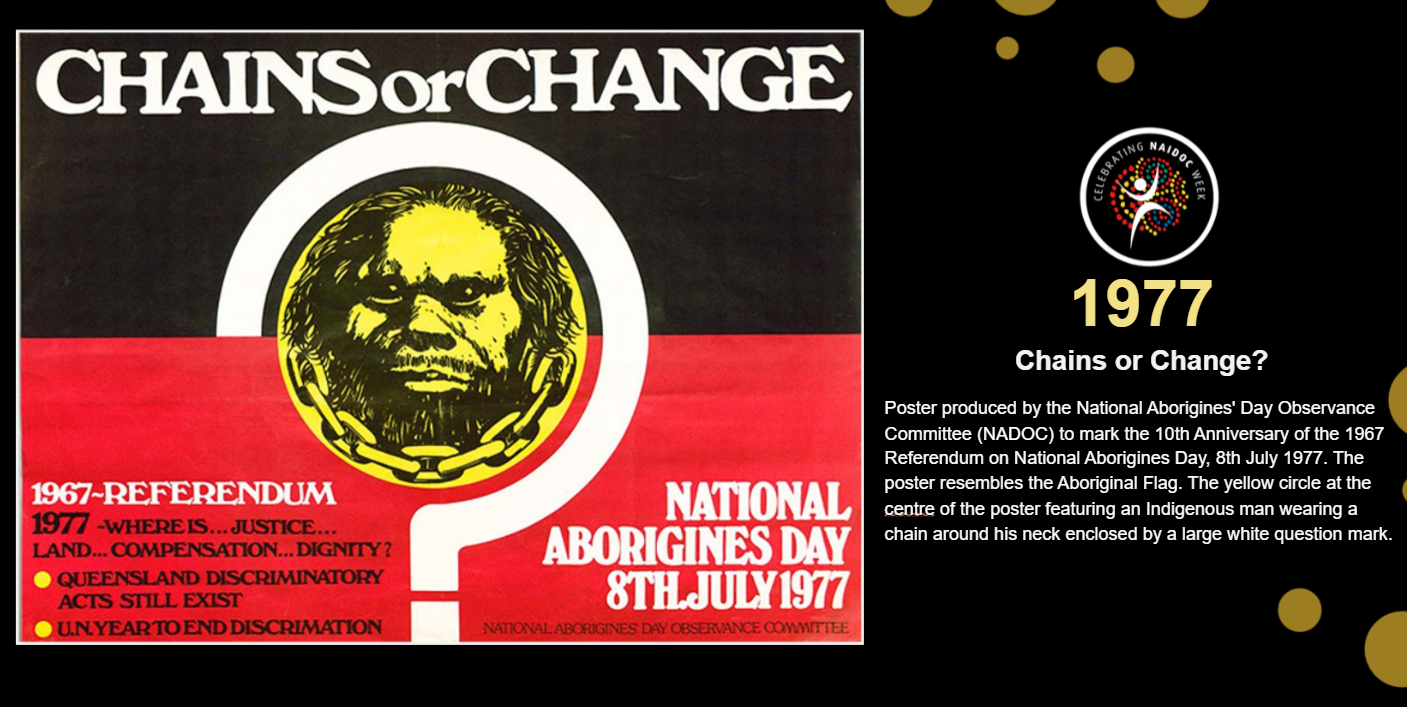
It is a movement that has consistently grown stronger and stronger every year and is becoming more and more prevalent, diverse and powerful - one that celebrates the fact that we are not only still here as First Nations people, but that we are loud, proud and deadly! And we will continue to celebrate our stories and our culture - for the next fifty years and beyond.
But it is also important to remember that what we celebrate today actually began as a protest, with the call for a national Day of Mourning back in 1938 by the then National Aborigines Conference. It was a call for justice and a demand for Aboriginal and Torres Strait Islander people to be seen and heard, and to be treated as human beings with equal dignity. In fact, everything we celebrate today exists because generations before us refused to accept that the future had already been written. Every right that exists today - the things we enjoy and take for granted - our people marched and campaigned long and hard for. So, as we celebrate the victories today, we also acknowledge the unfinished business - the work that must continue to be done for years to come.
And some might say that fifty years is really only a short time when we compare it to 65,000 years or more, which of course, it is. And this is particularly so when you think about the widespread destruction of our communities, our culture and languages since colonisation. Yet in the past 50 years, we have seen some extraordinary changes happen. We have seen a phenomenal revival of culture, with rapid growth in our communities and population rates today.
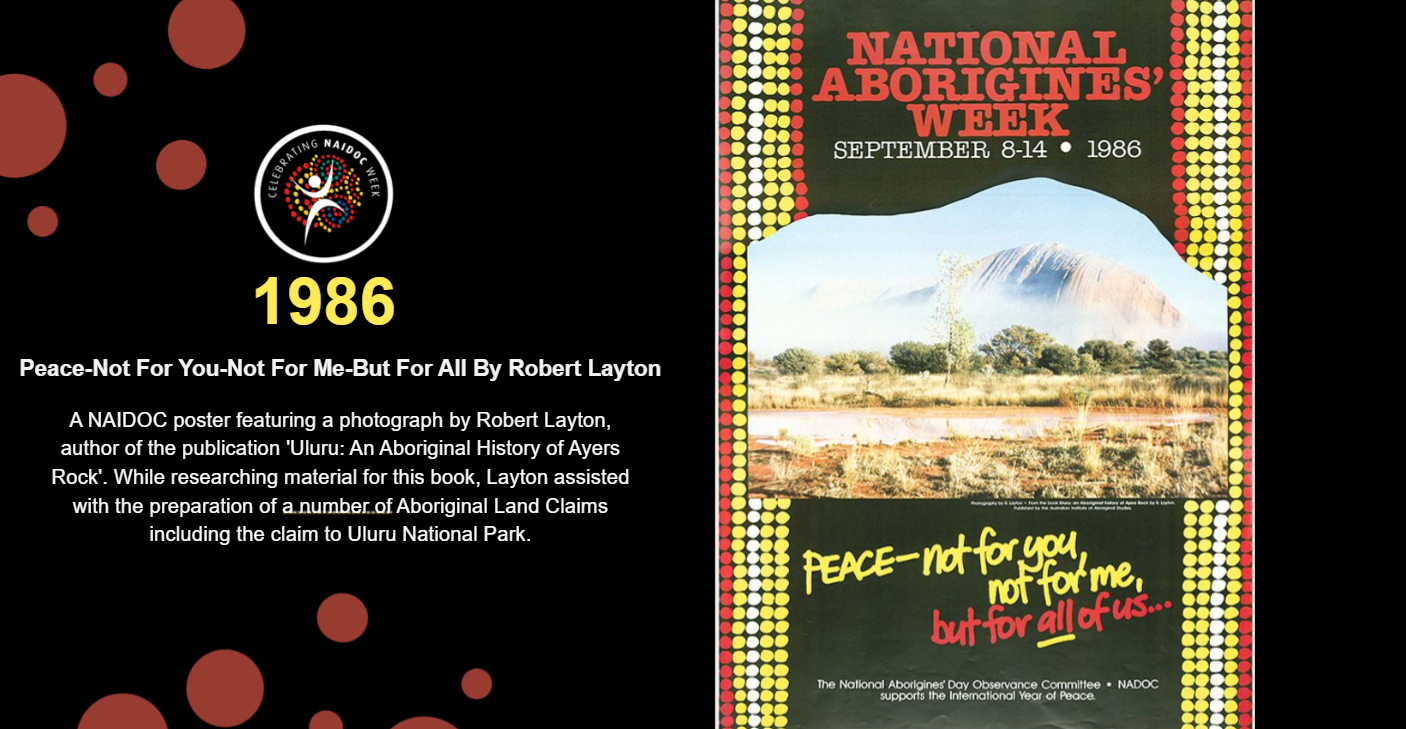
We have certainly come a long way since the 1970s. Today we acknowledge Country at Parliament. Major sporting codes promote Indigenous rounds, universities teach Indigenous knowledge. Businesses drive reconciliation in their workforces. We are building powerful relationships - of trust, and opportunity. We genuinely want to grow together as a nation, despite many of the challenges that we still face.
There are also a lot of amazing things happening in our workplaces. We know this, despite the media coverage and the political campaigns to create division regarding all things First Nations. But the real challenge for us is to keep our focus on leadership - not on division or negative sensationalism - but on responsibility, on unity and our shared commitment to move beyond the tough issues and remain optimistic, just like those NAIDOC visionaries who fought and championed for justice did, several years ago.
But we cannot be naive. Some Australians still do not fully understand and appreciate the significance of NAIDOC and this country's rich history. Others still challenge or fail to understand the significance of Welcome to Country, or certainly do not share the same optimism and hope that we do. In fact, some people deliberately want to cut us down and undo much of the good work that has been done over the past 50 years. We still constantly deal with racism - directly and systemically.
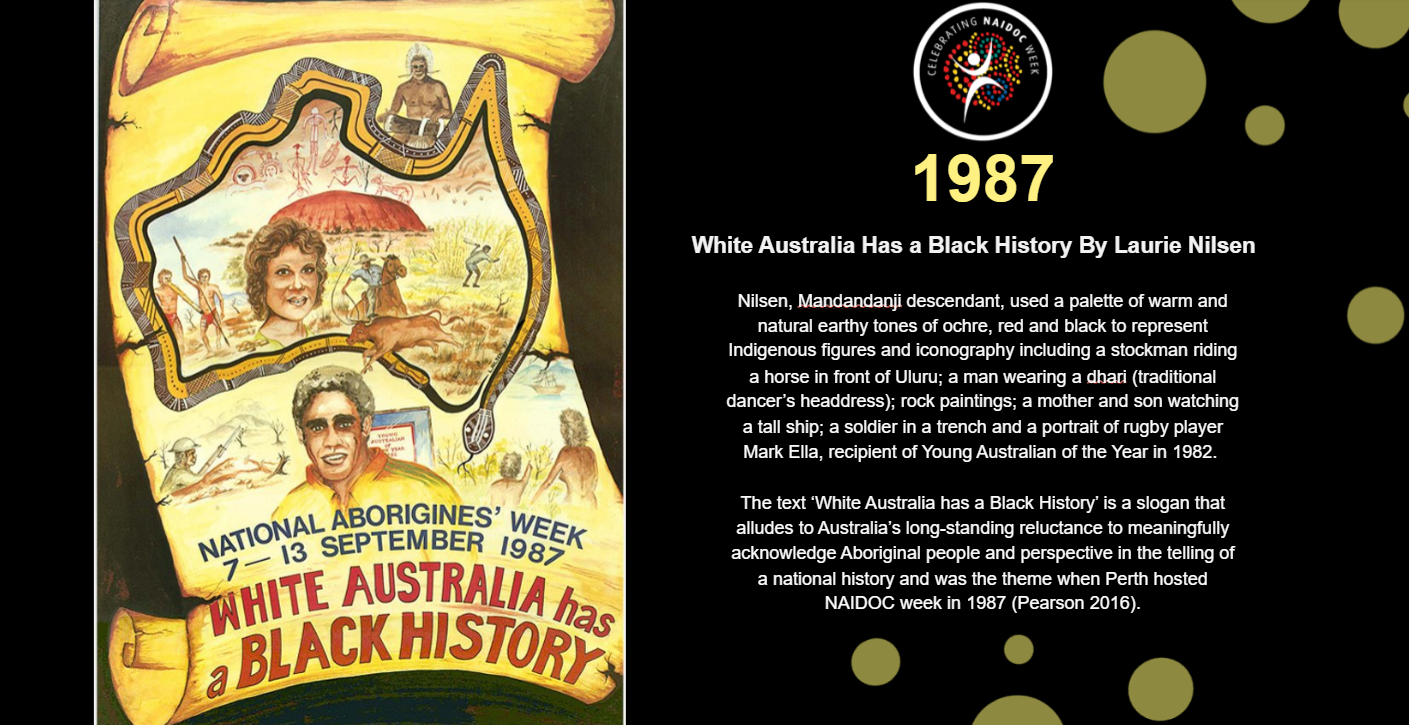
Having said that, tonight is a real opportunity to reflect on our respective roles as RING members and think about what we can do, not only in our own organisations, but in terms of our collective influence and the impact that we can have if we work together as a force for good.
It is essential that we build on our collective power, our solidarity, resilience and strength. We should never underestimate the strength and very real collective power that we hold - as leaders, as advocates and change-makers, as visionaries and stewards and champions of justice and catalysts of change. We must continue to support each other by having brave conversations, by keeping ourselves and our organisations transparent and accountable. Through good governance, sustainable leadership and corporate responsibility, we are drivers of transformation and the type of change that is built on shared foundations of courage, integrity, trust and optimism.
Through leadership, we have enormous potential to play a highly influential role in this country. Through business, we make influential decisions every single day - through employment opportunities, investment, innovation, supply chains, education and so on. Corporate Australia has extraordinary power and leverage - not because it writes legislation or influences government, but because it shapes the world we live in.
We create culture, and when enough organisations come together (like this industry RING) and decide that recognition, inclusion and respect for First Nations people is a priority, we create change. When we decide that these things are not just deliverables that we have identified in our Reconciliation Action Plans, but actually become about 'the way we do business - every day'. That is when and where real change occurs. We change the conversation. We change the industry, which in turn changes the nation.
In fact, collective power is a principle that Indigenous people have understood and practised for thousands of years. We invented it! Our entire culture and survival depended upon community - everyone had to work together by sharing responsibility, by sharing wisdom and knowledge, by caring for everyone and everything - our lore, Country, the environment - the mountains and rivers, our kinship systems, our children, families - men and women, our Elders, the preservation of our languages, songs, stories, art and ceremony.
This country has so much to learn from First Nations people and the past - not just 50 years, but 65,000 years as the world's oldest continuing civilisation. Imagine if we could fully unlock Indigenous entrepreneurship and the enormous potential that we know exists in our communities. What would that look like? Think about it. What would fully unlocking that potential mean for Indigenous tourism, creative industries, science and technology, agriculture, environmental management, cultural knowledge, languages, design, innovation, the arts...
Imagine young Indigenous leaders entering boardrooms, not because someone "gave them a chance" as part of a targeted recruitment strategy in a Reconciliation Action Plan (and please don't hear me say that we don't need these things, because we absolutely do), but imagine what would be possible if we finally recognised and fully untapped the extraordinary talent that has always been there in our communities.
That isn't just good for First Nations people. It's good economics. It's good governance. It's good business. It's good for industry and it's good for this country.
If these first fifty years of NAIDOC have been about recognition, then perhaps the next fifty years must be about our shared success.
But I invite you to imagine an Australia where:
• Every Indigenous child believes opportunity belongs to them.
• Every CEO understands cultural capability as naturally as financial literacy.
• Every board asks, "Who isn't in this conversation, and who should be?"
Where Closing the Gap is no longer an annual report or an embarrassing set of statistics, because the gap has actually been closed, because our people are no longer trapped or incarcerated - because we are finally liberated and free to take up our rightful place in society. Not a few of us, not some of us, but all of us! Imagine that being normal.
So this is the invitation that we all currently face at this point in time, and it is about leadership. It's about collective responsibility and creating environments that create better possibilities and better futures.
We don't have to wait for governments to change or everyone to reach consensus in another referendum. That will probably never happen. But we can act now. We can act out of responsibility, curiosity and courage. We can initiate conversations. We can ask questions and look for solutions.
• If you're a CEO - be responsible, be curious.
• If you're a manager - be courageous, initiate conversations.
• If you're an employee - ask questions, find solutions. Get involved.
• If you're a customer - support Indigenous businesses. Build local partnerships.
Reconciliation is about all of us, much like NAIDOC. It's a celebration of who we are, where we have come from, and more importantly, where we boldly want to go in the future.
So tonight, as you mingle and network with each other at this amazing venue with this breathtaking view, I invite you to think about NAIDOC, and reconciliation, and what all of this means for our industry and what is truly possible if we really work together in this space. Because strength is not found in standing alone. It is found in standing together, in unity.
The future of our industry and First Nations people depends upon our collective willingness to demand more and write our history - for the next fifty years - for NAIDOC, for reconciliation, for you, for me, for us, for this country - for the next 50, 100, 200, 1,000 or 65,000 years. And who knows what Earth will look like then. Even though it is only a short period in the Earth's actual history, since our Earth is about 4.5 billion years old. It's all relative, right!
But bringing it back to today in 2026 - what can we do? Well, we can do many things, and we can do many great things, especially if we do them together. We have the collective wisdom and power in our hands. Let's use it bravely and wisely, proudly and passionately, to create a vision that will ignite and inspire generations for many years to come.
So, with that, I invite you to engage with your fellow colleagues and continue this conversation. Have a fantastic and safe evening! Happy NAIDOC Week.



