


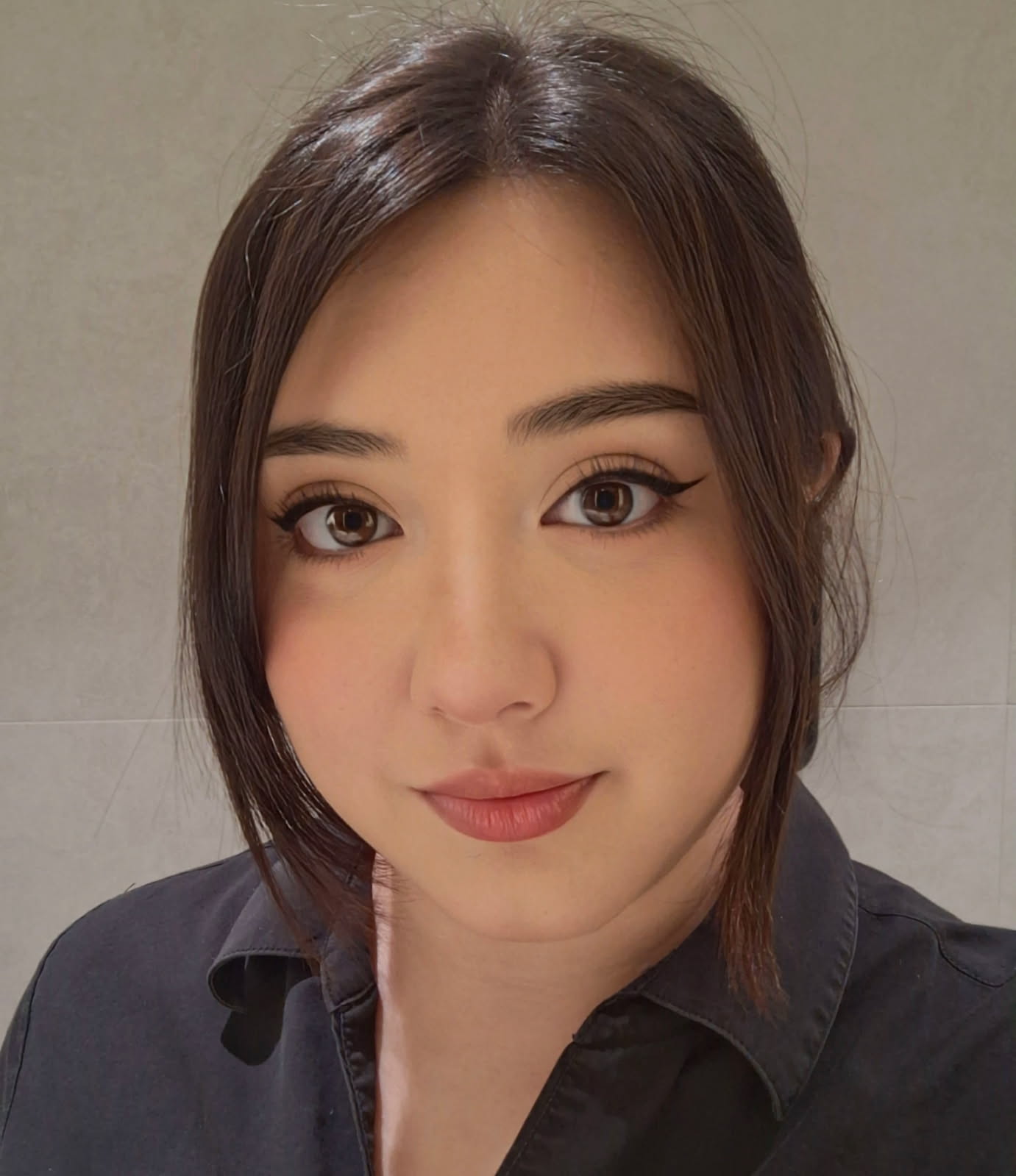

Narungga artist and PhD candidate Brad Darkson has been awarded the prestigious 2025 John Mulvaney Fellowship, supporting vital research into First Nations approaches to Sea Country management.
The John Mulvaney Fellowship, awarded annually by the Australian Academy of the Humanities, supports a high-achieving Aboriginal and Torres Strait Islander early career researcher/PhD student, providing $4,000 for international travel to undertake research.
This year's recipient is Brad Darkson, a Narungga visual artist, PhD candidate and researcher with ancestral ties across South Australia and Western Australia (Narungga / Point Pearce, Ngarrindjeri / Raukkan, Barngala / Poonindie, and Nyungar / Annesfield). Across all art, business and research practices, the heart of his work remains the same - his environmental advocacy and his connection to Country.
"First Nations communities should be at the forefront of environmental management and my research output will contribute to empowering Indigenous people to be leaders in this important work," Mr Darkson said.
The fellowship marks a significant step forward in Mr Darkson's commitment to Indigenous cultural revival and environmental advocacy. It will provide a vital network of support in his research, facilitating collaborations with First Nations knowledge holders across Australia, Aotearoa (New Zealand), Canada and the US to research traditional approaches to coastal waterways management.
The fellowship program builds on Mr Darkson's experience bridging ecological research and traditional knowledge. In 2019, Mr Darkson and his wife, marine biologist Dr Chloe Darkson, launched seaweed enterprise, Moonrise Seaweed Co., on the South Australian coast. The organisation utilised seaweed for ecological regeneration, with a focus on First Nations food sovereignty and caring for Sea-Country.
"I also believe that as Traditional Owners we have a cultural obligation to care for Country, and I see my research as part of fulfilling that obligation," Mr Darkson said.
.png)
It was Moonrise Seaweed Co. that inspired Mr Darkson to undertake a PhD at Flinders University, investigating modern ways of caring for Sea Country and how Traditional Knowledge can inform Western environmental management practices, specifically through the use of seaweed in coastal ecosystems.
Mr Darkson will present his research in a landmark interdisciplinary art exhibition, representing an intersection of his research and his extensive background in the arts.
"Art is an excellent way to communicate science and philosophy," said Mr Darkson.
As a multidisciplinary artist, Mr Darkson's work explores connections between contemporary and traditional cultural practice, language and lore. His works have been exhibited across the nation, including the Sydney Opera House, the Australian War Memorial, Casula Powerhouse Art Centre, and the University of Sunshine Coast Art Gallery.
Australian Academy of the Humanities President, Professor Stephen Garton, commended Mr Darkson's work: "As a graduate of the Fine Arts, Brad's groundbreaking research in seaweed management will ensure his next artistic exhibition will carry key learnings from international traditional practices."
Professor Garton also recognised other outstanding Fellowship applicants: "The exceptional calibre of this year's John Mulvaney Fellowship applicants demonstrates the remarkable talent and innovation of Indigenous researchers working across the humanities."
The judging committee also awarded a "High Commendation" to Jaru Kitja Yawuru woman, Dr Jacinta Walsh. Dr Walsh's research focuses on the collection, access and governance of Indigenous records in remote areas of Western Australia, documents critical to families tracing their ancestry and to Australia's shared history.
The work of Mr Darkson and Dr Walsh continues to spotlight Indigenous knowledge and stands as a testament to First Nations excellence and leadership in the humanities.



