




Indigenous people across Victoria have welcomed the state government's historic apology to First Peoples for the harms caused by the "actions and inactions of the state" and "the colony that came before it," calling it an emotional and long-awaited day.
Delivered during a special sitting of Parliament on Tuesday, the apology was negotiated as part of Victoria's leading treaty process. Addressing First Peoples in the visitors' gallery and an overflow viewing hall, Premier Jacinta Allan said Parliament had long denied Aboriginal Victorians their rights and self-determination.
"Colonisation of what is now called Victoria was not peaceful," she said. "It was rapid and violent. Lands and waters were taken without consent. Communities were displaced, languages silenced, children removed, lives lost.
"Today, this Parliament becomes a place of reckoning, and that reckoning has meaning for all of us who call Victoria home. We acknowledge the harm inflicted on generations of First Peoples — and mark the beginning of a new era, one that embraces truth, honours justice, and creates space for a shared future built in full view of the past."
Minister for First Peoples Natalie Hutchins urged Victorians to read the Yoorrook Justice Commission's final report, calling it a "powerful record" of the state's history from the perspective of Aboriginal communities. She noted a "once thriving population" reduced by more than 90 per cent in the 19th Century, with people forced onto missions and "denied their basic human rights".
"This apology today is a line in the sand," she said.
A long-awaited moment
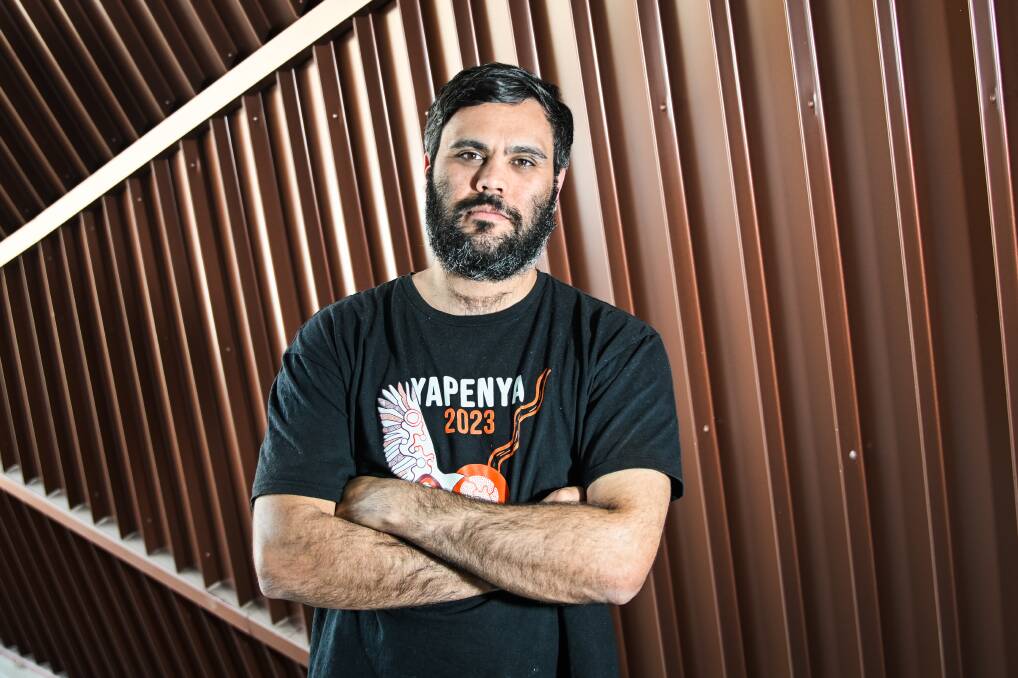
Speaking after the apology, Dja Dja Wurrung reserved seat holder in the First Peoples' Assembly, Djaran Murray-Jackson, said hearing the Premier's words was a "special moment".
"It's another moment that I'll remember for the rest of my life, and just to hear an apology from a head of state, and the ones that followed were pretty good," he told National Indigenous Times.
"The Minister and the Premier did a great job of mentioning the past policies and legislation [that] really disrupted our lives and our culture — like the Aborigines Protection Act and the Soldier Settlement scheme; my grandfather missed out on that.
"So to really hear an apology from the head of state and a minister about those things that actually affected some of my family's lives, it really meant something to me. It was a special, special moment."
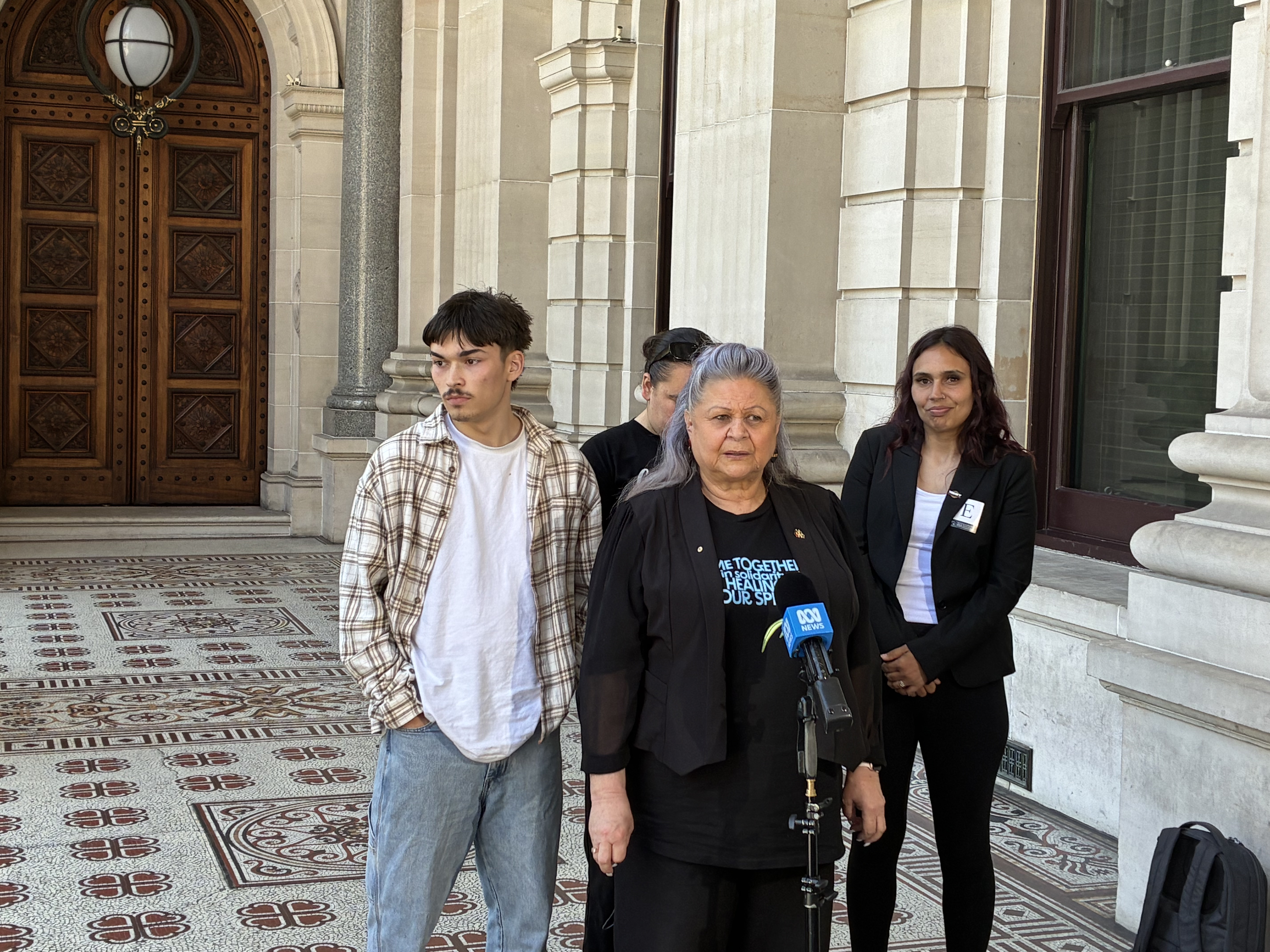
For former Victorian treaty commissioner and Gunditjmara Elder Jill Gallagher — whose 99-year-old mother was born into a nation which did not recognise her and had six of her 10 children taken — the apology was rooted in long, painful history and did not "come out of nowhere".
"It came from decades — centuries — of our people fighting to have the truth recognised," she said, calling the apology a "testament to the resilience of Community, and to the power of truth-telling when it is honoured, not feared".
But she stressed symbolism must be followed by action.
"Words matter, but actions matter more," Ms Gallagher said. "We expect the Victorian Government to follow today with real investment, real reform, and real accountability so our people can live strong, healthy, and self-determined lives."
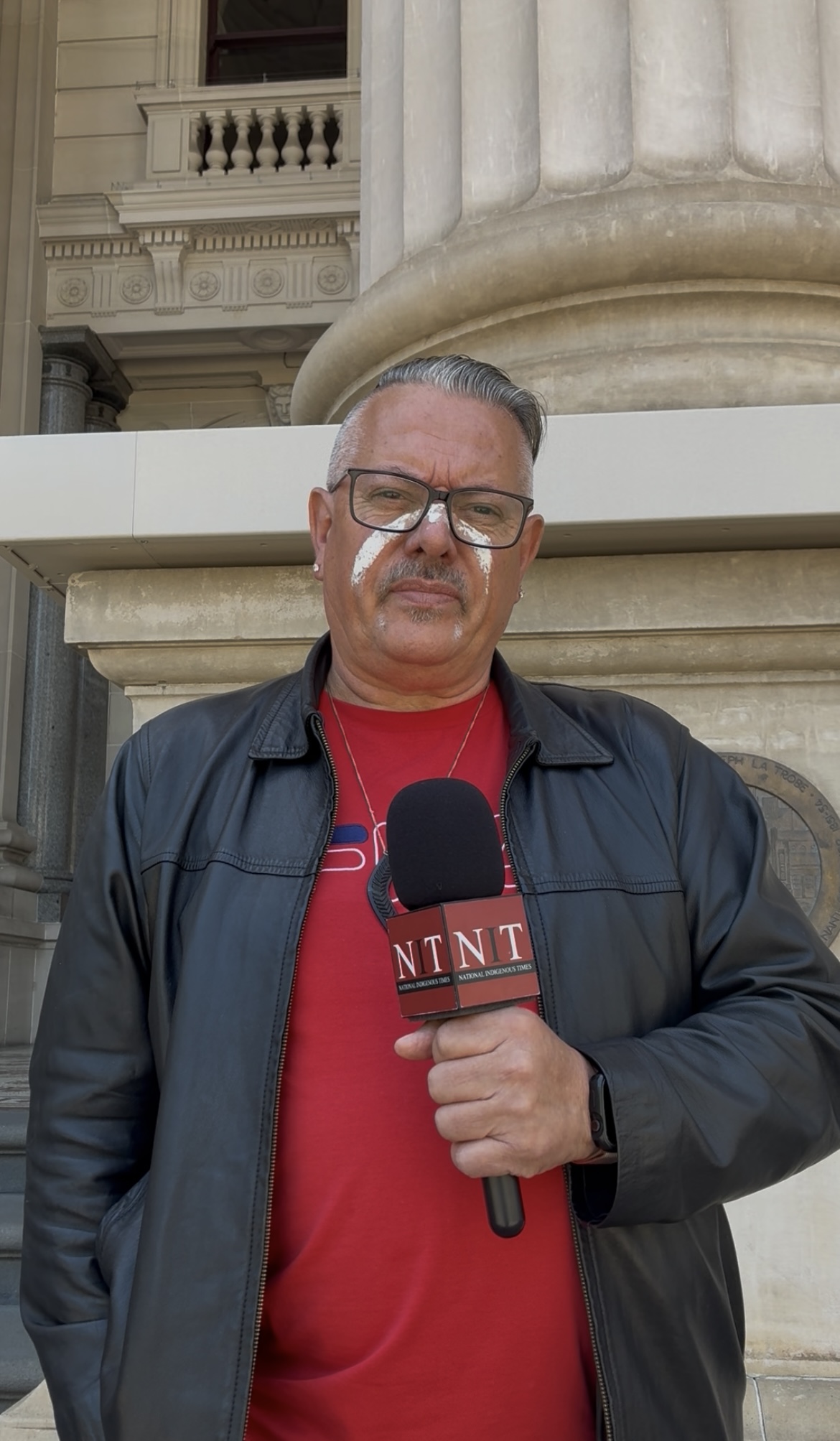
Kerrupmara/Gunditjmara man Travis Lovett, a former Yoorrook commissioner, told National Indigenous Times the apology was emotional.
"I keep thinking of the Elders, I keep thinking of the ancestors that we lost," he said.
"This is an important step for our people. Because it legitimises and solidifies that our people have told the truth over the last 191 years about the continual, ongoing harm of government policy and government failures on our people."
Victoria has delivered major apologies before — including former premier Jeff Kennett's apology to the Stolen Generations in 1997 and Ms Allan's private apology to Victoria's Stolen Generation last year.
For Dja Dja Wurrung man Rodney Carter, whose late mother Aunty Fay Carter OAM was born on a hospital porch because Aboriginal women were barred from the maternity ward, this apology stands apart.
"This is not just the newest apology," Mr Carter told National Indigenous Times. "I think it's the most personal, intimate, measured description of the treatment of us as First Peoples nations of Victoria. It's an amazing day."
Open hand still extended to the Opposition
Following the apology, many expressed disappointment with the Opposition's decision not to support the motion. In Parliament, Opposition Leader Jess Wilson explained the Coalition's stance, drawing groans and calls of "shame" from the Labor benches and noticeable discomfort on the faces of those watching in the public gallery.
Ms Wilson said the Coalition would work towards improved outcomes for Aboriginal Victorians but described a "difference in approach between the Coalition and the government," framing it as a "policy disagreement on the most effective method to achieve meaningful outcomes and improvements for Indigenous Victorians".
Mr Murray-Jackson called the decision "disappointing".
"Their conduct, the way they acted, and to vote 'no' against a pretty significant apology," he said. "It was pretty disappointing from my point of view."
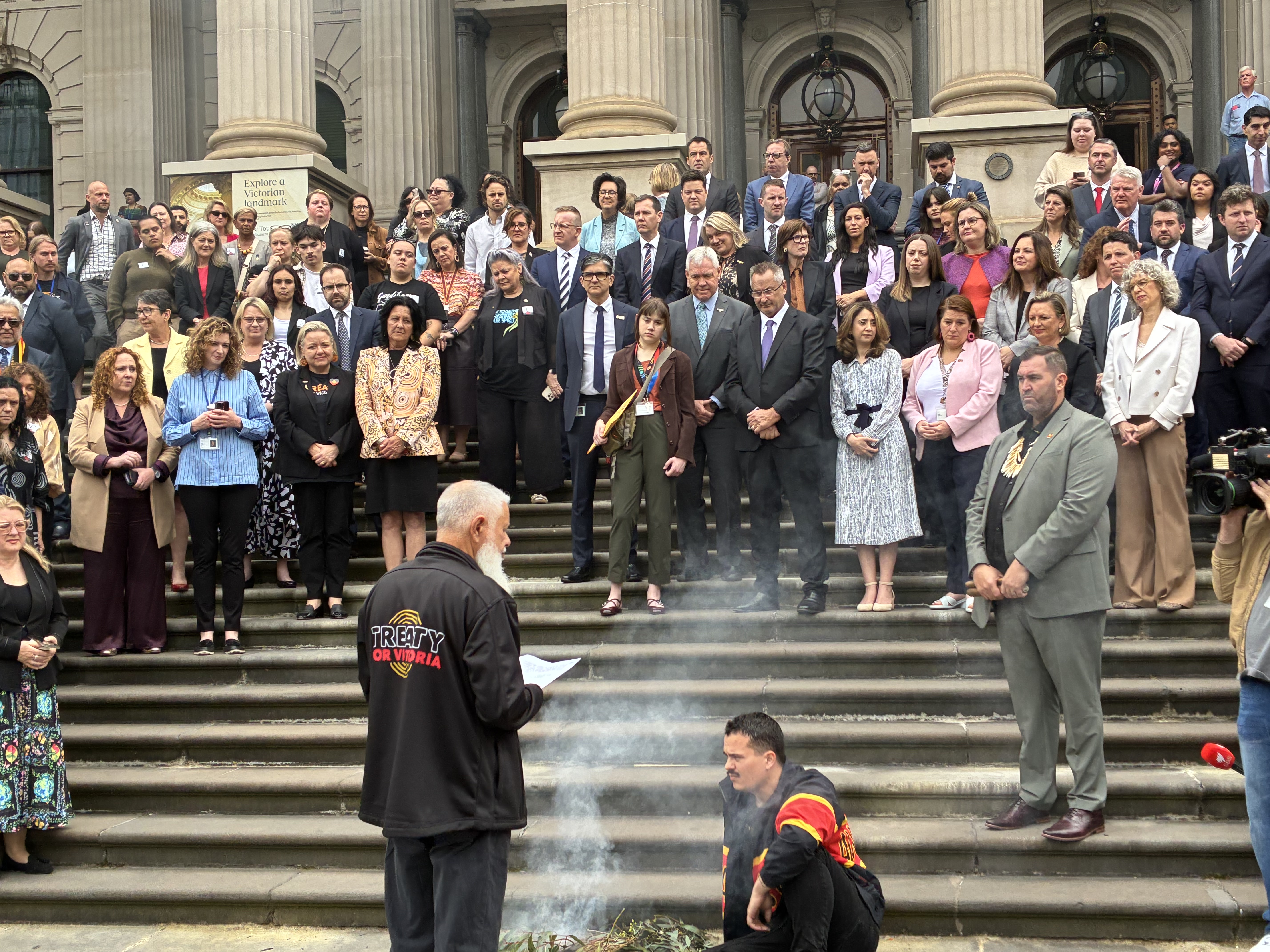
Earlier in the day, more than 300 people gathered on the steps of Parliament for a smoking ceremony and Welcome to Country by Wurundjeri and Woi-wurrung Elder Uncle Andrew Gardiner. During his speech, he acknowledged the fact Ms Wilson and Nationals leader Danny O'Brien attended the ceremony despite their political position.
Although they do not support Treaty now, Mr Gardner said, they may one day.
"At least you're out here," he said.
Mr Gardiner told National Indigenous Times First Peoples "still hold out the torch to have the interest and support of the Victorian Liberals and Nationals".
Nonetheless, he warned: "If the state government get re-elected next year, that'd be great, because there'd be continuity, for sure, for Treaty. If that's not to happen, then Treaty's at risk."



