




The proposed Treaty bodies "sound good on paper" but must address the daily realities facing First Nations people, Senator Lidia Thorpe says, as Traditional Owners continue to celebrate Victoria's historic legislation.
On Tuesday, the state government and the First Peoples' Assembly of Victoria — the state's democratically elected Indigenous body — unveiled details of the Treaty Bill, which is expected to pass Parliament despite opposition from the Coalition. Traditional Owners described the announcement as a proud and historic moment, calling it a practical mechanism that will allow First Peoples to make decisions about their own lives.
In a statement, Senator Thorpe, a Gunnai, Gunditjmara and Djab Wurrung woman, congratulated the Assembly on the "historic milestone," stressing that "it's important we're getting this right".
"This includes getting free, prior and informed consent from all Clans and Nations. But we're not there yet," she said.
"This Bill and the Treaty will be measured by what it will do for our people, and whether it can correct the wrongs committed, and address the ongoing harm being perpetrated against First Peoples."
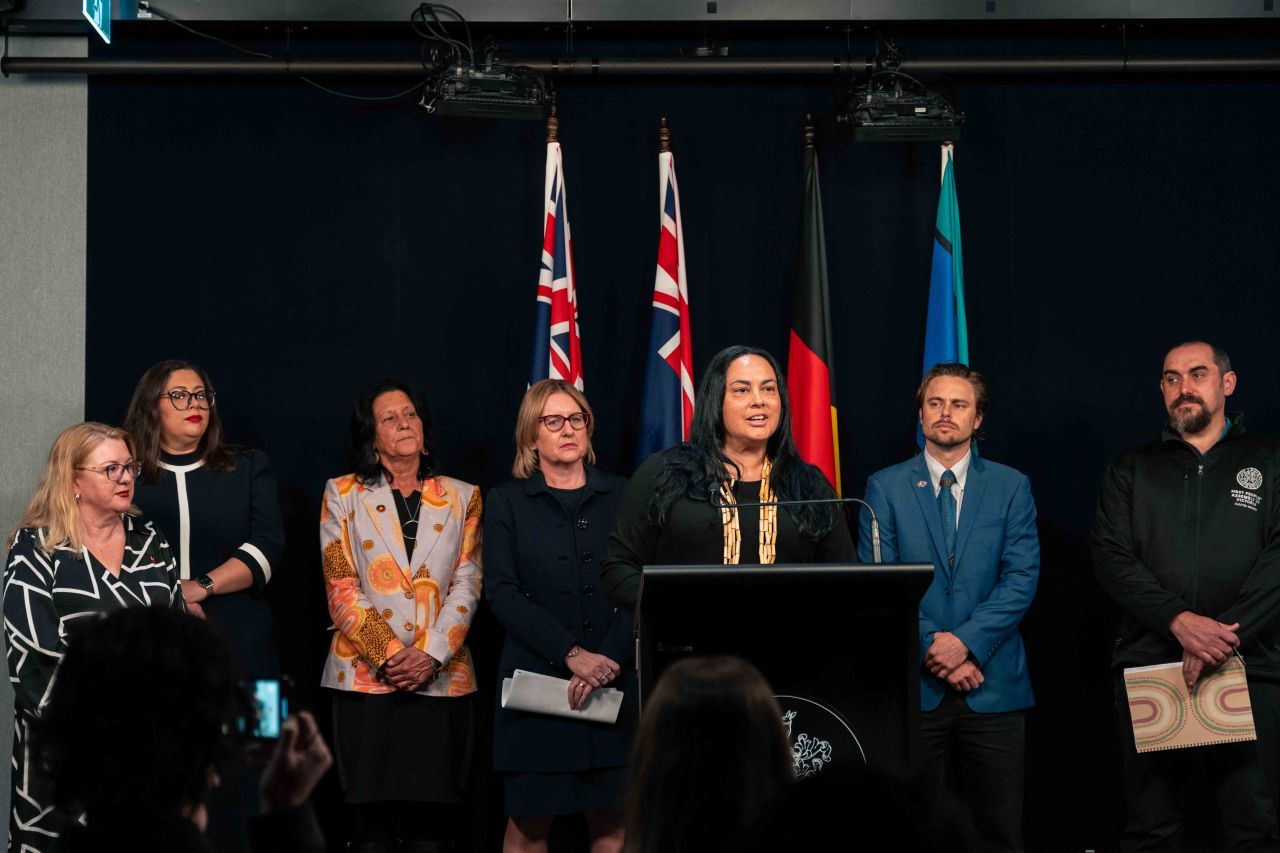
A 34-page report released on Tuesday outlined key reforms, including embedding Indigenous Truth-telling in the Victorian school curriculum from prep to Year 10, delivering a formal apology to First Peoples, and expanding the use of traditional names for parks and waterways.
Assembly co-chair Ngarra Murray said the announcement marked the start of a "new era".
"We are at a turning point in this nation's history," she told reporters.
"Treaty offers us the chance to reshape the story of this country. So today is a historic day. Victoria has been on the journey to treaty for nearly a decade, but treaty is the culmination of many decades of activism and work."
The framework also permanently establishes the First Peoples' Assembly under a new statutory corporation, Gellung Warl — meaning "tip of the spear" or "pointed spear" in Gunaikurnai.
Gellung Warl will house a Truth-telling body, Nyerna Yoorrook Telkuna ("sitting and listening" in Wamba Wemba), and an accountability body, Nginma Ngainga Wara ("you will do" in Wadi Wadi), which will hold the state accountable for progress on Closing the Gap targets in health, education and economic outcomes.
View this post on Instagram
Senator Thorpe said she was "particularly interested" in Nginma Ngainga Wara, arguing independent monitoring of government performance is vital. She pointed to the recommendations of the Yoorrook Justice and Bringing Them Home reports, as well as the Royal Commission into Aboriginal Deaths in Custody, as areas requiring urgent implementation and argued that "monitoring is not enough".
"These new bodies need to have teeth so we can finally see action in those areas where intentional government inaction has cost our people's lives. I look forward to learning more about the actual powers of Gellung Warl, and how they interact with the established colonial government system," she said.
"The proposed bodies to be established through the Treaty Bill sound good on paper, but we are yet to see how they will address our daily realities: our children being taken away, our people being jailed and dying in custody, so many of our people dying too young or taking their lives.
"Unless Treaty addresses the ongoing Genocide on our people, it will have failed."
Victorian Aboriginal Legal Service chief executive and member of the Assembly, Nerita Waight, told ABC News Breakfast on Wednesday Nginma Ngainga Wara would ensure government programs delivered practical results.
"What makes this meaningful, what makes it different is that government will have to be accountable for its failures, for its errors in judgement, but that will result in things that will work on the ground," she said.
"It's not just saying, 'This is not working, let's leave it here.' It's, 'What isn't working? What will work? Let's do that.'"
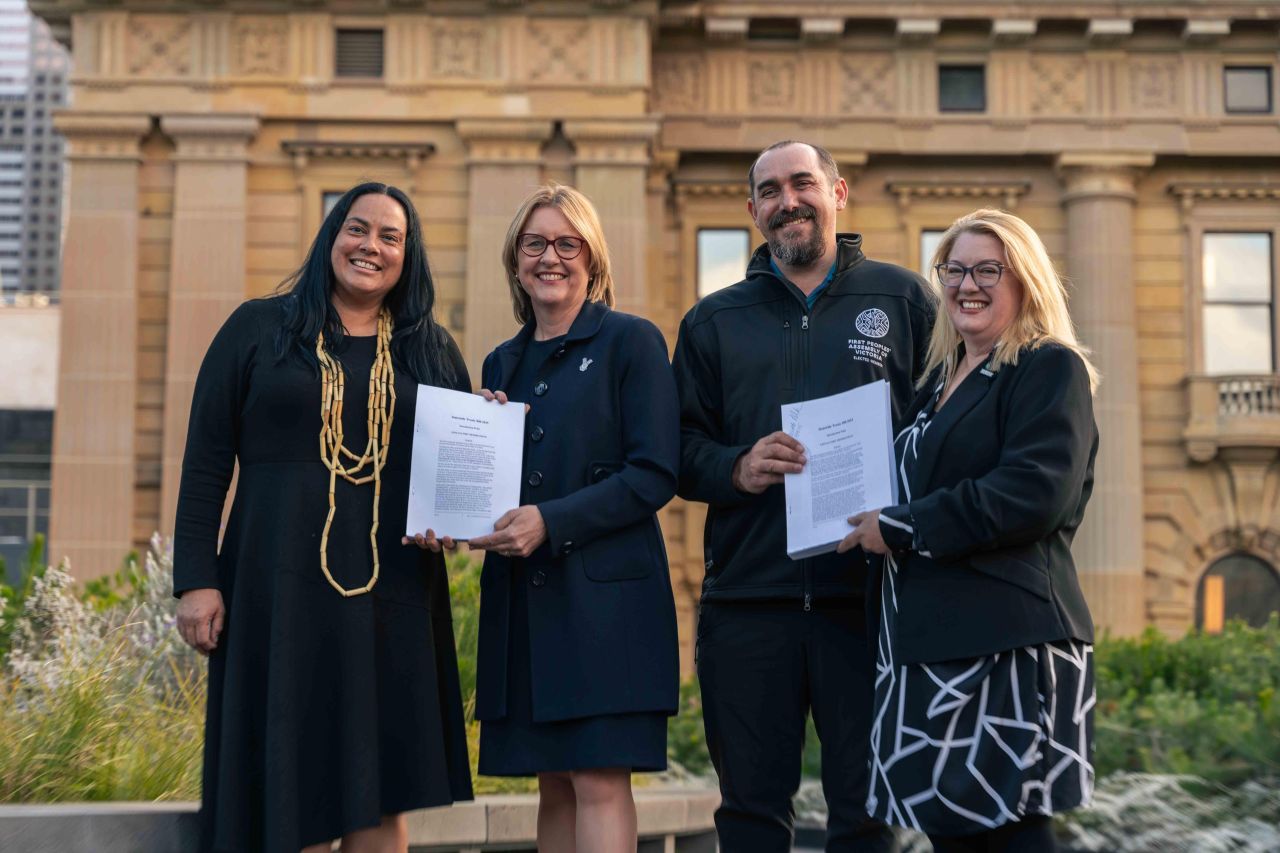
Asked about accountability — given the Assembly will not be able to veto legislation — Premier Jacinta Allan said on Tuesday the new framework would ensure better outcomes.
"Treaty embeds that self-determined approach across all parts of government; it requires it by law," she told reporters.
"Government agencies and departments will be held accountable for things that they commit to; there will be reporting requirements.
"But, let's see this a little less as a heavy-handed approach, and more about a partnership approach.
"Yes, there is that accountability mechanism, but what sits under that accountability mechanism are the layers of partnership; the partnership with Gellung Warl, the partnerships with First Peoples, the partnerships with the organisations... both Aboriginal and non-Aboriginal."



