



Army personnel learnt Indigenous weapon making and Ngunnawal cultural practice during Exercise Greenskin in Canberra late last month.
The four-day activity brought soldiers from across the ACT together with Ngunnawal Elders and community members for cultural learning, practical skills and military history.
Participants learnt how to identify suitable trees for making clubs, spears, axes and coolamons.
They also took part in cultural tours and an Indigenous military history tour at the Australian War Memorial.
The activity was delivered in partnership with Ngunnawal Elders and community members, who shared local cultural knowledge, history and traditions.
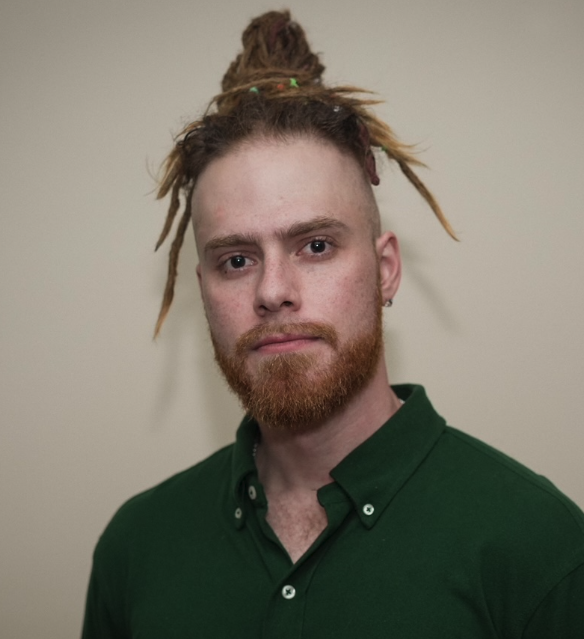
Palawa man from Tasmania and participant, Sergeant Scott Trenham, said seeing non-Indigenous soldiers take part in cultural learning was a key part of the activity.
"I have a strong link to culture being Indigenous myself, but seeing non-Indigenous Australians and service members learn how to do this sort of stuff is the highlight," Sergeant Trenham said.
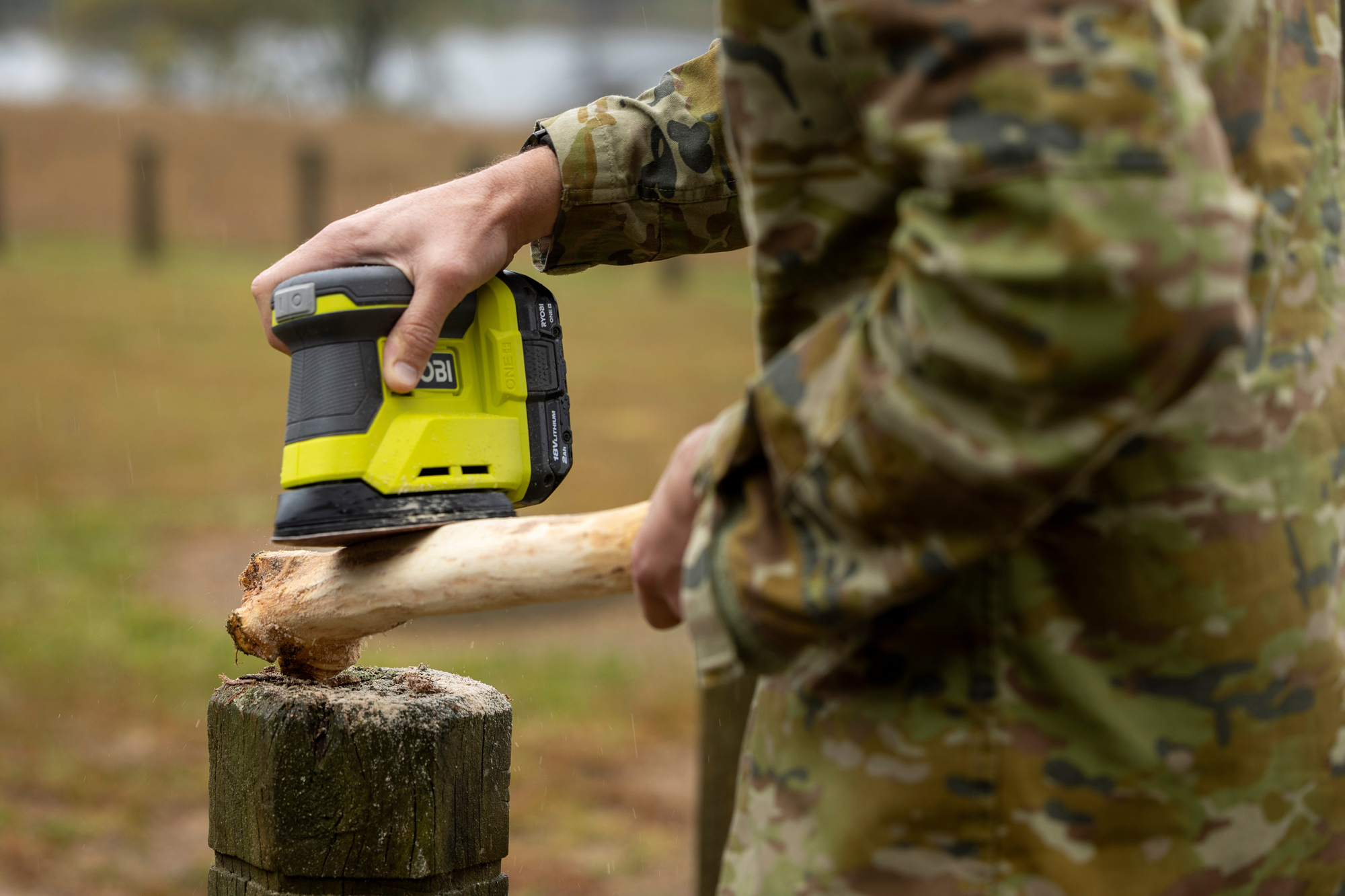
Officer in charge, Major Samuel White, said Exercise Greenskin was designed to connect Army personnel with Indigenous military history through practical learning and community engagement.
"What we're trying to do here is, in a culturally cleared way, help soldiers better understand the Aboriginal history of their unit," Major White said.
The exercise aimed to recognise warfighting culture which has existed on the continent for 60,000 years.
It focused on senior enlisted leaders, including sergeants major and sergeants, who were described as custodians of culture within their units.
Major White said soldiers and officers may eventually be authorised to carry culturally cleared Indigenous weapons for ceremonial purposes.
The weapons would be recognised through qualifications and reflect the traditions and history of the areas where Army units operate.
"When you walk into every CO's [commanding officer] office, there should be something like this from the area," Major White said.
Participants also explored the history of Aboriginal and Torres Strait Islander military service and the challenges Indigenous Australians faced while serving in the Army.
Exercise Greenskin was the fourth activity of its kind.
About 60 personnel have taken part in activities held around Australia, including Arnhem Land and the Torres Strait.
"We're grateful for the Ngunnawal people's custodianship and for teaching us what it is to be a soldier," Major White said.



