




Recently showcased at the Western Australian Museum, the Six Seasons Gathering is an artistic project which intricately connects WA's natural environment with First Nations cultural practices.
Led by artist Sandy McKendrick, the project brought together First Nations artists Irma Woods, Geri Hayden, Sasha Ogilvie, Narelle Ogilvie, Tigerlily Ryan and Turid Calgaret.
The collaboration beautifully illustrates the cycles of nature, fostering education and a deeper understanding of Indigenous culture.
Rooted in Noongar seasonal knowledge, the project creates powerful connections between the past and present.
Ms Calgaret shared her personal insights on the process.
"I was one of the artists that came on board for the Six Seasons Project. I did two seasons, Makuru and Bunuru," she said.
Ms Calgaret, who has connections to Miroong Gajarong country, said she collaborated with Sandy McKendrick to create ephemeral artworks for the exhibition.
Reflecting on her work on Makaru, she said the process was physically demanding yet creatively fulfilling.
"It was quite hands-on and quite laborious. After we'd finished the Makaru one, which was during the dead of winter, I was laid up for a few weeks because it flared up my arthritis," said Ms Calgaret.
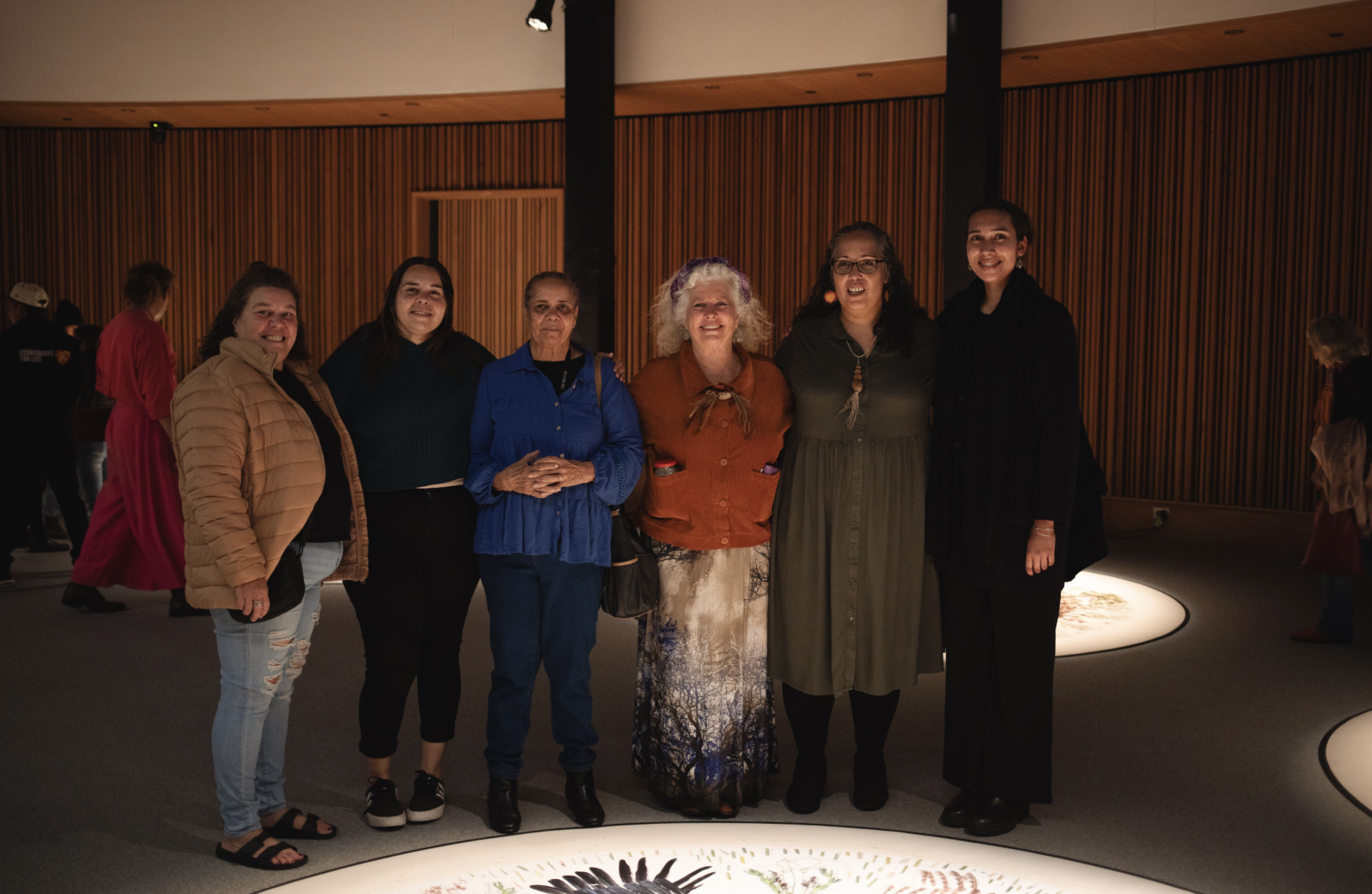
Despite facing challenges, Ms Calgaret said the artistic process was deeply significant, involving trips to the bush to collect nuts, seeds, and other natural materials.
She emphasised the project's educational impact as the mats offer an opportunity for people to identify flora, fauna, and resources traditionally used by First Nations communities.
"Most definitely, it's both an educational and cultural resource," she said.
"The kids, or anyone, can point out something on the mat because they're high-resolution images. The detail is amazing."
Ms Calgaret also praised the collaborative experience of working with other artists, as working alongside Ms McKendrick and other contributors allowed her to delve deeper into First Nations cultural practices
"It was amazing. I learned so much just from this project," she said.
"It's something I'd love to work on again; it was something heartfelt by myself and the group."
Ms McKendrick, the driving force behind the Six Seasons Gathering, shared similar sentiments.
With a background in puppetry, performance and environmental art, she saw the project as a beautiful opportunity to collaborate with friends and fellow artists.
"We explored the natural cartography of the Wallylup Fremantle area, collecting plants, flowers, seeds, and even animal remains," Ms McKendrick said.
Although rich, the creative process presented challenges due to shifting weather patterns.
"The bottlebrush, which was key to one of the mats, had a much shorter blooming season than expected due to extreme weather," Ms McKendrick said.
"It's a reminder of how climate change is affecting these natural cycles."
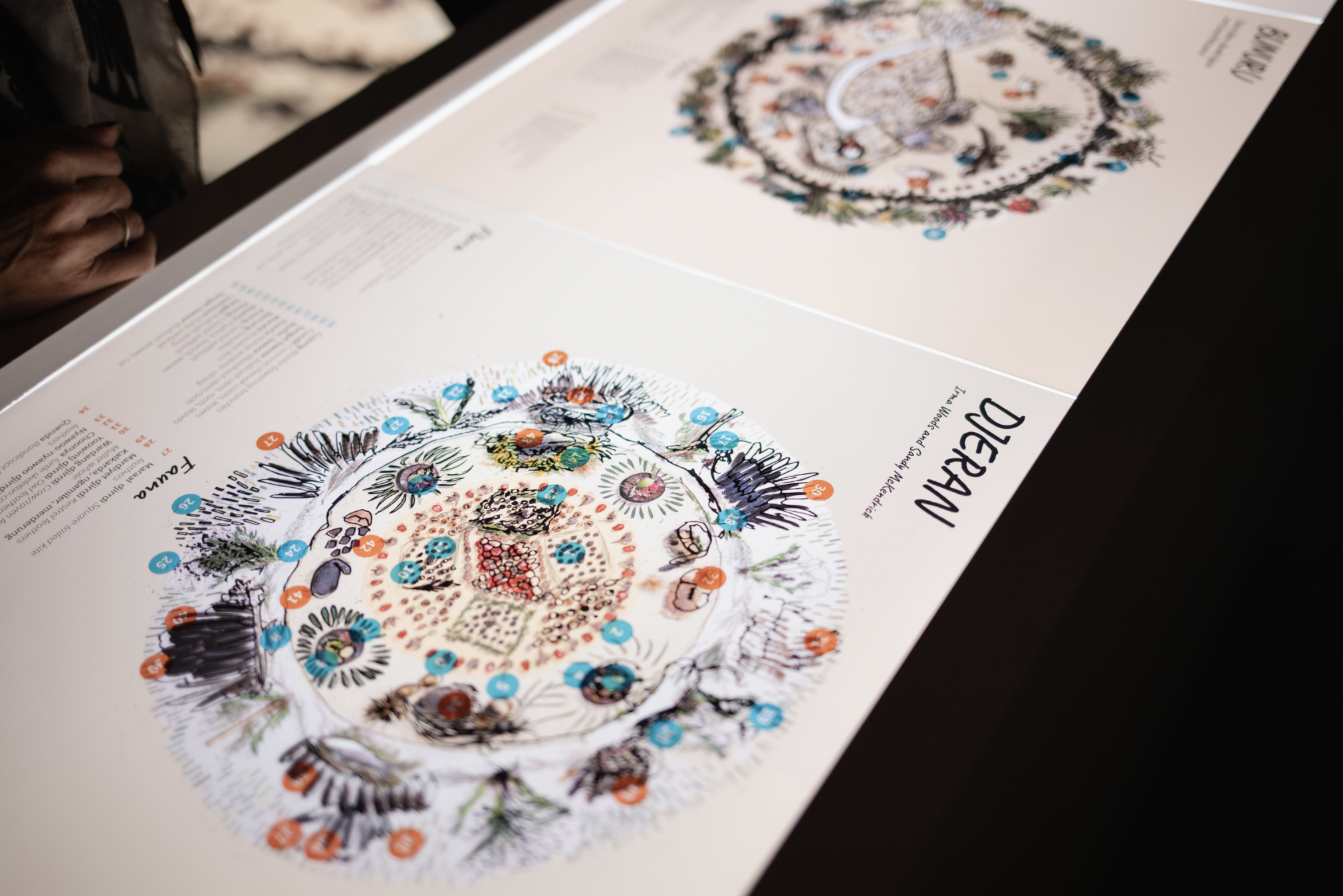
The mats help identify traditional First Nations flora, fauna, and resources. (Image: Emma Daisy)
Each season's mat reflects this careful collaboration, with artists including Ms Calgaret, Ms Ryan, Ms Woods, Ms Hayden, Ms McKendrick, and Ms Ogilvies contributing.
Ms McKendrick described the collaboration as a project of trust.
"We didn't know what the final product would look like because it depended so much on what we could gather from the land," she said.
The resulting works are more than art pieces—they are visual representations of the cultural resources that sustained First Nations communities for generations.
The mats have a striking three-dimensional effect, thanks to photographers Marnie Richards and Rebecca Mansell, whose expertise brought the materials to life.
Both Ms Calgaret and Ms McKendrick hope the Six Seasons Gathering inspires others across Australia to engage with their local environments.
Ms McKendrick envisions "children working with elders to create smaller, localised installations," preserving Indigenous language and knowledge through artistic expression.
Ms Calgaret's involvement in the project reflects a deep connection to cultural heritage, while Ms McKendrick's leadership highlights the potential for environmental art to raise awareness of both cultural and environmental challenges.
Together, they have created a body of work that informs, educates, and inspires future generations to appreciate the rich traditions of the land.



