



Visitors and tourists to Victoria's south west have been sampling traditional Gunditjmara cuisine in their droves at one of the state's newest First Nations-owned and operated cultural attractions, which has experienced a popularity boom in its first six months.
Set on the shores of Tae Rak (Lake Condah) and doubling as the departure point for Budj Bim Cultural Landscape's Indigenous cultural tours, the Tae Rak Aquaculture Centre offers visitors the opportunity to experience an authentic taste of Gunditjmara culture.
The Centre's kooyang (eel) holding tank and processing facility brings to life ancient kooyang harvesting techniques developed and practised by Gunditjmara people for hundreds of generations, whilst the on-site Bush Tucker cafe offers guests a variety of meals featuring local and sustainably produced seasonal ingredients.
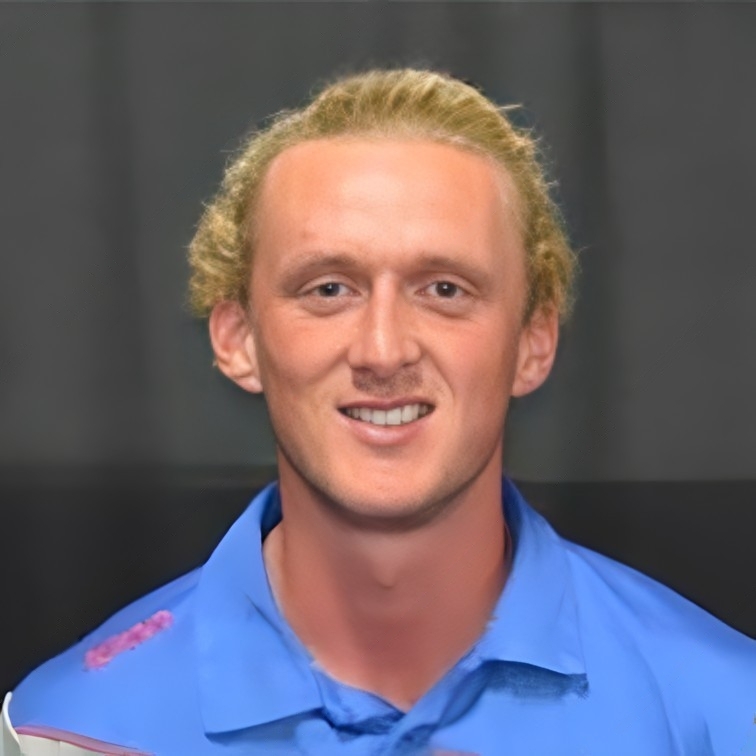
Tour guide coordinator Braydon Saunders said the public interest in the first six months of the aquaculture centre's operation has been overwhelmingly positive.
"One of the most eye opening things has been how many people are keen to come out to ask a question," he said.
"Even if it's not even on a tour, even if it's just sitting in the cafe and learning things about the food that's been put in front of them."
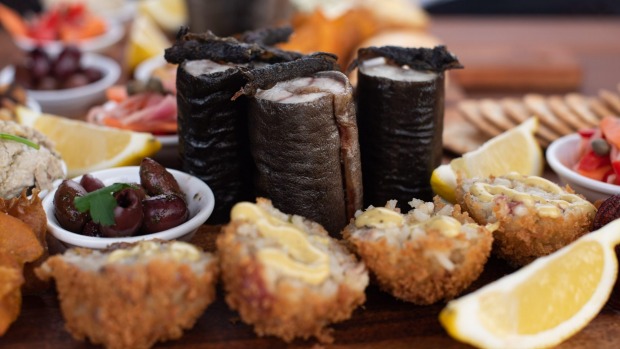
Prepared by Gunditjmara chef's Ricky North and Corinne Stewart, the menu includes Kooyong tasting plates prepared using traditional Aboriginal techniques and flavours.
Mr Saunders said the way the cafe offers its smoked kooyang dishes is similar to how Gunditjmara people would have consumed kooyang many thousands of years ago.
"So the ancient way is not very dissimilar to today's way", Mr Saunders said.
"Smoking the eel is important because one, it preserves the meat longer which is important traditionally.
"And the thing that hasn't changed since back then is it tastes better smoked."
Local native ingredients are also used to season the kooyang dishes, providing much variety in the cafe's menu.
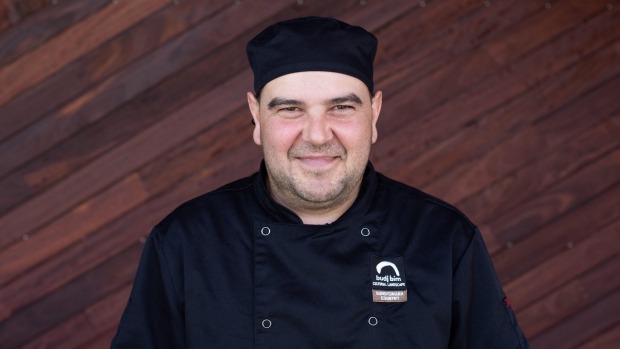
"The aniseed and lemon myrtle bush seasoning that Ricky infuses into not just one meal, but all meals gives that infusion of native bush foods and bush spices," Mr Saunders said.
"And so you get a different spin on it no matter what you try."
Mr Saunders said the cafe was originally opened to compliment the tourism side of the business, however the popularity of the traditional food on the menu has at times had the opposite effect.
"When we started we were leaning more the opposite direction, that we wanted people to get intrigued by the story and then maybe sit down and have a feed," Mr Saunders said.
"But what Ricky and Cory have been putting on a plate has been intriguing enough for people to get out and then find out more about it."
The Centre was built to strengthen and maintain the connection that Gunditjmara peoples have to the traditional practice of kooyang farming and smoking.
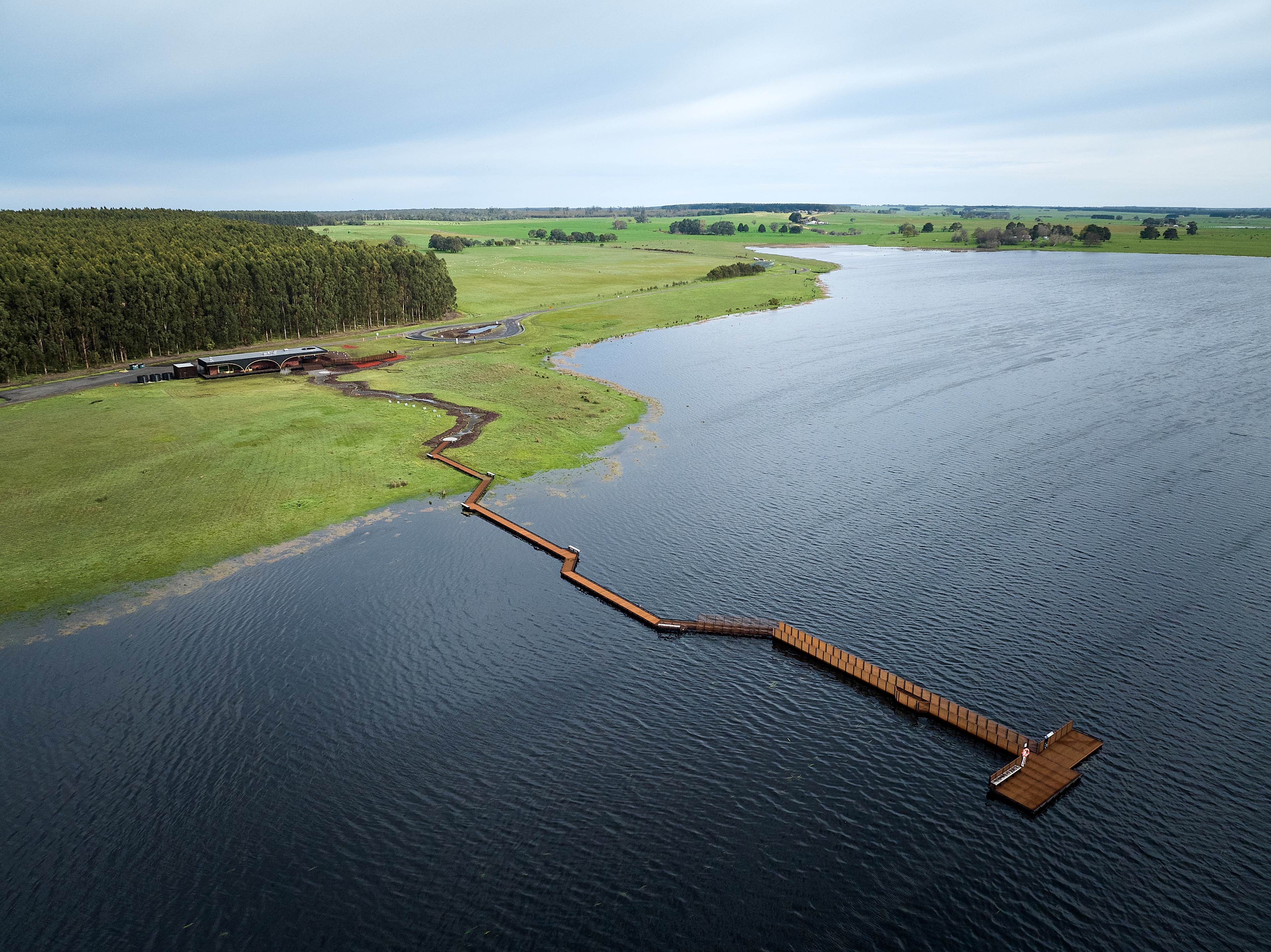
In combination with Budj Bim Cultural Landscape, the precinct provides opportunities for Gunditjmara people to sustainably work on Country in alignment with cultural values.
Mr Saunders said the employment opportunities created at both Budj Bim Cultural Landscape and the Bushtucker Cafe has brought previously disconnected families together for a common cause, with employees possessing a strong sense of pride in working for an Aboriginal business enterprise on Country.
"It is very special," he said.
"I've grown up always understanding Gunditjmara families as not coexisting as well as they could have.
"But I really feel that everyone agrees that the cafe, the jobs that everyone's doing out here and the work that everyone's putting into it, is bringing more families together and involving us in the same conversation of being proud of one area."



