



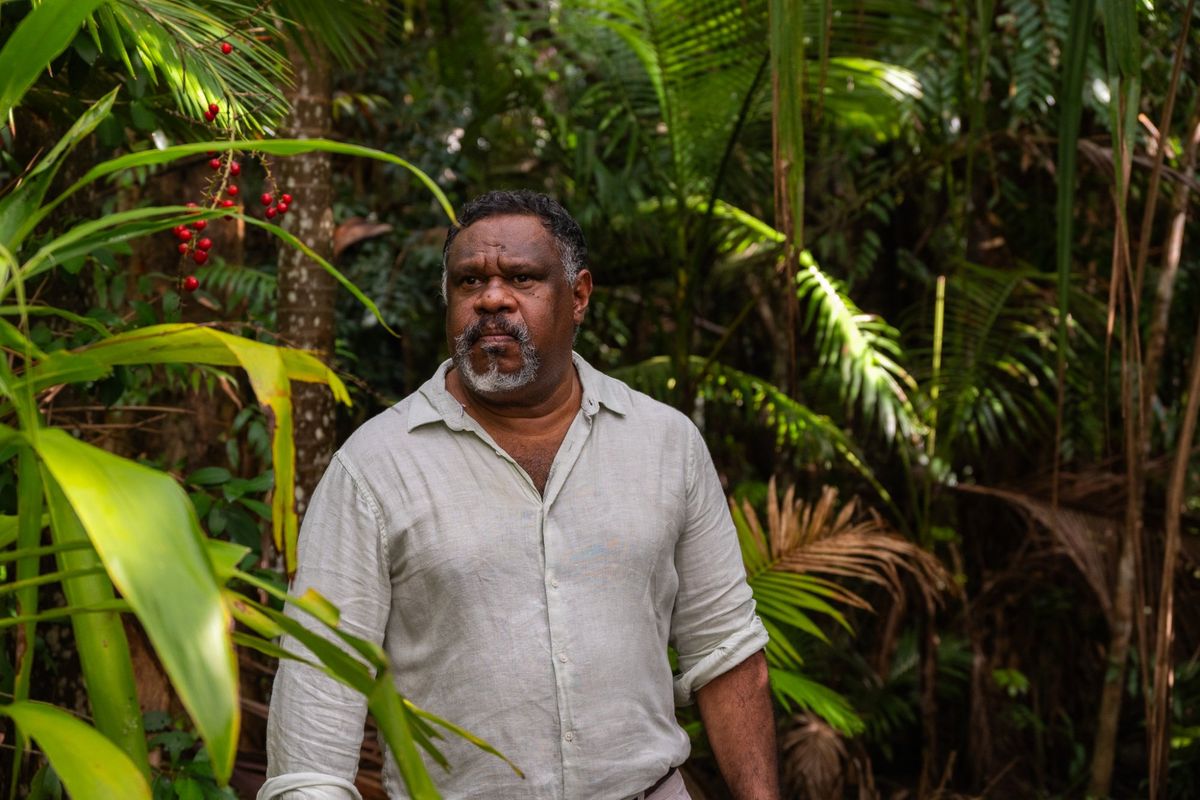
The Federal Budget has delivered renewed investment in native species protection, however Indigenous land and sea management leaders say it has fallen short of securing one of Australia's most effective frontline defences against invasive species.
The North Australian Indigenous Land and Sea Management Alliance (NAILSMA) has welcomed funding aimed at protecting native wildlife and ecosystems, but has raised concerns about the absence of long-term investment for Indigenous-led invasive species management programs.
In recent years, Indigenous ranger groups across northern Australia have played a critical role in tackling feral animals and invasive weeds through the Indigenous ranger component of the Supporting Communities Manage Pest Animals and Weeds Program. The program has provided Indigenous organisations with the resources, equipment and training needed to undertake biosecurity work across some of the nation's most remote and environmentally significant regions.
Its funding is due to end in 2027.
NAILSMA chief executive officer, Barry Hunter, said the Federal Budget represented a missed opportunity to secure the future of a proven Indigenous-led model which delivers environmental, cultural and economic benefits.
"This funding has delivered stronger biosecurity across the north of Australia from the Kimberley, all the way to Cape York," he said.
Mr Hunter said Indigenous ranger programs had done far more than remove weeds and control feral animals.
"It has supported Indigenous rangers to develop skills, undertake qualifications, and access technology and equipment to look after Country," he said.
Across northern Australia, Indigenous ranger groups are often the first line of defence against invasive species which threaten native wildlife, cultural landscapes and agricultural industries. Their work includes monitoring pest populations, undertaking control programs, collecting data, and responding to emerging biosecurity risks in areas that can be difficult and costly for governments to access.
Mr Hunter warned allowing funding to lapse could weaken Australia's ability to respond to invasive species threats at a time when environmental pressures are increasing.
"This work is critical for Country and culture, but also for Australia's resilience from pests and weeds that can threaten our native species as well as our agricultural industry," he said.
The concerns come as Indigenous organisations continue to advocate for greater recognition of the role Traditional Owners play in caring for land and sea estates.
Indigenous rangers currently manage millions of hectares across northern Australia, combining cultural knowledge with contemporary land management practices to deliver outcomes that benefit both local communities and the broader nation.
Mr Hunter said the current funding model fills a gap which is not adequately addressed through other government programs because it places decision-making directly in the hands of Indigenous organisations.
"When investing directly into Indigenous organisations Traditional Owners are in control of determining their priorities on the ground, with benefits for the entire nation," he said.
Mr Hunter stressed effective invasive species management requires more than short-term grants and project funding.
"Undertaking invasive species work requires long-term, direct investment so Indigenous organisations can access the equipment, training, and annual operational funding needed to strategically manage established pests," Mr Hunter said.
Without ongoing support, Mr Hunter warned there is a risk years of progress could be undermined, particularly in remote regions where invasive species can spread rapidly if left unchecked.
"Strengthening this capacity reduces impacts on nationally significant places and listed species, and lowers the risk of feral populations expanding and causing even more damage than what has already occurred," he said.



