




The First Peoples' Assembly of Victoria has elected new co-chairs following the announcement of election results last month.
Gunnai and Gunditjmara person Meriki Onus and Dja Dja Wurrung, Wamba Wamba, Yorta Yorta, Dhudhuroa, Waywurru, Barapa Barapa, Wergaia and Wiradjuri man Djaran Murray-Jackson were elected co-chairs this week after a meeting on Dja Dja Wurrung Country in Bendigo.
They replace outgoing co-chairs Reuben Berg and Ngarra Murray, who led the Assembly during negotiations for the country's first Treaty with the Victorian Government last year.
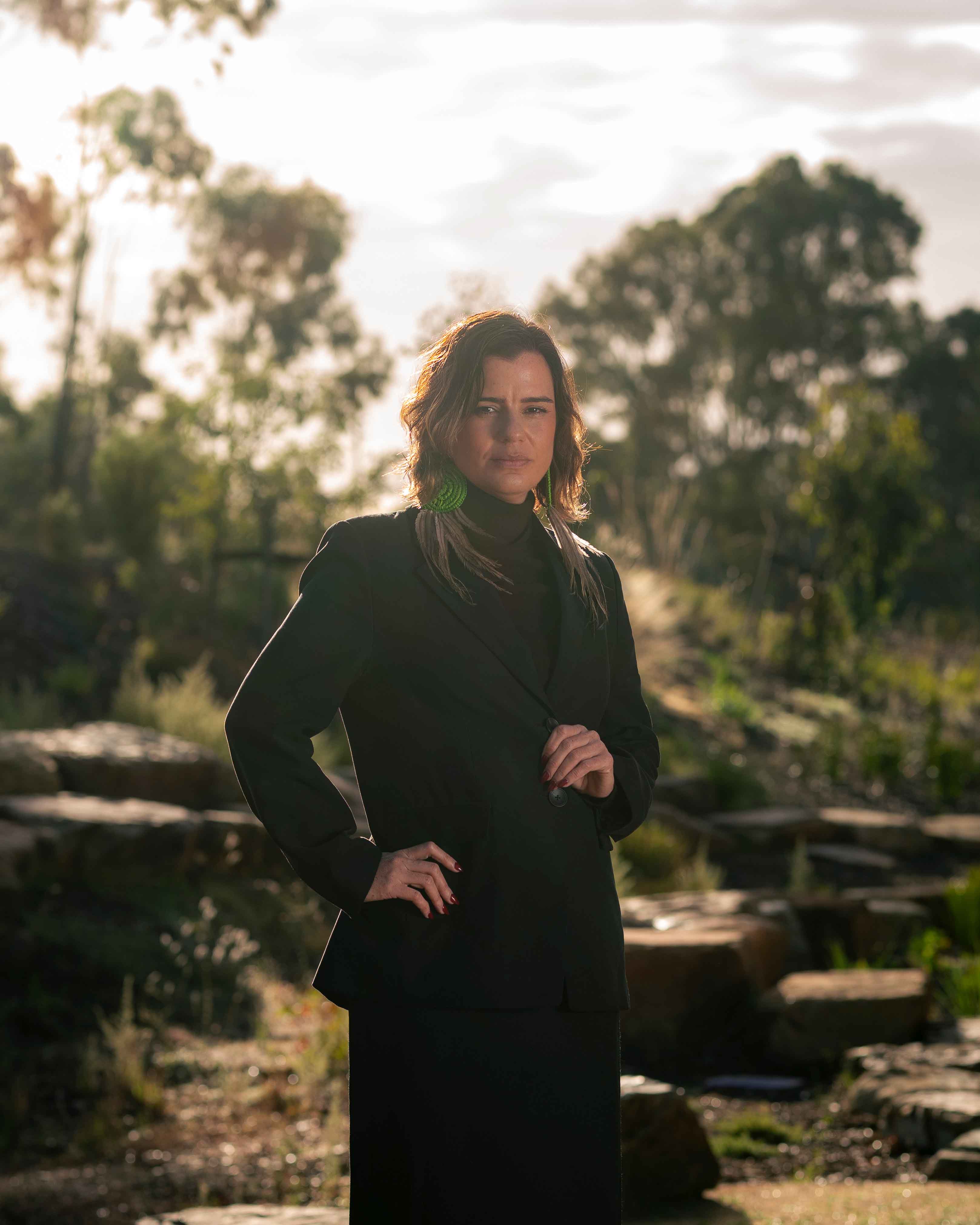
Onus, who represents the metro region and was elected this year, said leading the Assembly alongside Mr Jackson is a privilege.
"I'm grateful for my fellow Members' support at this pivotal time for our people. We have walked a decade-long journey and negotiated and signed Australia's first Treaty, now we must make sure that Treaty delivers real change for us," they said.
"Our first priority is working with our communities on how we can use Gellung Warl's new powers and responsibilities to secure better outcomes across health, education and employment for our people."
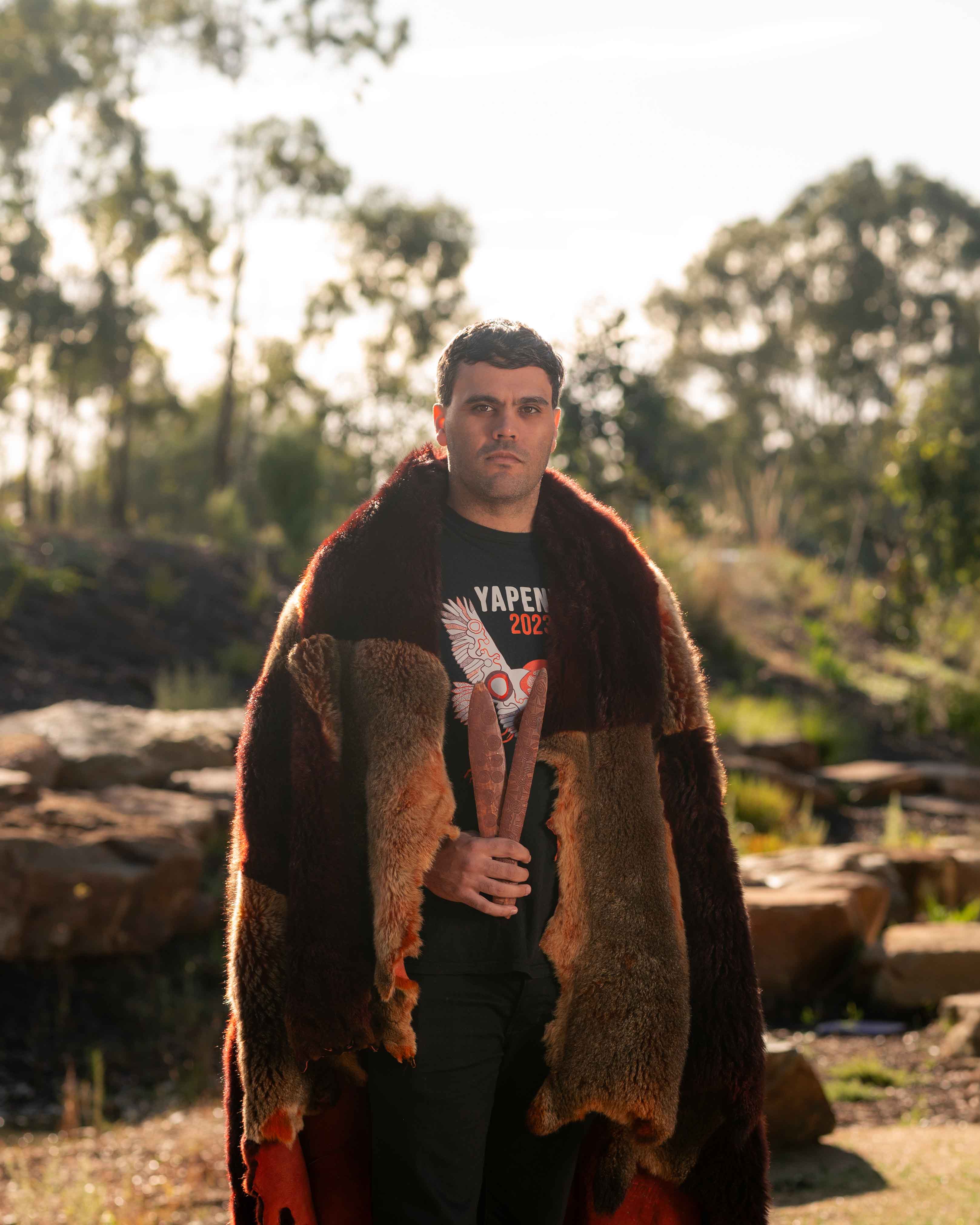
Mr Jackson, a reserved seat holder representing Dja Dja Wurrung Clans Aboriginal Corporation, who is returning to the Assembly for another term, thanked those who put their faith in him to lead.
"We've just had our third Treaty Elections and we're really proud of the results. Our elections are non-compulsory, yet over 10,000 First Peoples enrolled for the elections, showing how deeply our people are committed to Treaty," he said.
"First Peoples are the experts on our own lives, we know what does and doesn't work for our communities, and Treaty is how we make the most of our local knowledge to get better outcomes for our people."
The elected body of Traditional Owners will oversee delivery of outcomes under Treaty through a new governance structure known as Gellung Warl, meaning "tip of the spear" in Gunaikurnai.
Under the framework, the Assembly, alongside a permanent truth-telling body and an accountability commission, will oversee policies aimed at closing the gap in Victoria.
The elections in March and April saw more than 80 candidates contest 22 General Seats across five regions, including 10 representatives from Metro and three each from the North East, North West, South East and South West.
A further 12 Reserved Seats for Traditional Owner groups are elected through separate community processes.
All successful candidates will serve four-year terms, though the state Coalition has pledged to abolish the Assembly and tear up Treaty if it wins November's state election, arguing it would not help close the gap.



