




Bundanon's Art Museum is now showcasing "Miwatj Yolŋu - Sunrise People," featuring artworks by 13 Yolŋu artists from the Yirrkala Community in East Arnhem Land, running until February 11, 2024.
In January the exhibition will be a prominent regional attraction for the Sydney Festival, which will draw audiences from the city and across the state who can enjoy the exhibition and its public programs during the season.
Developed in partnership with Buku-Larrŋgay Mulka Art Centre and The Mulka Project, "Miwatj Yolŋu - Sunrise People" delves into the themes of storytelling, ecology, and materiality through the works of Yolŋu artists.
Just as Bundanon is situated in the Shoalhaven, Yirrkala is a place where freshwater and saltwater meet, influencing a range of creative expressions.
This exhibition highlights the significance of weather patterns and ecological systems in Yolŋu culture, weaving together narratives of land, water, and sky.
Bundanon CEO Rachel Kent said Yirrkala "is a place close to my heart, one of the most exciting and dynamic artistic communities in Australia and the wider world".
Exhibiting artists include Ms N Marawili, Dhambit Munuŋgurr, Gaypalani Waṉambi, Mulkuṉ Wirrpanda, Muluymuluy Wirrpanda, Djirrirra Wunuŋmurra, Djakaŋu Yunupiŋu, Nyapanyapa Yunupiŋu, Wanapati Yunupiŋu, and artists from The Mulka Project including, Ruby Djikarra Alderton, Ishmael Marika, Patrina Munuŋgurr and Gutiŋarra Yunupiŋu.
The term "Miwatj Yolŋu" translates to "sunrise people" in the Yolŋu Matha language.
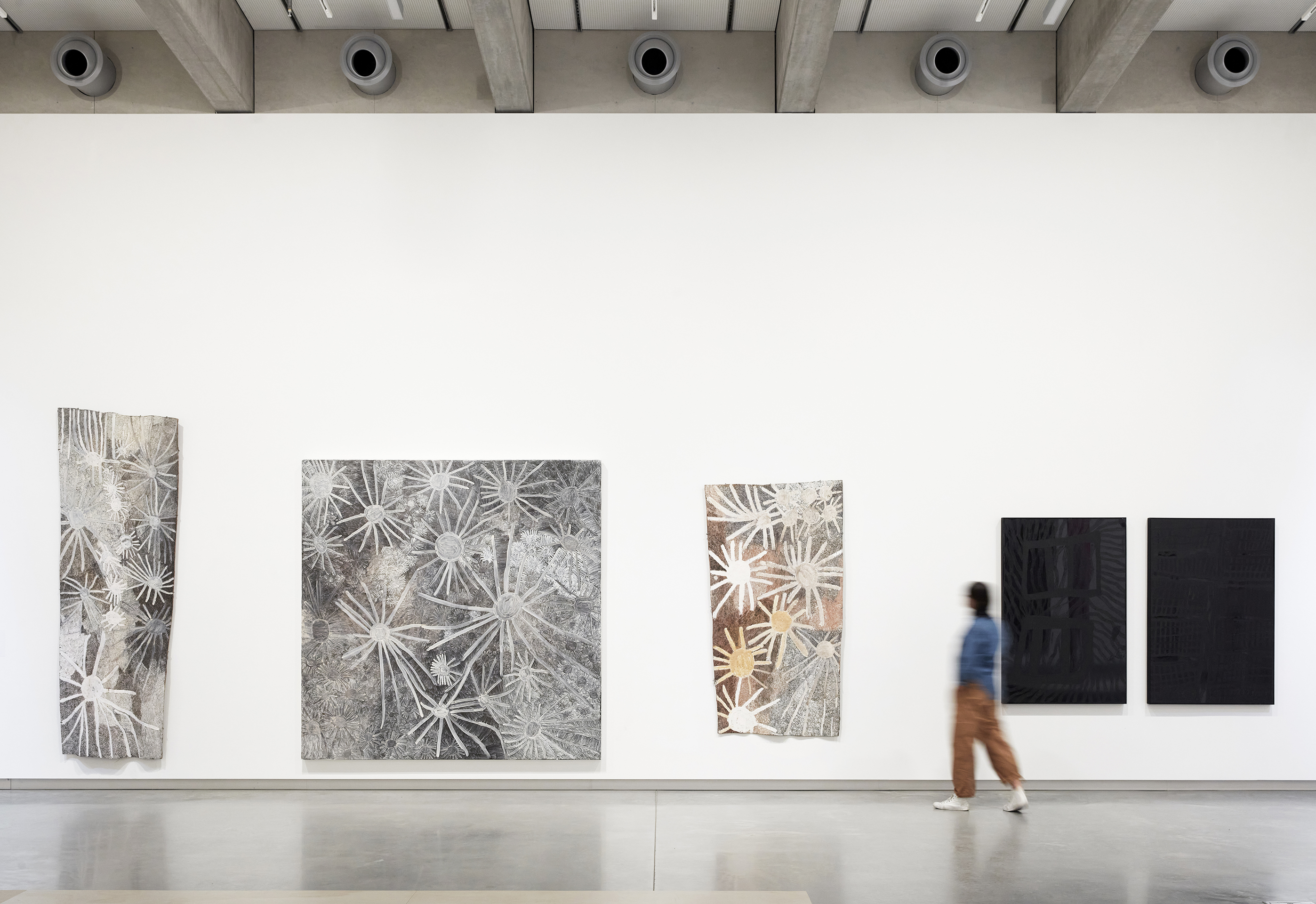
Geographically, Miwatj sits at the farthest northeastern region of Arnhem Land, where the morning sun first appears in the east.
Yolŋu artists preserve cultural traditions by conveying both sacred and everyday stories by utilising materials sourced from the local environment, including natural ochres, ṉuwayak (bark painting), and larrakitj (memorial poles), is a significant aspect of this artistic practice.
The exhibition includes pieces by the esteemed Yolŋu artist Ms N Marawili, recognised as one of the most significant Australian painters of her generation until her passing in October 2023.
Ms Marawili, renowned for her distinctive magenta hue derived from recycled printer cartridges, is among the artists in this exhibition who have been trailblazers in using reclaimed materials in her artwork, aligning with the Yolŋu principle of 'if you paint the land, use the land.'
This approach can be seen in the metal works of Gaypalani Wanambi, a younger Yolŋu artist, and Wanapati Yunupiŋu, who incorporates discarded signage and scrap metals from nearby bauxite mining sites.
"I've had the immense privilege of working with artists in this community over time, some of whom are no longer with us, and celebrated in this exhibition," Ms Kent said.
"These artists are truly world-class; and their innovative practice encompasses artistic media from bark painting and larrakitj through to repurposed dance boards, metal road signs from local mining industry, and screen-based media."



