




For some the National Indigenous Tennis Carnival is about high performance on the court, however for others it is a new opportunity to experience the game.
Speaking on day one of this year's tournament in Darwin, global tennis great and Wiradjuri woman Evonne Goolagong Cawley said it represented what she had in mind when coming back to Australia post playing career.
More than 160 First Nations youth from across Australia will take part in the National Indigenous Tennis Carnival across four days on Larrakia Country.
A portion will play competitively in a bid to take home the Evonne Goolagong Medal of Excellence or Ash Barty Cup.
Many will pick up a racket to develop their skills and learn more in the sport, with the 12-and-under coaching program Hot Shots Tennis and Future Stars running across the carnival.
"It's one of the most unique programs that I've ever been in. It's not just about tennis, it's about education, meeting up with friends, making new friends," Goolagong Cawley said on day one.
Goolagong Cawley said she hopes the carnival will only grow bigger, including participant numbers, Indigenous coaches and investment into smaller communities to strengthen the game.
Before going on to win 14 Grand Slam titles across her career, Goolagong Cawley started out hitting a ball against a wall in the country NSW town of Barellan at a time when Indigenous players weren't welcome in tennis clubs.
She was likely the only Indigenous tennis player competing in tournaments at the time she was first entering, the Australian and International Tennis Hall of Fame member said on Wednesday.
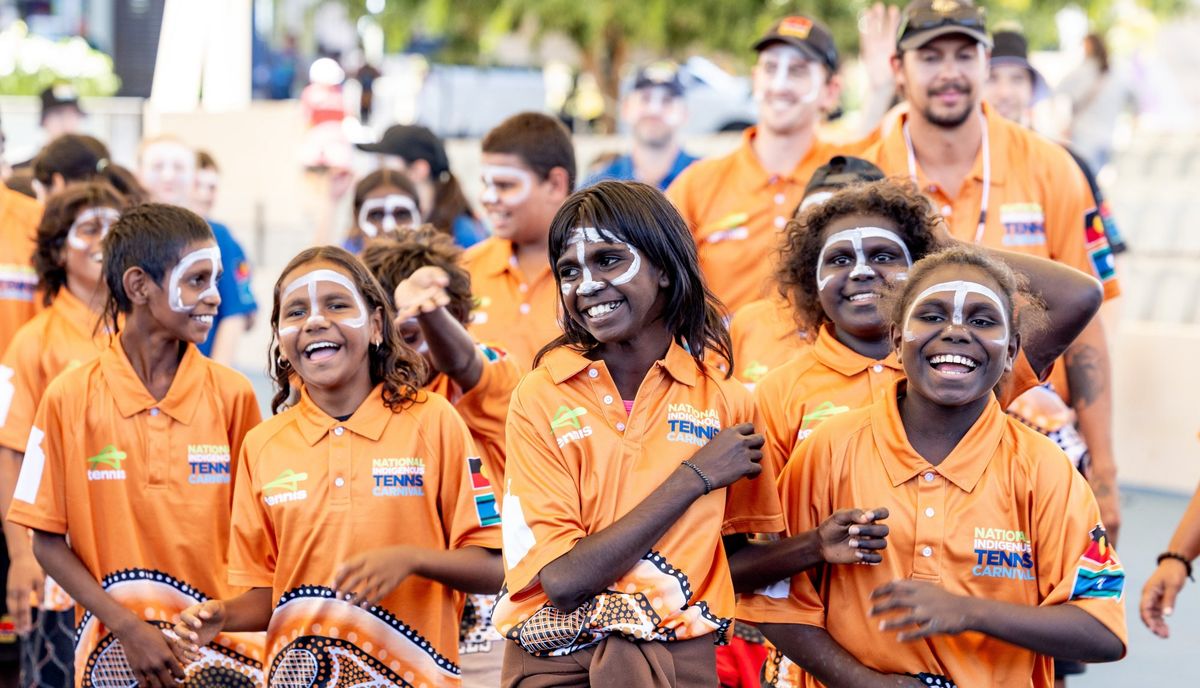
Goolagong Cawley credits support she received from the local community of Barellan in the early days to helping her achieve career success.
"(I was) very shy, very scared, but I wanted to achieve that dream of winning at Wimbledon one day, and achieved that, and now this is even more special for me," she said.
"This is what I wanted to do when I came back to Australia in 1991, and I wanted to do what the townspeople did for me, so and it's working."
Goolagong Cawley said it's great to be back seeing new faces and those who have gotten older and taller over the years they've attended the National Indigenous Tennis Carnival.
More than just tennis, the carnival champions culture, health, education and community.
The combination of the sport, and culture "can only make them stronger," Goolagong Cawley said.
"Tennis made me more positive, more confident in myself. But then I learned about culture too, It made me even stronger. So the combination is just so unreal," she said.
More than 1300 young people took part in 32 lead-in competitions - a record number, to arrive in Darwin for the week, Yuin woman and Tennis Australia First Nations lead Kyah Jones explained.
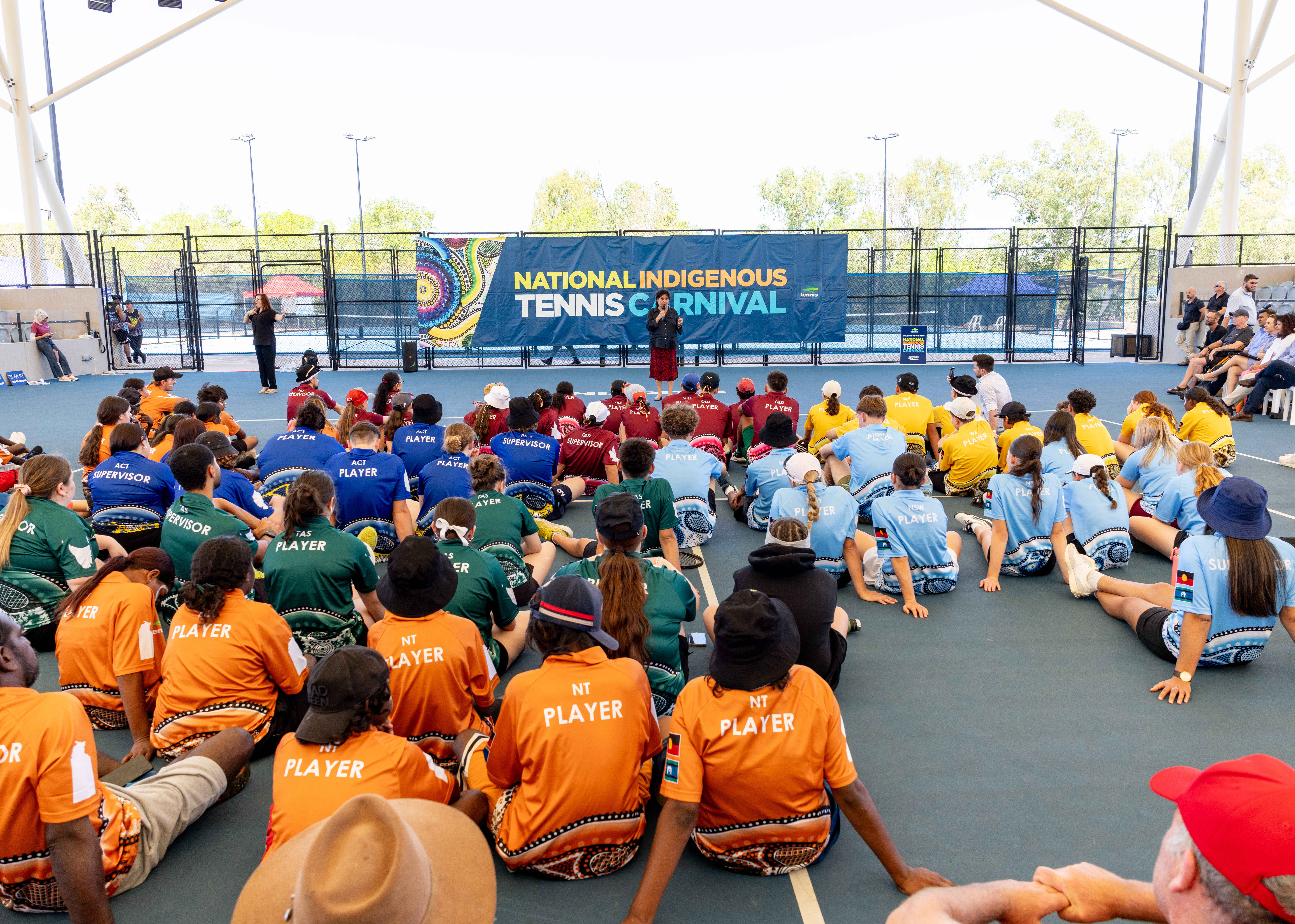
Each state and territory is represented, including those coming from 12 communities around the Northern Territory.
Those include Gan Gan, Dhalinybuy and Milyakburra in East Arnhem Land.
Dozens of pairs of tennis shoes were donated to be pulled on by participants via WA sport-utilising non-for-profit Fair Game.
"Tennis Shoes are quite specific, and it feels different to play in tennis shoes. So I think coming from a remote community, being able to play in tennis shoes on these tennis courts is just going to be something special," Tennis West diversity, equity and inclusion lead Sara Mohamed said.
Cultural and wellbeing activities are also on the carnival's agenda.
Weaving, spear throwing, mural and pillar painting and string making accompany wellbeing sessions and employment opportunities across the four days.
Tennis NT chief executive Tania Tandora described the National Indigenous Tennis Carnival as the "pinnacle" of the First Nations tennis calendar and pathway.
Conversations are being had about making the annual event bigger and better in the coming years, Tennis Australia chief executive Craig Tiley added.



