



In a regional setting, being able to get yourself around is practically the biggest thing to tick off before being able to enter the workforce. That's what Indigenous owned and operated non-profit On-Country Pathways were told through community consultation, and they did something about it.
The organisation operates either side of the NSW-Victoria border in the Riverina Murray region and northeast Victoria, facilitating employment and career entry for First Nations youth.
General Manager and Wiradjuri man Jebb Hutchison said it was around four years ago they expanded into an area that's critical for young mob to get into the workforce.
On-Country Pathways recently helped their 200th L-plater pass their driving test and gain a new level of autonomy through their free Driver-Mentor Program open to 16-24 year-olds.
"The driver mentor program is single-handedly alleviating the biggest barrier to employment. In a regional setting, having a driver's licence is a prerequisite for a job," Mr Hutchison told National Indigenous Times.
The program is all about building a young person's capacity, he explained.
Never did they expect they'd reach the figure in such a short time. It's up there, if not, their organisation's most popular service.
There's close to as many people in the waiting list to join.
"Through community consultation, you know, was identified that is single-handedly the biggest barrier to young people being able to get a full-time employment right without being reliant on someone else," Mr Hutchison said.
On-Country Pathways staff are qualified driving instructors, in duel-control vehicles, running the program.
Getting their licence is, really, the byproduct of the program and bigger picture, Mr Hutchison said.
"It's the mentoring that the young people get in the car. It's ensuring that they're job ready, that they've got all the required documentation ready to go, should an opportunity present itself," he said.
The effects extend further into the family for many. It's a "massive point" of the program easing strain on families — whether that's time, finances, accessibility and other potential pressures, Mr Hutchison explained.
For some families, there mightn't be someone able to be the qualified driver in the car for the young person to get there hours. Or there might only be one car in the family to go around, among other factors.
120 hours of supervised driving is a lot of time, Mr Hutchison added.
Victorians need to be 18 to get your P plates, once reaching the required criteria and time in the car. In NSW they can do so 12 months earlier, and, unlike south of the border, one hour with a driving instructor counts for three in the log book.
That's a disadvantage Mr Hutchison said they're raising with the Victorian Government,
At 18-years-old you're ready for the next stage of life.
Their services initially focused on the construction sector. They've since spread wider into any industry or career path a young person they engage with wants to pursue.
On-Country Pathways recently extended into their 17th community, Wangaratta.
It comes via philanthropic donation received, adding to the 16 communities they already had a footprint in via NIAA Indigenous Skills and Employment Program funding.
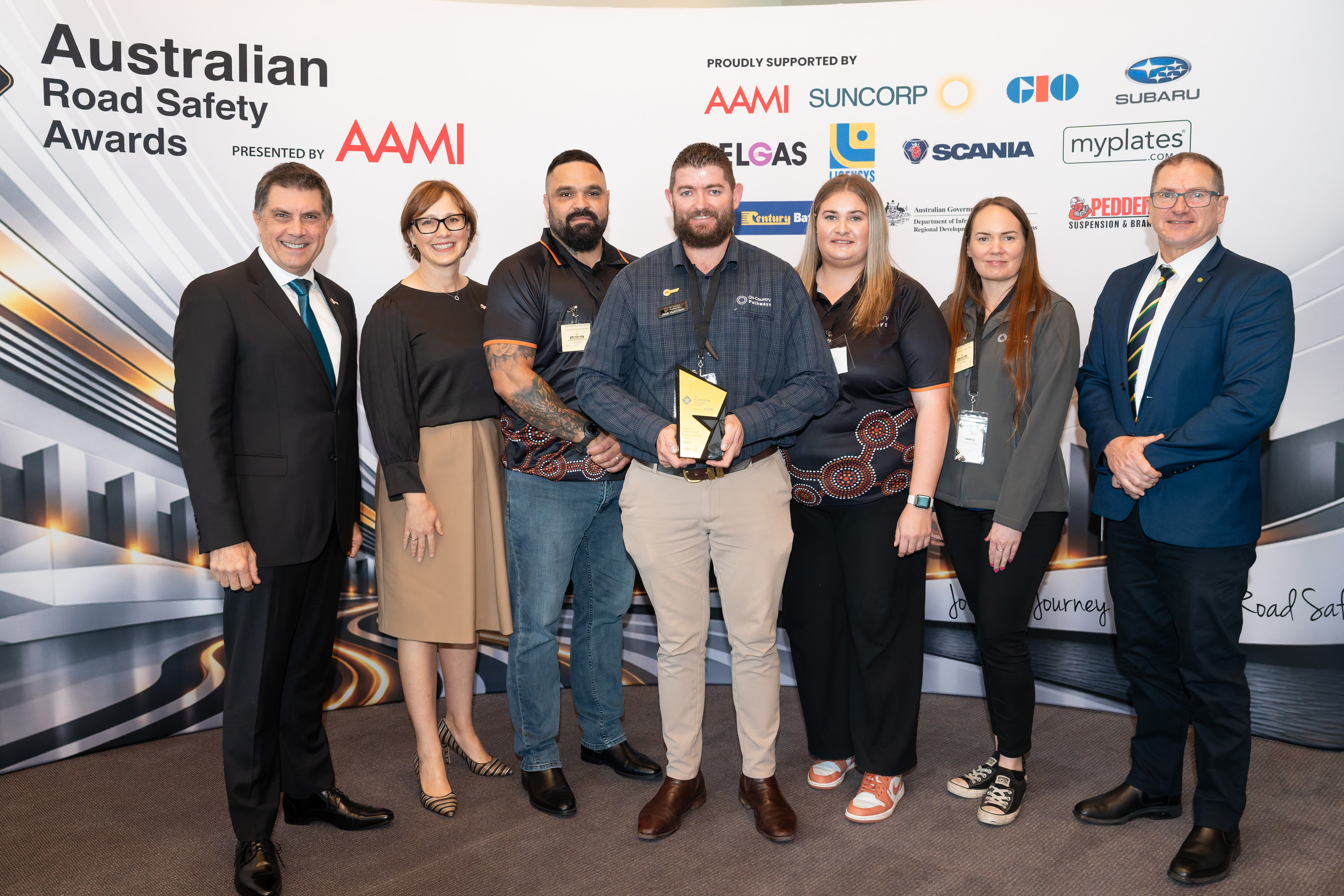
Last week, the Driver-Mentor Program was named Indigenous Program of the Year at the 2026 Australian Road Safety Awards for the second straight year.



