



Local community members, Elders, health care professionals and families who have used New South Wales' Malabar Midwifery Group Practice have attended a celebration to mark the service's 18th anniversary.
Malabar Midwifery Group Practice, commonly known as Malabar Midwives, has supported the births of more than 1,500 babies since it was established in 2006.
The service provides service providing culturally respectful pregnancy, birth, and postnatal care to to Aboriginal women and women with an Aboriginal partner who choose to give birth at Randwick's Royal Hospital for Women.
Malabar Midwives promotes flexible and culturally respectful midwifery care, and is available to Aboriginal women and families from anywhere in NSW.
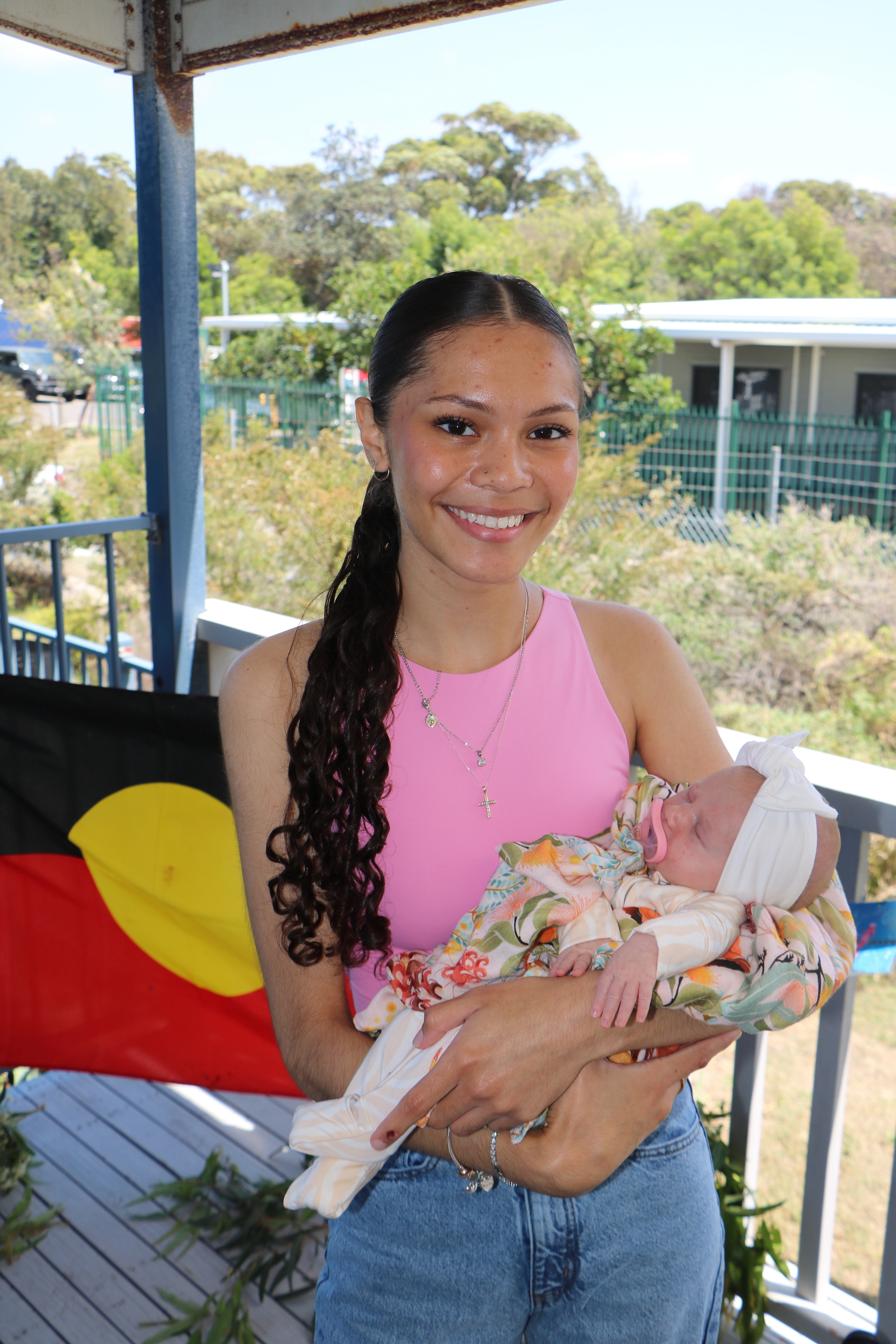
Malabar Midwifery Group Practice Aboriginal health worker, Trudy Allende, said Malabar Midwives knows the women and families in the community and are able to support their voice within the health system.
"I believe that the team at Malabar Midwives gives our local Aboriginal community the service and care it deserves to support best outcomes for mothers and babies." Ms Allende said.
"It's an incredibly dedicated team and it's a tribute to the service to have been around for 18 years," Ms Allende said.
Malabar Midwives work alongside an Aboriginal Health Education Officer in a continuity of midwifery model of care, which supports women getting to know the midwives during their pregnancy journey.
Four midwives, two of which are proudly First Nations, work on a rotating 24-hour roster so women have a known midwife to provide care around the clock.
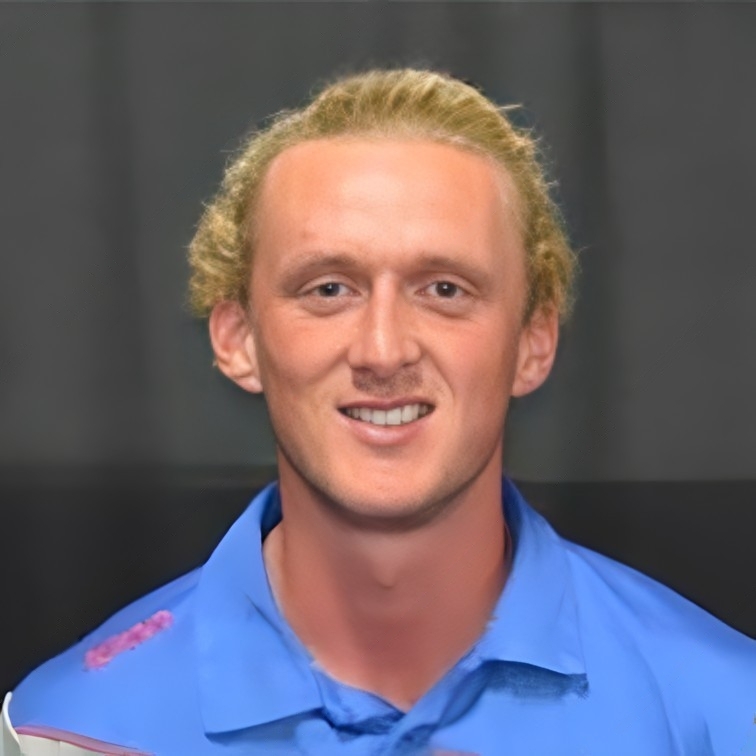
New South Wales Minister for Aboriginal Affairs and Treaty, David Harris, said Malabar Midwives is closing the health gap between Indigenous and non-Indigenous mothers and babies.
"Malabar Midwives is an example of how working alongside community can help close the gap to improved health outcomes for Aboriginal people," Mr Harris said.
"This successful model of maternal and infant health care for Aboriginal families sets the standard for Aboriginal midwifery initiatives."
In addition to the four clinical midwife specialists, the Malabar Midwife's team also includes a consultant midwife, an Aboriginal health care officer, a social worker and, in partnership with the Sydney Children's Hospital, a child and family health nurse, community based paediatrician and speech pathologist.
New South Wales health minister Ryan Park said Malabar Midwifery provides an "exceptional model of care" for Aboriginal mothers.
"The Royal Hospital for Women's Malabar Midwifery Group Practice is an exceptional model of care that other services seeking to establish pregnancy, birthing and postnatal care for Aboriginal women and families can learn from," Mr Park said.
"The service is an outstanding example of the success that can be achieved when health professionals work collaboratively with communities to find the best solutions for their health care needs."
Member for Maroubra, Michael Daley, commended Malabar Midwifes on the service's longevity.
"Women from all over NSW travel to Sydney to attend Malabar Midwives, which is a testament to the solid reputation the team has developed across Aboriginal communities," Mr Daley said.
"I congratulate the Malabar Midwives team on their great success over many years and look forward to them continuing their outstanding service for many years to come."



