


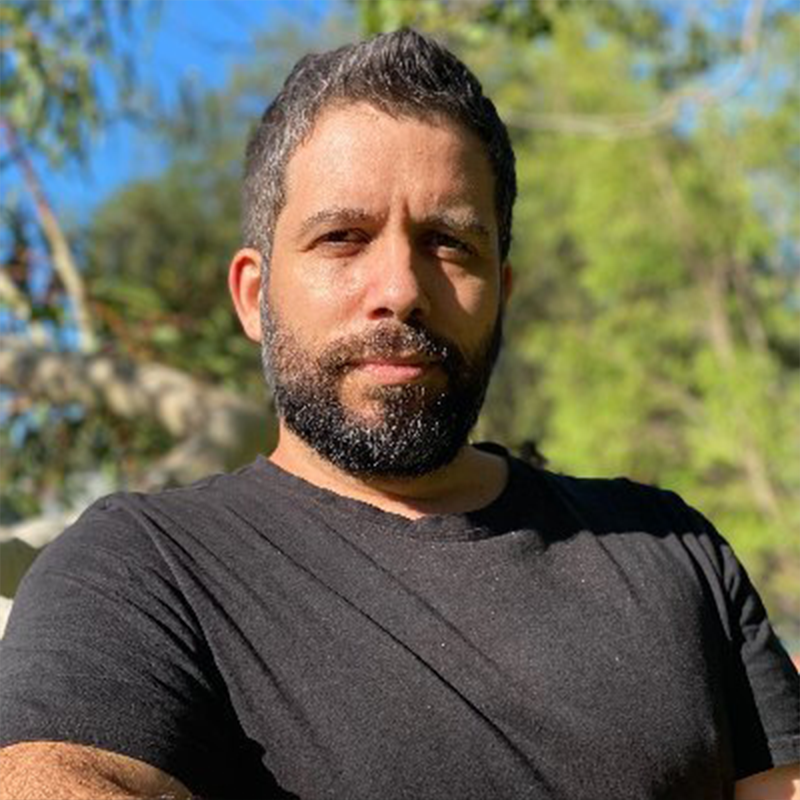

Veteran Indigenous right activist and academic Gary Foley says an Indigenous Voice referendum is "a diversion" from action on "real facts and issues".
"We shouldn't be fucking around with a referendum. A referendum No vote would set us back another 50 years, just like the last one. We're 50 years down the track from the '67 referendum and we're walking through the same mistakes again," he told Cade Lucas for Umbrella.
Professor Foley said that the 1967 referendum, although successfully securing a majority of yes votes in a majority of states, "achieved sweet fuck all".
"The only thing that this referendum will do, if in the unlikely case, it succeeds, is make white people feel good," he told Umbrella.
"We've been here before," he said, listing Indigenous representative organisations that have come and gone over the past 50 years.
Professor Foley said the government is pursuing a constitutionally enshrined body "because it's one of the best sorts of diversions you can have from the real facts and issues".
"And the real issues are white racism in Australia. The reason why Aboriginal people are amongst the most imprisoned on the planet was spelt out 25-30 years ago in the Royal Commission into Aboriginal Deaths in Custody findings. That Royal Commission said explicitly that the primary reason why so many Aboriginal people are imprisoned today was because of the deeply embedded, deeply entrenched racism that pervades the criminal justice system from the High Court to the local copper.
"And so, nobody ever talks about that. Nobody's interested in addressing that, and that's one of the reasons why Australians remain so resistant to facing up to the truth of its own history," he said.
Greens senator for Victoria, Lidia Thorpe, has listed the full implementation of the Royal Commission's recommendations as one of her and her supporters' conditions for backing a Voice to parliament.
Professor Foley said self-determination and a Treaty was the path forward. He argued that the movement for self-determination at its peak in the late 1960s and 1970s was sabotaged by the introduction of the Native Title Act, which diverted the land rights movement into pursuing native title, "the most inferior form of land tenure under British law… completely pointless".
"Self-determination is something that you create for yourself and take, that's what the national, the Pan Aboriginal, movement we created in the early '70s, that's why it was so strong, that's why it changed the course of our Australian history at the Aboriginal embassy, that's how we brought an end to the era of the official policy of assimilation. Governments didn't back off that because they thought it was the right thing to do. They backed off because we forced them to," he told Umbrella.
"You're bringing in a Native Title Act, which suddenly tells Aboriginal people you've got to, you know, be such and such. Back in the 70s, we all knew which mob we came from and all that but we also identified as something bigger, a national network, and that was what gave us the power."
Constitutional experts, including Indigenous academics, the Voice referendum working group's Constitutional Expert Group, and the federal parliament's Legal and Constitutional Affairs Legislation Committee have maintained that the establishment of a constitutionally protected Indigenous Voice to parliament will not cede or undermine sovereignty.



