




Ahead of a hot, dry and dangerous summer, Taigen Ryan is fearful of having to say "I told you so" if a buffel grass tinder box is set alight.
A cohort gathered in Mpartnwe (Alice Springs) on Monday to continue a push for national action on the declared weed.
The popular cattle feed and erosion mitigator for pastoralists is described by opponents as an invasive, dry weed causing major impacts to the landscape and a major fire risk.
Buffel grass was declared a weed in the Territory in 2024, having been given the same classification in South Australia almost a decade earlier.
Classification as a week of national significance would prompt nationwide cooperation on control strategies, with the federal, state and territory governments involved.
Ms Ryan is a Kalkadoon woman and Voice of Country campaign lead with the Invasive Species Council.
El Niño, a periodic spell of warmer conditions and winds shifting rain away "is at near-record levels" ahead of the Australian summer, a positive IOD (Indian Ocean Dipole, year-to-year tropical sea temperatures change with similar outcomes, 'is likely to develop during the southern hemisphere spring and persist into early summer', per the Australian Bureau of Meteorology, as of September 29.
These last coincided in the months leading into the 2023-24 summer, where almost 1 million square kilometres burned between the August and June.
Ms Ryan said buffel grass didn't have the coverage across the continent which is does now during seriously destructive bushfire seasons in previous decades.
"It's horrifying, the fire risk. And you do not want this to be an 'I told you so' moment to Government," she told National Indigenous Times.
"There's communities, there's people living in these communities, there's tourism, there's health factors here. There's so much at risk. It's just people really need to be paying attention to this."
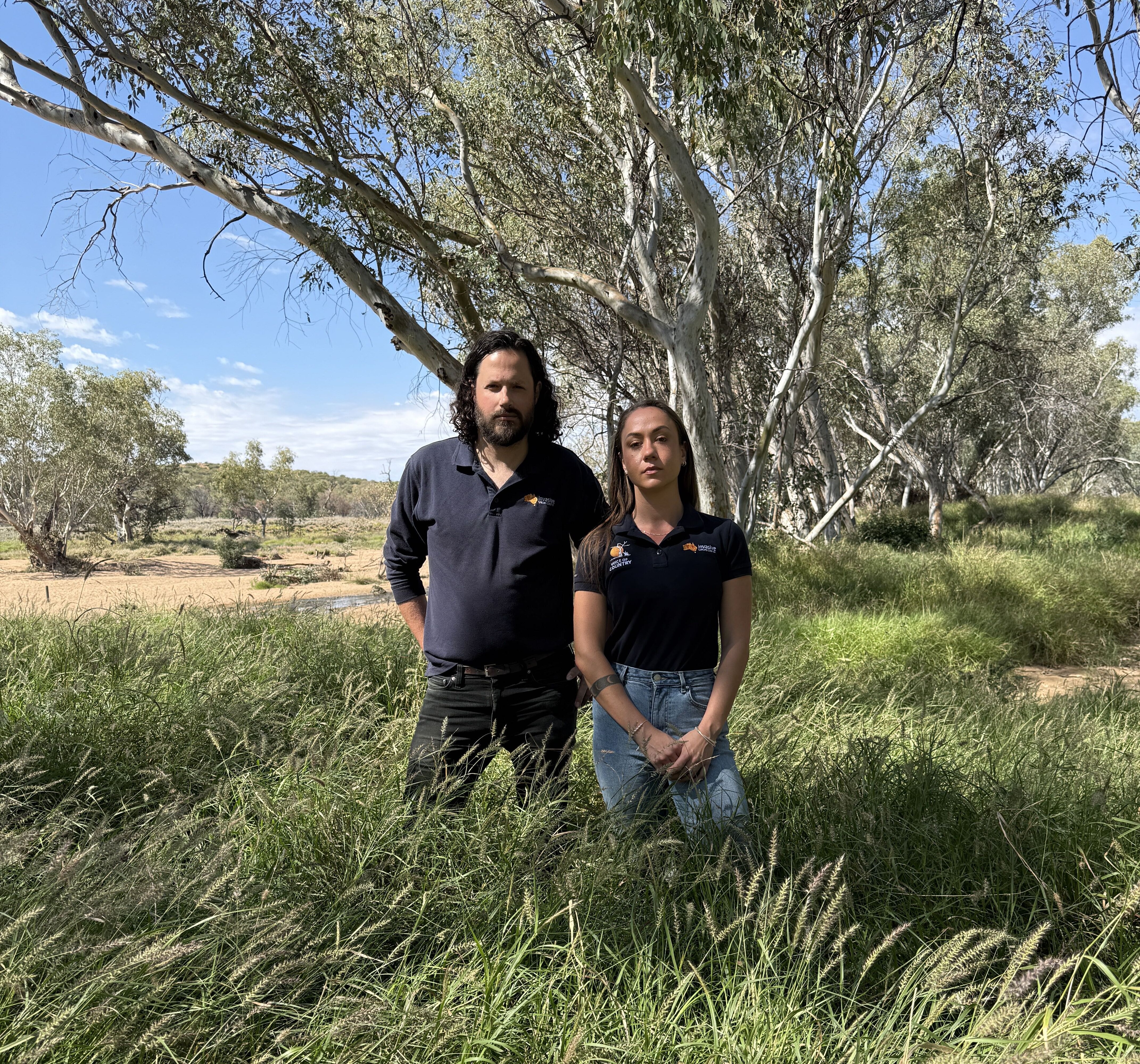
Pushback and concerns have been raised by graziers when it comes to the buffel grass debate.
Earlier this year Cattle Australia chair Garry Edwards argued for the positive impacts buffel grass has had, and how it's critical for the industry, telling the ABC: "There's literally billions upon billions of economic value and landholding that's attached to the fact that buffel grass exists."
https://nit.com.au/24-03-2026/23357/it-needs-to-be-fixed-central-land-council-says-nts-buffel-grass-plan-risks-greater-spread-onto-aboriginal-land
In March, A federal government spokesperson told National Indigenous Times buffel grass management is a government priority.
"Our Threatened Species Action Plan 2022-2032 identifies priority places and species that will benefit from management of buffel grass. Implementation of the Action Plan is being supported by targeted investments under Saving Native Species program and the Natural Heritage Trust," the spokesperson said.
"On-ground work to address invasive species like buffel grass is undertaken as part of larger integrated projects that seek to improve habitat condition and support threatened species recovery and conservation."
On announcing the Territory's 10-year buffel grass management plan, also in March, NT Minister for Lands, Planning and Environment Joshua Burgoyne said: "Buffel grass creates significant challenges relating to fire and environmental management and is also an important feed source for pastoralists and their cattle," Minister Burgoyne said.
"We acknowledge the work of the pastoral industry to manage buffel grass on their properties, along with the need for more to be done to manage buffel grass around our towns and conservation areas."
On Monday, Ms Ryan said she can't see a world where buffel grass doesn't impact anyone, either directly or indirectly.
For First Nations people and communities, these impacts extend to those related to culture, she said.
Invasive Species Council representatives have frequently raised the threat to country the grass presents.
A recent report prepared for the NT Government estimated buffel grass poses a threat of economic loss almost 60 times greater than any benefit.
Forage provision and erosion-control benefits were estimated at $112.3 per hectare, each year.
In comparison, external costs were found to be at $6,328 (per hectare, each year), "driven predominantly by biodiversity loss, cultural-site degradation, fire-regime intensification, buffel grass management burdens, and scenic amenity decline".
"These findings constitute a market failure that provides a direct economic justification for the 2024 weed declaration and for the effective implementation of the Buffel Grass Weed Management Plan 2026-2036," the report read.
At some stage, there needs to be an alternative adopted, even with the said benefits it provides pastoralists, Ms Ryan said, who added she doesn't buy the positive economic arguments made.
NT Voices say Central Australia deserves action
Alice Springs Mayor Asta Hill and NT Shadow Minister for Health Chansey Paech joined Invasive Species Council representatives in Mparntwe on Monday.
Mr Paech said things have gone beyond weed management, and now the "wellbeing and future of Central Australian communities" are under threat.
"Territorians have been raising the alarm about buffel grass and its impact on Country for years," he added, "We know what is happening on the ground, and we know the risks will only grow as our climate becomes hotter and drier.
"This is about protecting people, protecting Country and protecting the places that make Central Australia home. Buffel grass is changing our landscapes and increasing the danger communities face when fire takes hold."
.jpg)
He said national national leadership, sustained investment and a coordinated response across governments is required, and Central Australia deserve to this happen.
Mayor Hill also called on major action, saying "Ratepayers cannot continue to shoulder the cost of managing an issue of this scale."
'Every year, the burden on our community grows as we spend more time and resources managing fire risk and protecting the places people love, while buffel grass continues to spread," she said.
Ms Ryan made the same call.
She said Central Australia "has been raising the alarm for years", and "after the extraordinary growth we've seen following recent rain, people are deeply worried about what happens when all of that fuel dries out".



