


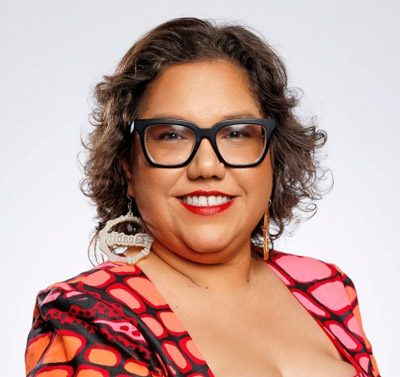

Kristal Kinsela's strength has always been evident to those lucky enough to know her.
A proud First Nations woman, a leader, a mother, a mentor and a friend, she has spent much of her life holding space for others.
However, in 2024, Ms Kinsela was asked to do something she had never planned for - she was asked to fight for herself.
In early 2024, Ms Kinsela was part of a group that became known as the Blaktrekkers, who came together after one of their own lost a brother to suicide.
In March that year, they climbed to Everest Base Camp to raise funds for the Black Dog Institute and to shine a light on mental health and suicide in First Nations communities.
Ms Kinsela often reflects on that experience as the mountain before the mountain, a test of endurance she did not yet realise was preparing her for something much bigger.
Climbing to Everest Base Camp was the biggest mountain Ms Kinsela thought she would climb that year, however just six months later she was diagnosed with breast cancer.
The news arrived suddenly and changed everything. Conversations shifted. Time felt different. The future became uncertain.
"I remember feeling shocked about how this could happen to me. But I said to myself very early on, don't be a victim to it, and find the lessons in the journey," Ms Kinsela said.
"That mindset shaped how she moved forward. Not being a victim and finding the lessons has helped ground me.
"I took my treatment journey as a task that had to be done, and I maintained a semi-normal life during, keeping a positive mindset and focusing on what I was grateful on. Gratitude is something really important to me."
As her friend, I watched Ms Kinsela move through treatment with honesty and courage. There were moments of fear and exhaustion, moments where the weight of it all felt heavy.
Yet she never lost her sense of who she was. She allowed herself to be vulnerable while quietly holding onto hope.
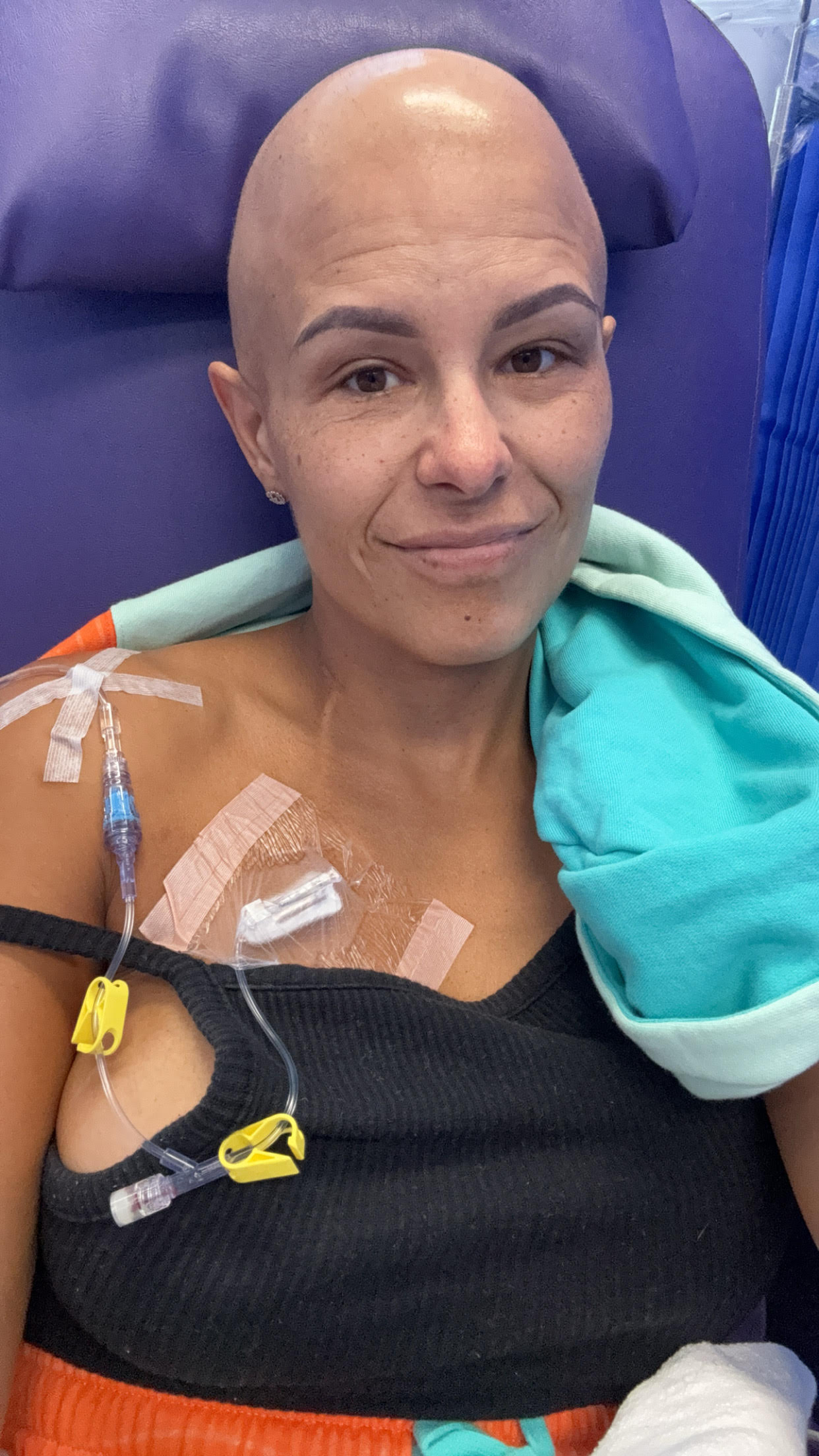
Her treatment journey included 15 rounds of chemotherapy, a mastectomy, reconstructive surgery and 15 sessions of radiation.
Throughout it all, movement became a powerful part of her healing. Walking and hiking were not just about recovery, they became a way to reconnect with her body and rebuild trust in it.
"Hiking is challenging. It is a mental and physical journey, much like a treatment journey for cancer," she says.
"You're being physically challenged, and mentally you have to stay strong. I have continued to tell myself, if I can climb that mountain, I can tackle any mountain. It's like a mantra."
Of all her treks, Everest Base Camp left the deepest mark.
"It was a life-changing, defining trek. It was long, cold, tiring and challenging. The body ached, but the mind stayed strong," Ms Kinsela says.
"It made me grateful for the simple and small things in life. We really don't need a lot in life to survive. Food, shelter and connection with others. Happiness is a mindset, just as much as it is a feeling."
Since then, Ms Kinsela has climbed Mount Batur and Mount Agung in Bali and hiked Te Mata Peak in Napier, New Zealand.
Each climb offered challenge, but they were also acts of healing. They were about reclaiming her body after cancer tried to take control, and about proving that survival was only the beginning.
Ms Kinsela is now preparing for her biggest climb yet, Mount Kilimanjaro. In the weeks leading up to departure, she has found the conversations around this climb unexpectedly confronting.
Many people assume it will be easy, just another mountain, a walk in the park. Those assumptions, she says, are what scare her the most.
The reality is her body has been fundamentally changed by breast cancer. She is in medically induced menopause due to hormone receptor positive cancer, managing ongoing injections and daily medication that strip estrogen from her body.
She lives with constant joint and bone pain, neuropathy and carpal tunnel in her hands, and fatigue that shapes how each day unfolds. None of this was present when she climbed Everest Base Camp two years ago.
"My body physically isn't the same," Ms Kinsela says. "My mental game is strong, as it has always been."
This climb is deeply personal. It is about confronting the invisible reality of cancer survivorship, and challenging herself to prove, to herself, that she is still capable, even though she will never be the same again.
For Ms Kinsela, Mount Kilimanjaro is not only a personal test, it is also a platform. Throughout her journey, Breast Cancer Network Australia (BCNA) has been a vital source of information, connection and reassurance.
As she prepares to climb, Ms Kinsela is raising funds to support BCNA and help ensure that others, particularly First Nations people, have access to culturally safe support, clear information and community when facing breast cancer.
By climbing Kilimanjaro, Ms Kinsela is carrying more than her own story. She is carrying the stories of survivors who continue to live with pain, fatigue and uncertainty long after treatment ends.
She is climbing to make visible the realities of survivorship and to remind others that the fight does not end when the hospital appointments stop.
Thos who support Ms Kinsela's climb are also supporting Breast Cancer Network Australia and the thousands of people they walk alongside every day.
Every contribution, no matter how small, helps strengthen connection, care and advocacy for those navigating breast cancer.
Ms Kinsela is not defined by cancer. She is defined by her strength, her spirit and her refusal to let fear write the final chapter. She is walking toward the summit carrying her story with her, step by powerful step.
Donations in support of Ms Kinsela can be made online.



