


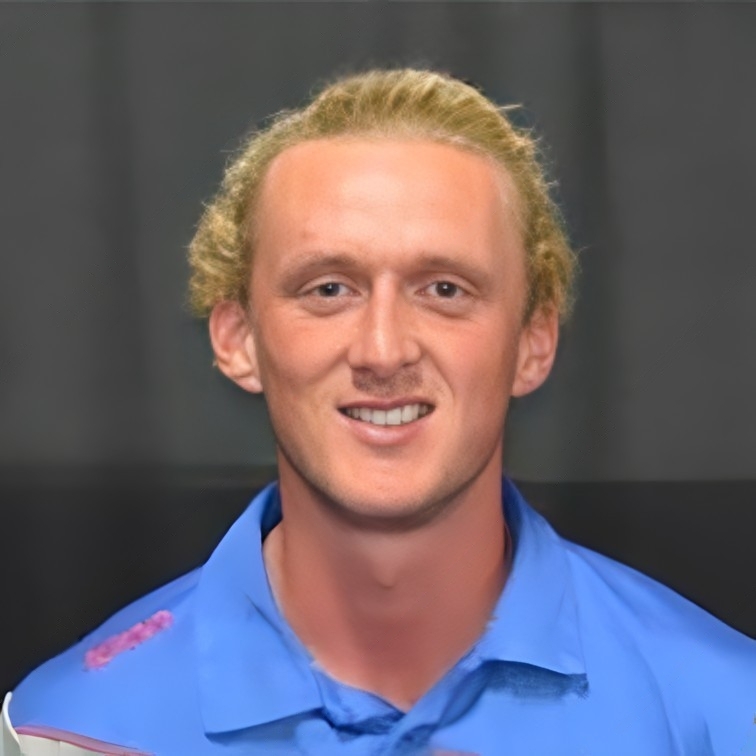

Anna Westcott wanted to study occupational therapy since seeing her brother in sessions when she was about 10 years old.
"My brother was born at 23 weeks and was constantly in and out of hospital, so we were working closely with the OTs to work on him becoming more independent," she said.
"I went to a few OT appointments with him and my mum and I remember them mostly working on fine motor skills and gross motor skills.
"Naturally, as a kid I loved the trampoline, ball pit and rope, all of the gross motor equipment, I think that is what actually drew me into OT."
Ms Westcott was supported to pursue a career in occupational therapy with a NSW Aboriginal Allied Health Cadetship, and is now completing a placement with the Mid North Coast Local Health District as part of her course.
She said the Cadetship program gave her the chance to learn functional skills and techniques in a real-life environment, not just in a university setting.
"Contributing to Aboriginal representation in healthcare through the Aboriginal Allied Health Cadetship means I can support Aboriginal and Torres Strait Islander Peoples to have a voice, increase participation, and a chance for leadership, within the allied health space," Ms Westcott said.
The NSW Government program experienced its most successful year ever in 2026, with 25 cadetships offered to candidates across a range of the 23 allied health professions, including occupational therapy, physiotherapy, speech pathology and pharmacy.
Successful cadetship candidates participate in a paid work placement at a NSW Health facility while they continue studying to provide them with real-world experience.
This year, a pharmacist and two neuro psychologists joined the program for the first time, while it was also the first year rural cadets outnumbered their metropolitan colleagues.
NSW Minister for Aboriginal Affairs and Treaty, David Harris, lauded the program's impact.
"It's an incredible opportunity for Aboriginal people to gain skills and experience that will serve them throughout their lives," he said.
"These scholarships will give Aboriginal people greater access to education which will also lead to positive health outcomes for communities, and these are two vital components of closing the gap."
The NSW Government said it developed the program to both increase the number of Aboriginal allied health professionals working in the NSW Health system and boost career development opportunities.
NSW Minister for Health, Ryan Park, said it was wonderful to see the gram grow following its most successful year.
"These cadetships are an important way to support more Aboriginal allied health professionals to join the health workforce," the minister said.
"This program provides real-world healthcare experience to Aboriginal people studying one of the allied health disciplines, and we know in many cases it starts a long and successful career in the public health sector."
The State Government is encouraging eligible students to apply for the program for 2027.
Applications, which can be made online, close 30 September 2026.



