




The New South Wales government has responded to calls from Aboriginal Community-Controlled Organisations in the northwest NSW town of Walgett to address the town's "intolerable" drinking water situation.
Minister for Water and Housing Rose Jackson visited the town on Friday following calls from Traditional Owners and the town's Aboriginal Medical Service for the state government to address the high sodium content in drinking water supplied to the town.
"It is not good enough to have local communities facing this level of uncertainty regarding the water quality and security," Ms Jackson said.
"We need to do more and that is why I am here today to make sure this happens."
Walgett has a population of about 5,200 people, approximately one fifth being First Nations people in comparison to the NSW average of 3.4 per cent.
Experts have determined the sodium level in the town's water supply is 15 times higher than medical practitioners recommend for long-term consumption by people with severe hypertension or renal and heart issues, chronic conditions with a high prevalence in the Walgett area.
Walgett Aboriginal Medical Service chief executive Christine Corby said she believes sodium levels in the town's water will worsen the level of chronic disease experienced by Walgett's Indigenous population.
"Unfortunately in our community there is a high incidence of chronic disease. I believe this is going to worsen given the very real risks we know are associated with high sodium intake," Ms Corby said.
"I worry about people who have no choice but to drink straight from the tap.
"And I worry about how many people are not having enough nutritious food to eat and how this will impact on their long-term health."
From 2015 to 2019, cardiovascular disease was the second leading cause of death for Indigenous Australians and the leading cause of the gap in death rates between Indigenous and non-Indigenous Australians.
A recent survey of Walgettt Aboriginal community members found Walgett's drinking water quality is having severe negative effects on household expenses and food security, with some people paying up to $50 a week on bottled water to avoid using water from the tap, leading to a decreased ability to afford other basic necessities.
The survey used internationally validated tools which showed the levels of water insecurity in Walgett and the nearby villages of Namoi and Gingie are worse than those recorded in the Bangladesh capital city of Dhaka, Guatemala and Beirut in Lebanon.
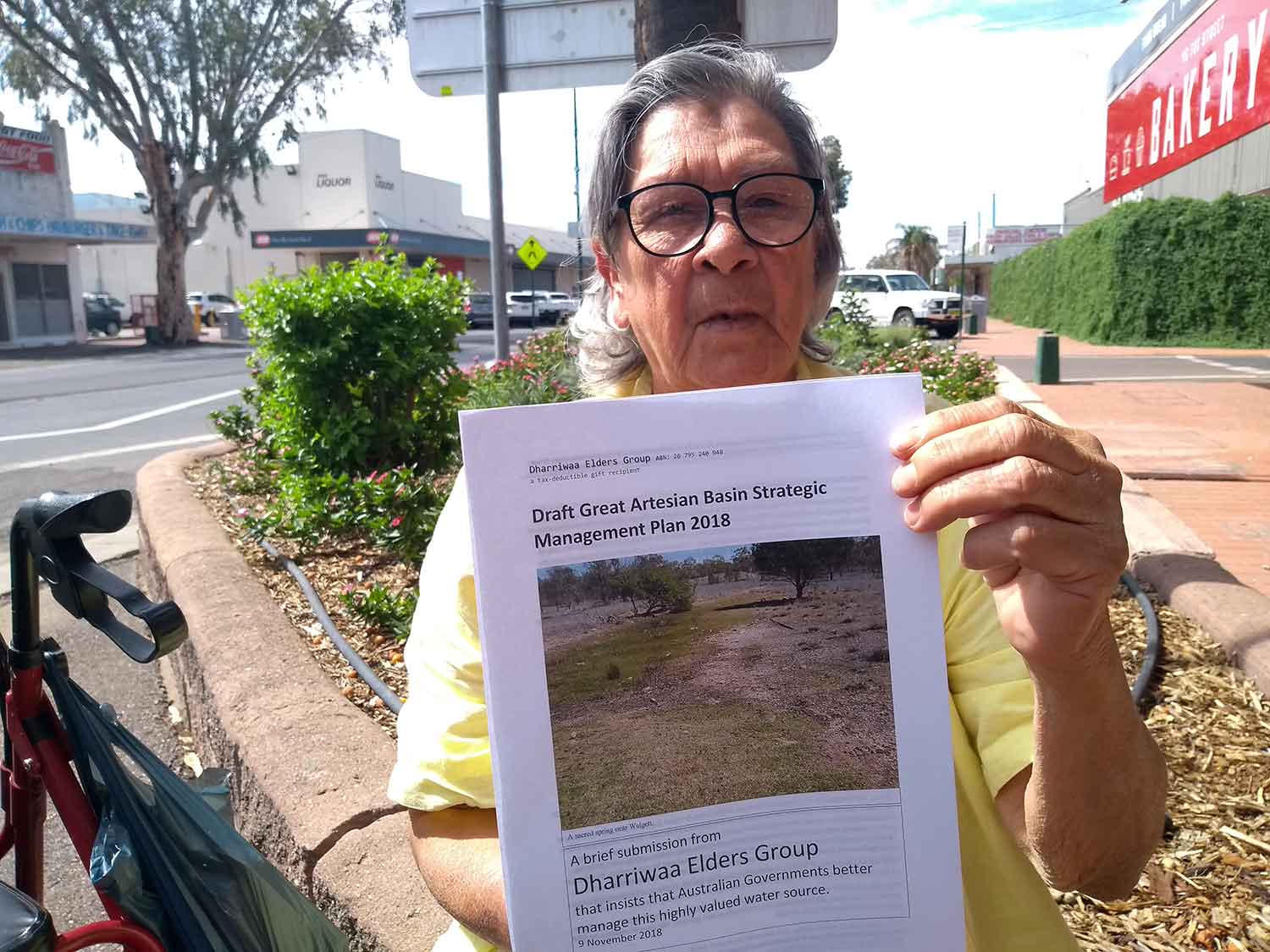
Dharriwaa Elders Group secretary Virginia Robinson said the NSW government must immediately return the town's reverse osmosis water treatment plant, a facility which has been offline since September 2020.
"We need a multi-agency taskforce to improve Walgett's water quality and security comprising local, state and national agencies, drinking water experts and local ACCOs," Ms Robinson said.
"We are calling for a taskforce led by an independent expert who is endorsed by Walgett Aboriginal Community Controlled Organisations."
Compounding high sodium levels, Walgett's water supply is not fluoridated.
Ms Robinson said the Walgett Shire Council must be supported to rectify that and improve monitoring of water quality and maintenance of water infrastructure.
"These threats to our public health would not be tolerated in Sydney so why is it acceptable that we have to live with them in Walgett?," she said.
Program Lead of The George Institute's Aboriginal and Torres Strait Islander Health Program Keziah Bennett-Brook said water and food insecurity in Walgett was at unacceptable levels.
"The findings from the community survey paint a clear picture of why we need to work in partnership with Aboriginal community members and organisations to bring together local knowledge and leadership with best evidence around what is needed to address the unacceptable levels of food and water insecurity being experienced in Walgett," Ms Brook said.
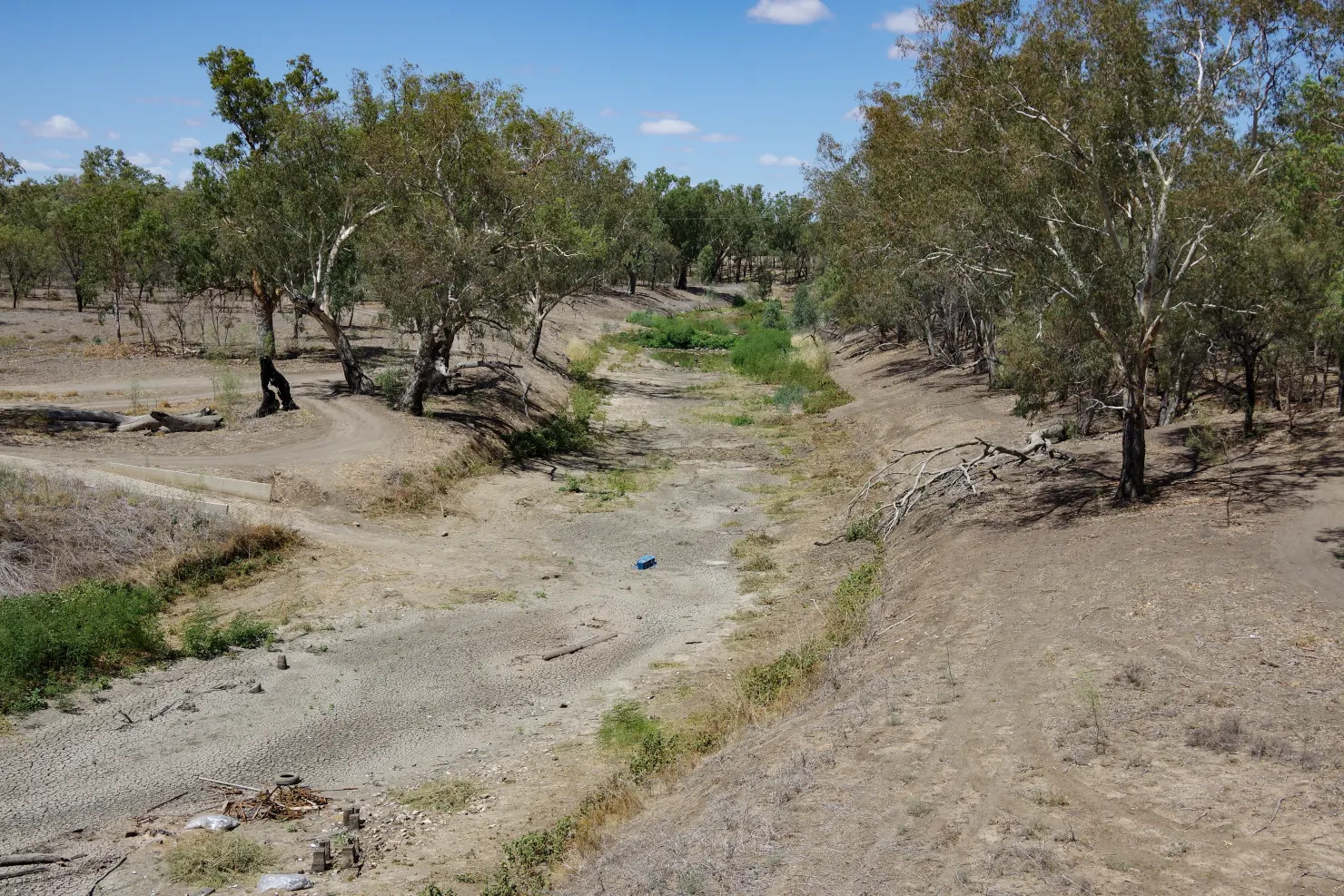
Walgett's water quality issues began in 2018 following after drought stopped the flow of the Namoi and Barwon rivers, leading the town to rely on high-sodium bore water from the Great Artesian Basin.



