




Seven current AFL and AFLW stars have received the league's inaugural scholarships aimed at backing them as First Nations leaders in football, and supporting their career pathways post-retirement.
Brisbane Lions Ally Anderson and Charlie Cameron, Geelong's Jack Martin, Hawthorn's Jarman Impey, North Melbourne's Jy Simpkin, Saints veteran Brad Hill, and Gold Coast's Jy Farrer are those recognised with First Nations Player Leadership Scholarships.
It offers each $25,000 alongside a 12 months program, including individual learning opportunity in line with their post-playing plans, a tailored AFL secondment opportunity focused on technical expertise, attend First Nations player gatherings and AFL activities, and networking with their fellow recipients.
Regular engagement with AFL leaders is flagged as another aspect, with first meeting with AFL chief executive Andrew Dillon the league's First Nations Advisory Committee set for this month.
It's the first initiative delivered out of the AFL's First Nations Impact Fund, announced earlier this year ahead of Sir Doug Nicholls Round.
The scholarship was announced in July.
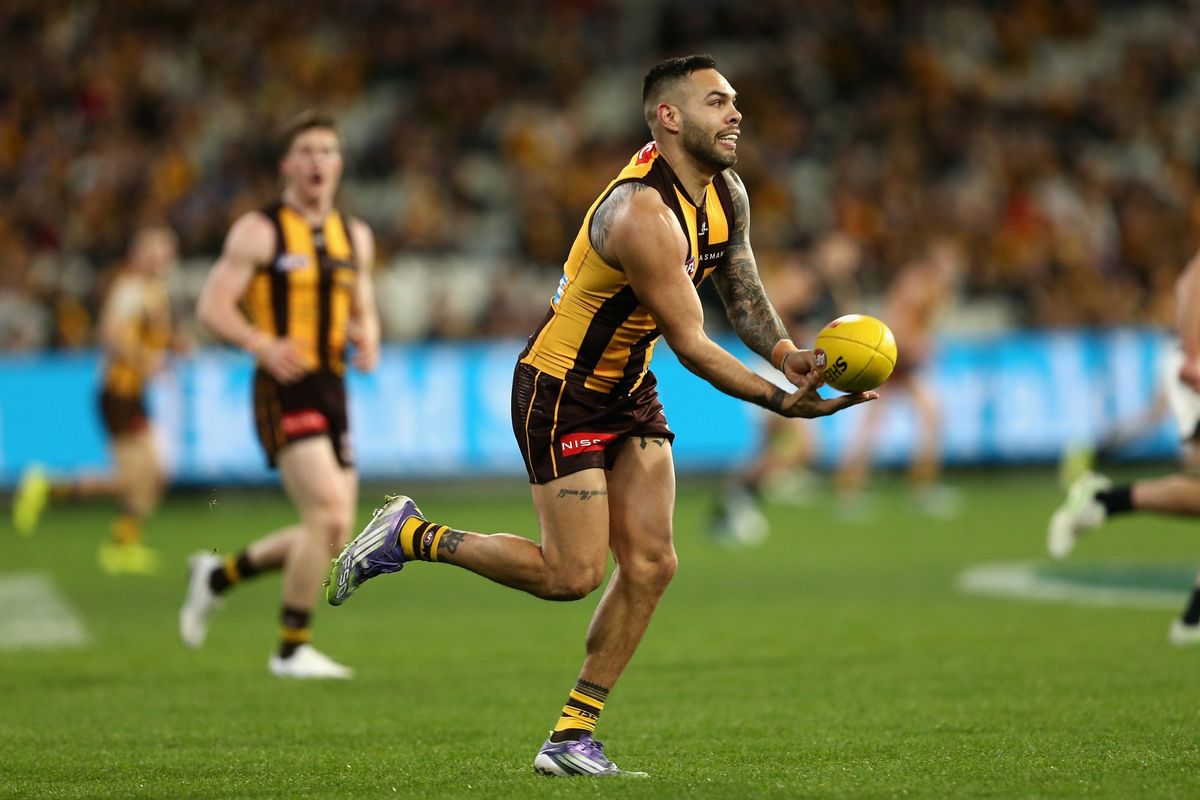
Impey said he was incredibly honoured to be among the inaugural recipients.
"As a proud Yorta Yorta man, I am passionate about giving back to the First Nations community. Having been in the AFL industry for 13 years, I look forward to building on my knowledge while also gaining valuable learning and development experiences which I can take back to Hawthorn and my community," he said.
The Hawks defender is already widely recognised as a First Nations leader within the game.
The scholarship was intended to identify senior players across the competition.
"I'm really grateful to receive the First Nations Senior Players Scholarship and for the opportunity to continue developing myself both on and off the footy field," Lions AFLW midfielder Anderson said.
"It's exciting to see the AFL investing in First Nations players and creating pathways for us to use our experiences and leadership to make a positive impact on the game and the wider football community into the future."
%20-%20AAP:RICHARD%20WAINWRIGHT.jpg)
AFL general manager of First Nations engagement and inclusion Taryn Lee said the program recognises "existing excellence and leadership of First Nations players now and in the future" saying each player selected "demonstrated outstanding leadership within their clubs, communities and across the broader game".
The scholarship is intended to be an 'investment' in their future careers and contributions to football, she added.
"The First Nations Impact Fund was established to create meaningful opportunities for First Nations people, and this program is an important first step in delivering on that commitment."
A First Nations Coaching Scholarship Program, open more broadly to people involved in football from the community to elite level, was also announced in July.
The league's Impact Fund promised annual investment of around $300,000, also reinvesting Sir Doug Nicholls Round revenue, for growth and engagement of First Peoples, with club involvement.
The wider First Nations Strategy has KPIs including increasing Indigenous representation at the top level to 81 AFL and 29 AFLW players by 2030, backing employment of First Nations people across all levels of the industry, including key roles, and reducing experiences of racism and discrimination in the game.
On the First Nations Player Leadership Scholarships, Dillon said: "Whether it is the excellence we see on the field, the leadership demonstrated on and off the field, or the influence First Nations people continue to have on the future of football, our game is better when First Nations players are thriving."
"These scholarships recognise seven outstanding leaders who are already making a meaningful impact and will provide further opportunities to develop their leadership capabilities and career aspirations beyond football," he added.
"Most importantly, this cohort will play an active role in helping inform the future direction of our game and ensuring First Nations perspectives continue to be represented in important conversations across football."



