




Located behind Barangaroo's dinning and residential precinct is Barangaroo Reserve, a peaceful six-hectare parkland boasting more than 75,000 native Australian trees on a recreated harbour headland facing the Harbour Bridge.
Named after Barangaroo, a Cammeraygal woman from the north shore of the harbour who was an influential figure during the early days of European colonisation, the parkland area was traditionally used for fishing and hunting.
Fast forward to today and the city of Sydney is now offering Aboriginal Cultural Tours of the local Barangaroo area.
Led by a team of Aboriginal educators, the guided tours have been created for participants to immerse themselves in the native history of Warrane (Sydney Harbour) and the importance of the land to Australia's Aboriginal heritage and its significance to the clans of the Eora Nation.
Taking in the 75,000 native Australian trees and shrubs that are a feature of the Reserve, the Aboriginal Cultural Tours extend throughout the six-hectare headland of Barangaroo Reserve, known as the only public space in Sydney to boast this variety of native flora. The tour is ideal for those with a green thumb.
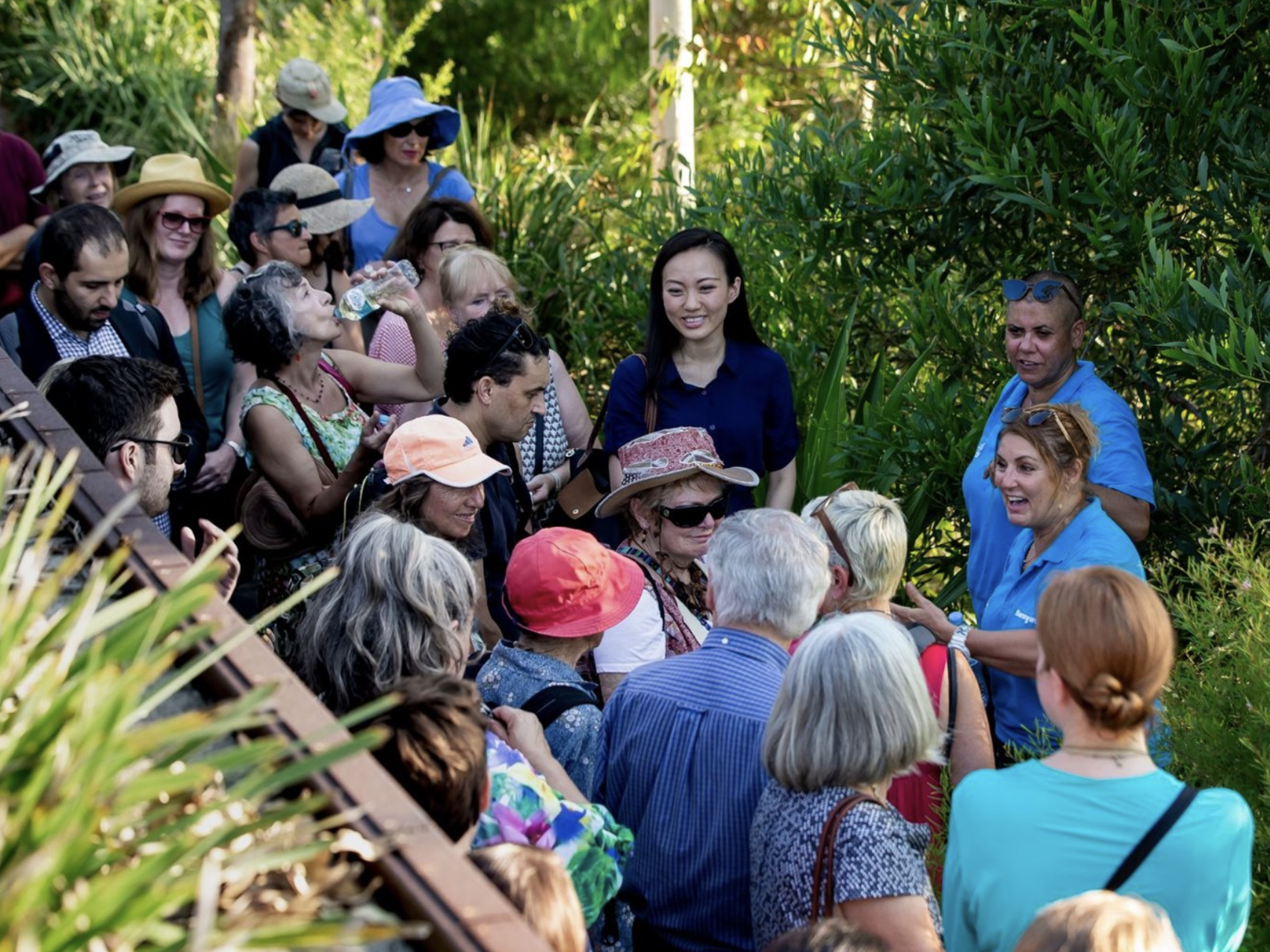
Running for 90 minutes daily from Monday to Sunday, the cultural tour reveals stories about the legendary fisherwomen of the Eora nation, who took to the waters of Warrane (Sydney Harbour) in bark canoes catching fish using crescent-shaped shell hooks known as bara.
Filled with an educational array of Aboriginal history and traditions, the team of Aboriginal educators lead the tour by demonstrating how some plants were used for fire and others for making soap. Tour guides also go on to discuss how indicator plants, such as the Gymea lily, would herald the arrival of migrating whales.
A typical highlight of the tour is a demonstration of tools traditionally used by women – a dilly bag for gathering food; a possum pelt-lined baby's cradle; and a sturdy digging stick for collecting honey, yams or, occasionally, hitting an unwanted suitor over the head.
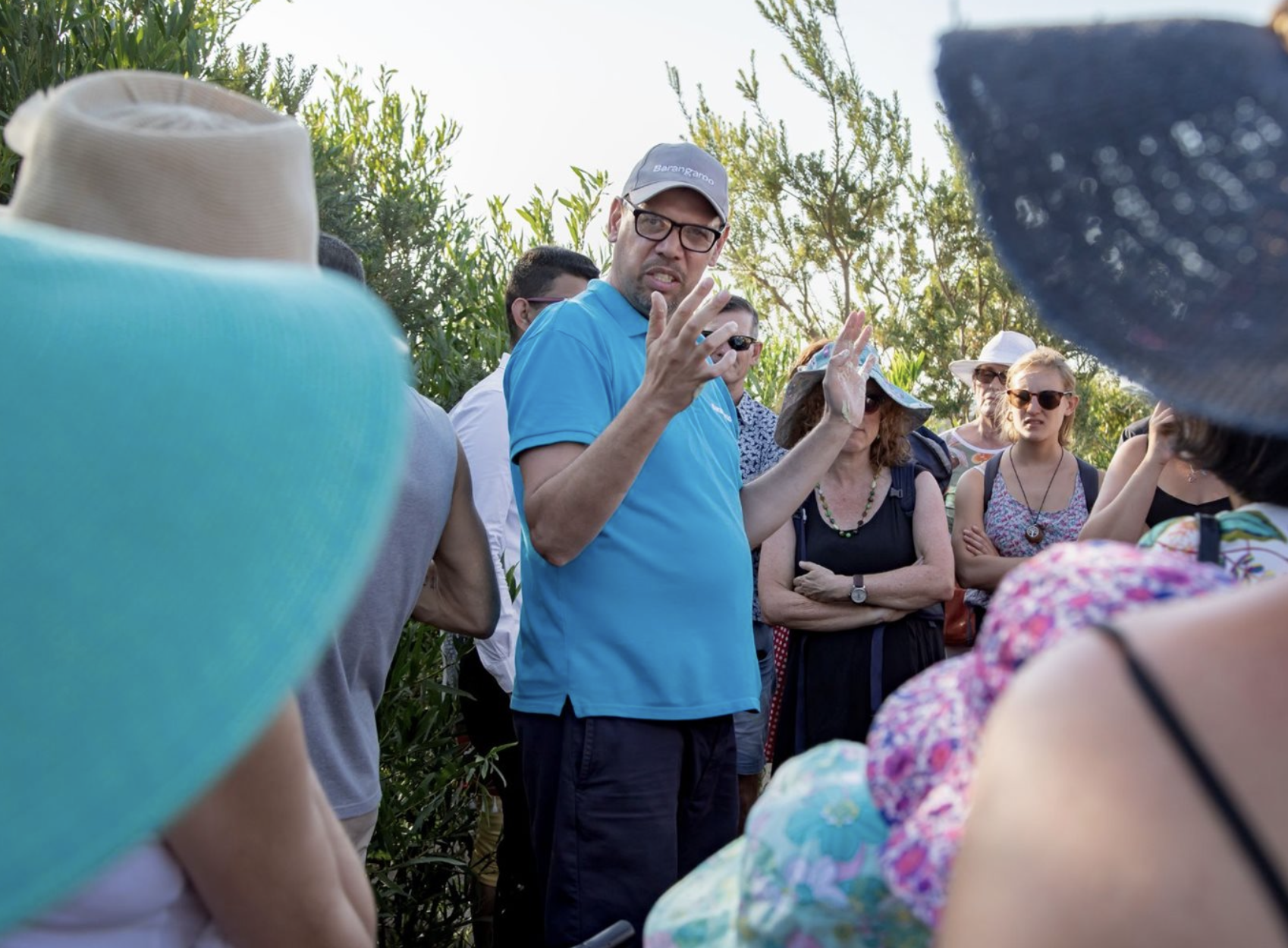
Whilst tour prices do vary depending on age, the activity has been designed for all age groups to engage in and enjoy. Barangaroo is a place of spiritual and cultural significance, and this tour supports communities coming together and acknowledging First Nations culture.
Whilst photography is welcomed during a tour experience, filming or audio recording of tour content without prior consent is strictly prohibited.
For more fashion, beauty and lifestyle news subscribe for free to the Style Up newsletter.



