



What are the Boundary Streets?
Queensland's Boundary Streets are more than just names on a map.
They are remnants of a colonial past marked by segregation and control.
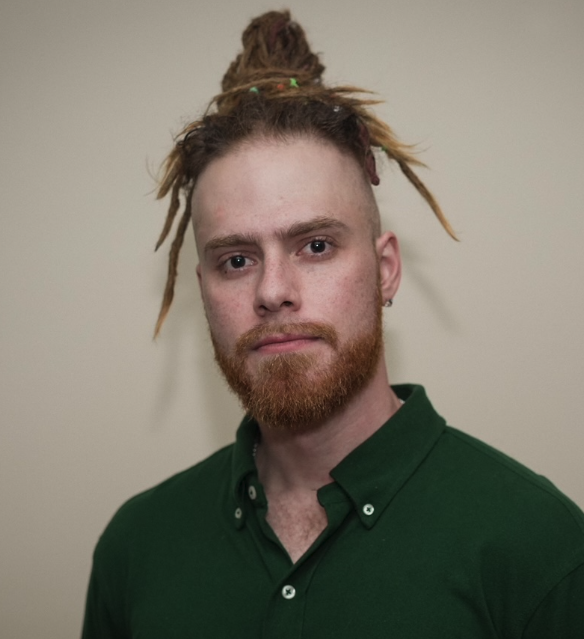
Respected Wangerriburra and Birri Gubba man elder Sam Watson once said the boundary streets serve as a reminder of Brisbane's past.
"That name [Boundary Street] is written into the blood of our people," he said.
"To remove that name would be washing away the blood and history of our people."
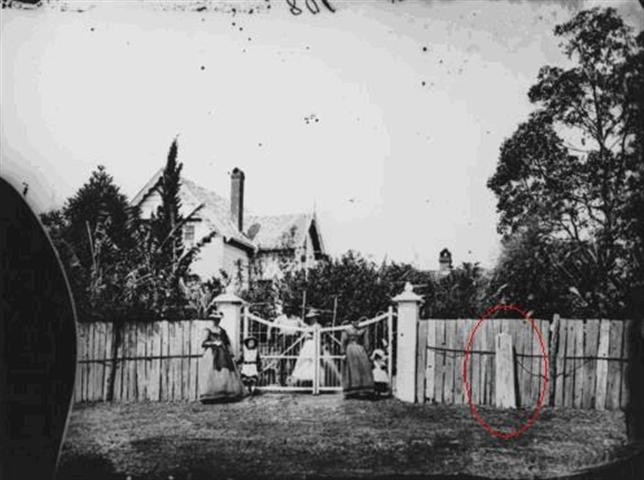
In the 19th century, these streets were physical and symbolic barriers, enforcing curfews on Aboriginal people.
Indigenous Australians were forced out of urban centres by 4pm each day, with stricter bans on Sundays.
The Boundary streets in Brisbane were formed between West-End and Spring Hill.
Mounted police patrolled these lines, using intimidation and violence to ensure compliance.
"Mounted police would use bull whips to move blacks out of the area," Mr Watson said.
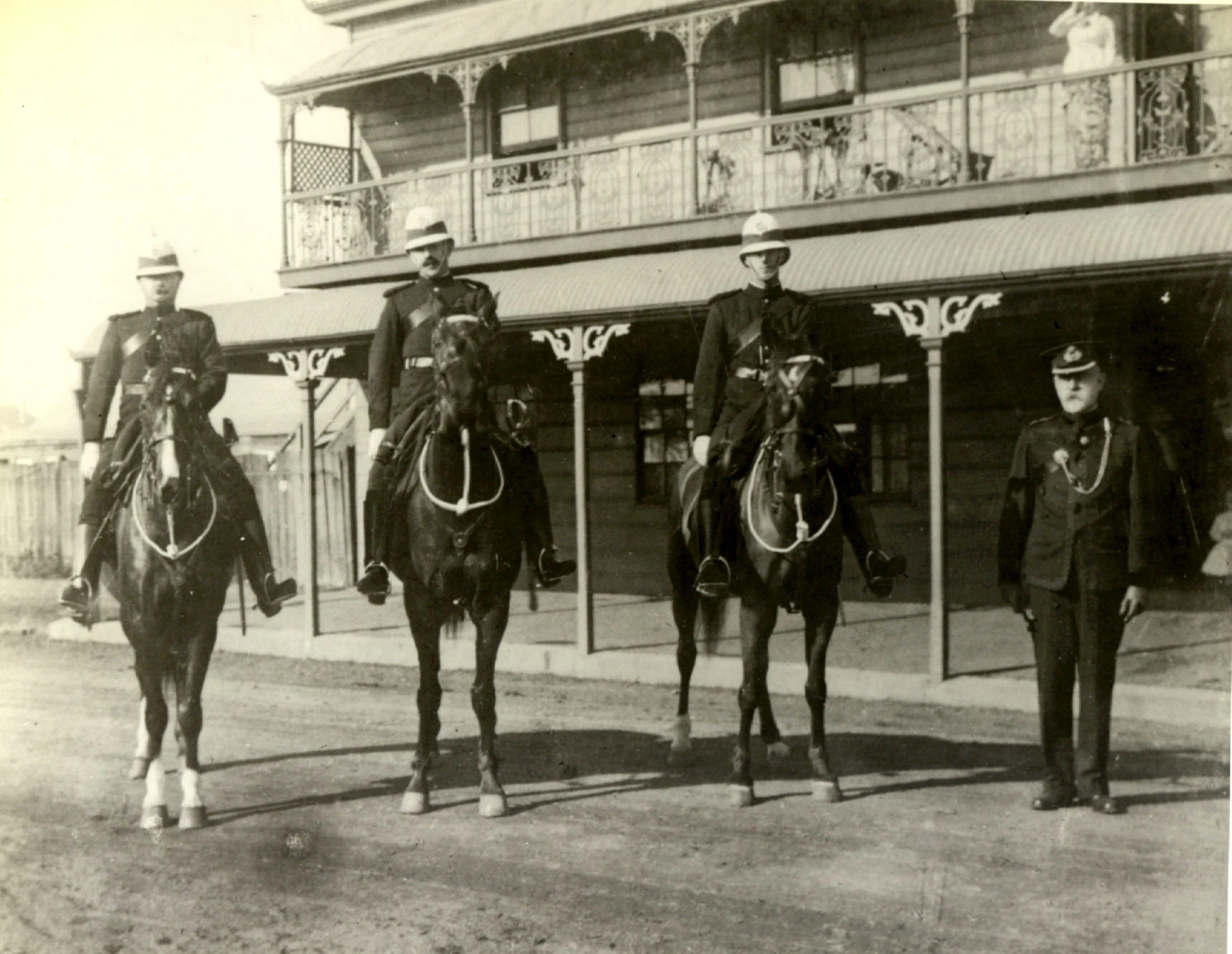
These streets delineated where Aboriginal people were allowed to exist and where they were forbidden.
Similar streets appeared in other cities like Toowoomba and Townsville, marking the geographic exclusion of Indigenous people across Queensland.
Why were they put in place?
The Boundary Streets were tools of systemic racism designed to maintain colonial control.
They represented an era when Indigenous Australians were considered trespassers on their own land.
Historian David Hunt described Queensland's policies as particularly harsh, with curfews and segregation laws aiming to erase Indigenous presence from public spaces.
"Places such as Musgrave Park and the Woolloongabba cricket ground were places where the mounted police would drive Aboriginal people to keep them away from the white exclusion zone," Mr Watson said.
This practice was not unique to Brisbane, though Queensland's enforcement of such policies was among the most severe, reflecting a deeply ingrained fear and prejudice toward Indigenous people.
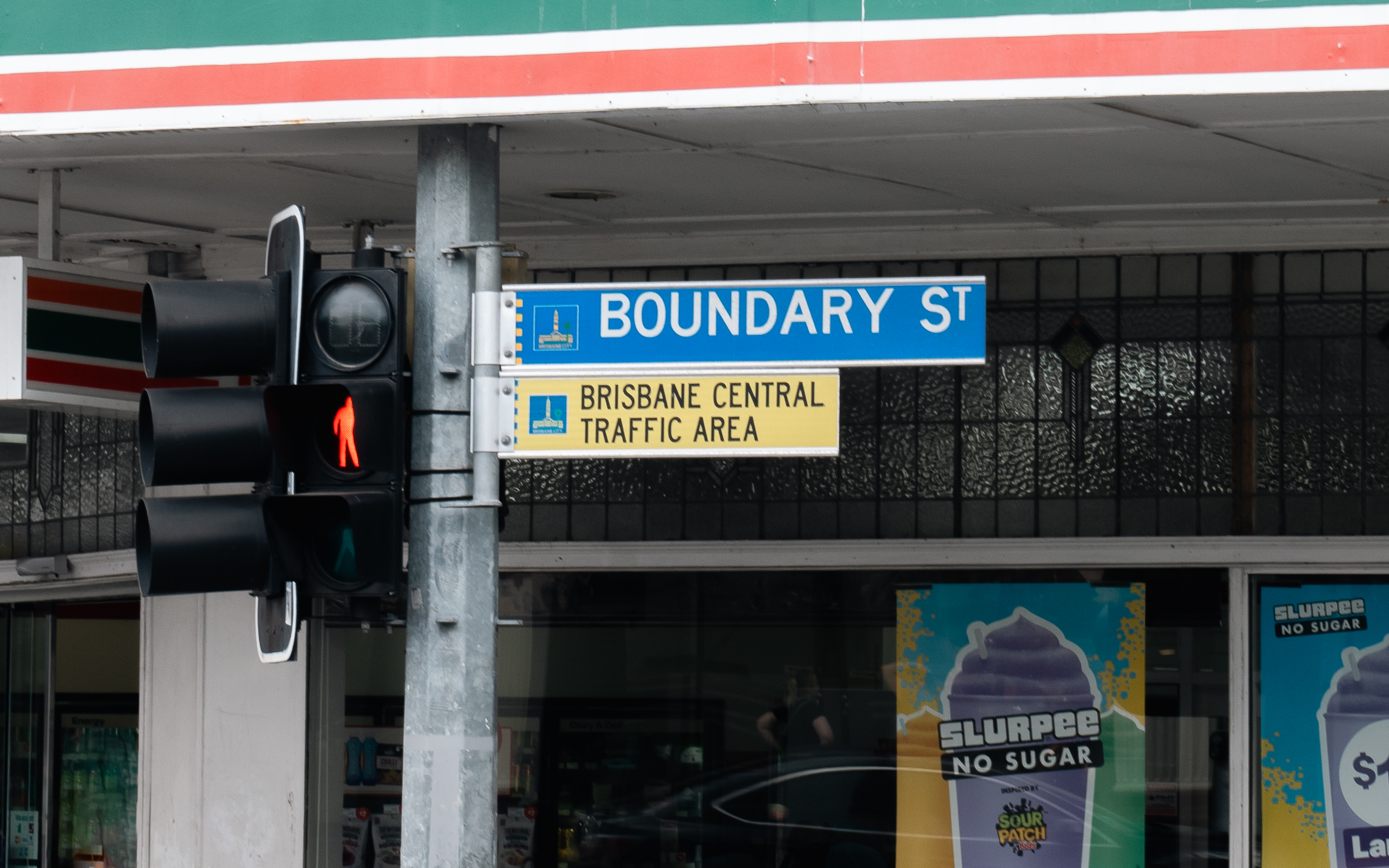
While the physical boundaries of the past have disappeared, the societal divisions they created still stand.
Racism continues to shape the experiences of Aboriginal and Torres Strait Islander people in Queensland.
The rejection of the Voice to Parliament referendum and recent legislation such as the Queensland Government's 'Adult Crime, Adult Time' campaign highlight the persistence of systemic inequality.
Critics of the campaign argue that it will disproportionately incarcerate young Indigenous Australians.
Aboriginal and Torres Strait Islander Social Justice Commissioner Katie Kiss has warned these reforms "risk exacerbating the overrepresentation of First Nations children in the criminal justice system".
"The impacts will be significant and disproportionate," she said.
Adding to the concerns, the recent scrapping of the Queensland Truth-telling Inquiry by the state government has drawn widespread criticism.
This inquiry was seen as a vital step in addressing historical injustices and fostering reconciliation.
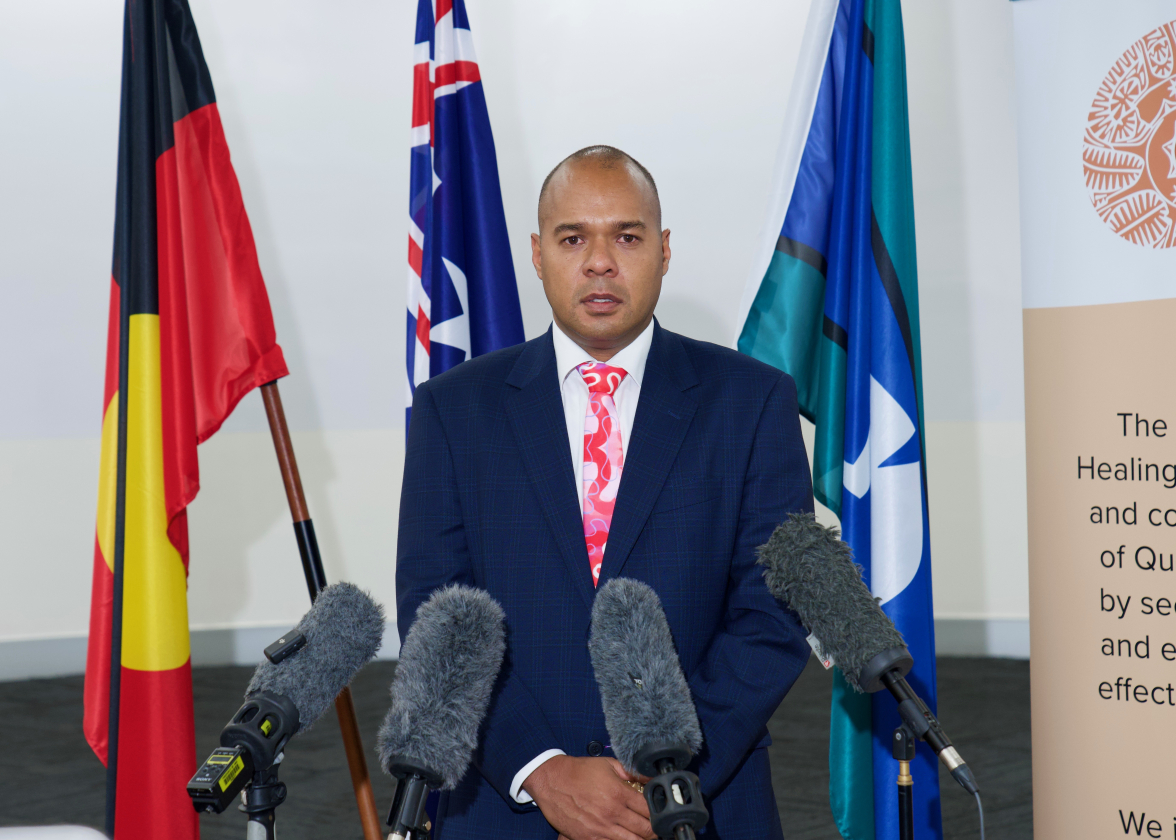
Queensland's Truth-telling and Healing Inquiry chairperson, Joshua Creamer expressed his disappointment with the QLD Governments decision to scrap the inquiry.
"It's disappointing; you'd expect better leadership out of someone who's talking about respect and decency," Mr Creamer said, referring to the recently elected LNP Government.
"As Aboriginal and Torres Strait Islander people, we deserve better. We deserve the best and equal to what everyone else receives."
Its abrupt termination has left many Indigenous leaders questioning the government's commitment to truth and justice.
Reflections from Indigenous leaders
Indigenous leaders have called for greater recognition of this history as a step toward reconciliation.
"You shouldn't sanitise history or conceal history as it should be there for people to know about," Mr Watson said.
In 2016, activists symbolically altered street signs in West End, replacing Boundary Street with 'Boundless Street'.
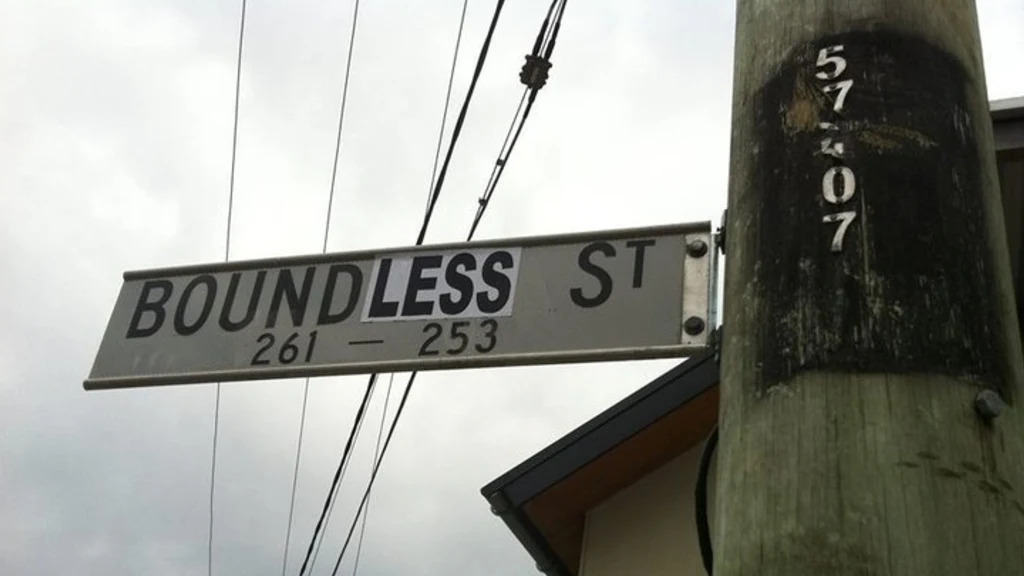
This act was a call for change, urging Australians to embrace inclusivity and challenge historical injustices.
Quandamooka woman and Shadow Minister for Closing the Gap and Reconciliation, Leeanne Enoch echoed this sentiment.
"We shouldn't pretend Brisbane's racist history didn't happen," she said.
"Acknowledging this past is essential to achieving true reconciliation."
Moving beyond the boundaries
Understanding Queensland's Boundary Street history is crucial in addressing contemporary issues, from over-policing to underrepresentation in political decision-making.
Efforts to educate the public about the significance of these streets are growing.
By preserving their history and recognising their impact, Queensland can begin to address the inequalities that persist.
Activists, educators and community leaders continue to work toward a future where these boundaries no longer define the lives of Aboriginal and Torres Strait Islander people.
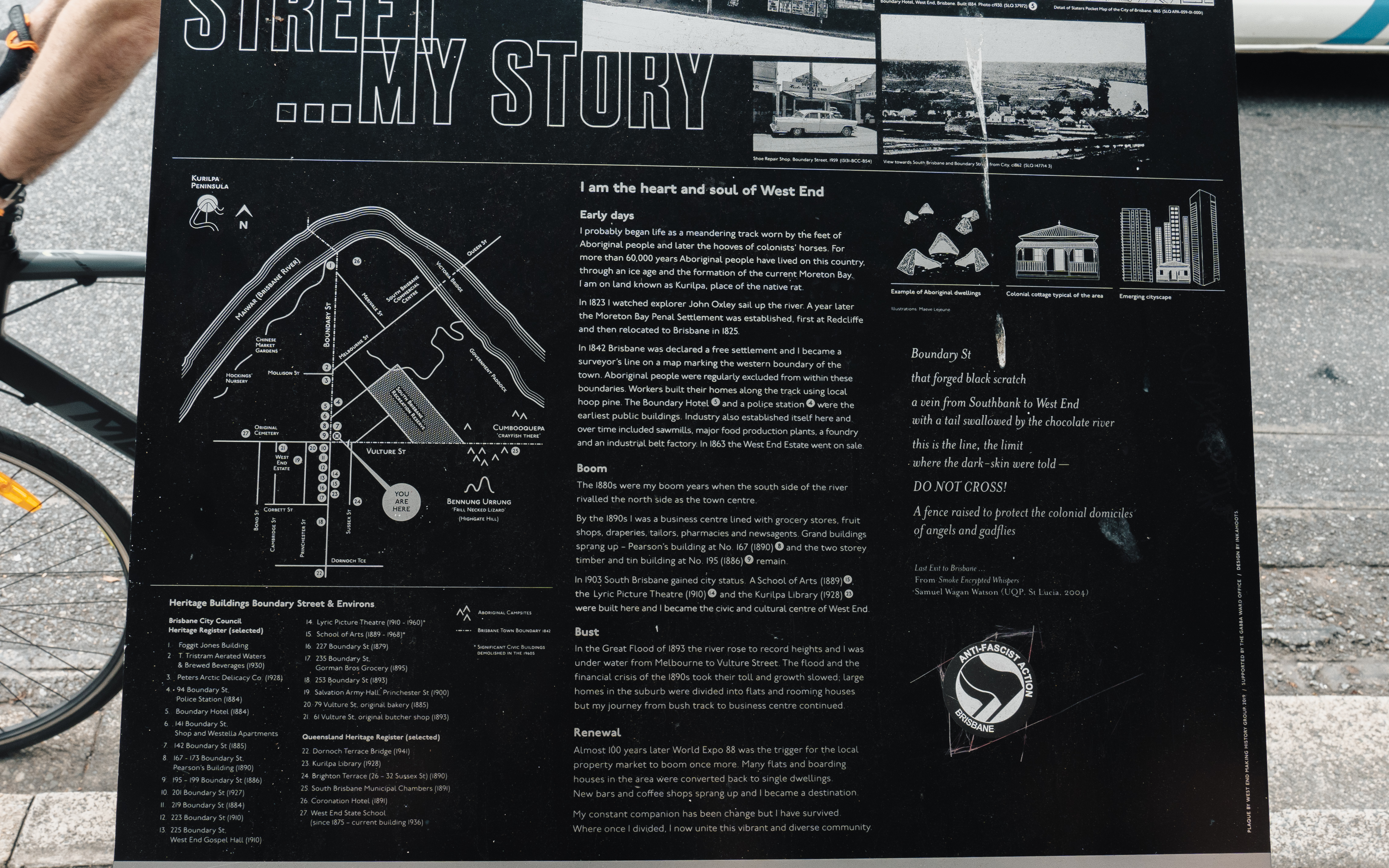
As Queensland grapples with its history, the Boundary Streets stand as powerful reminders of a need for change.
They call on all Australians to reflect on the past and commit to a more inclusive future.
Addressing systemic racism requires confronting uncomfortable truths, such as the history of the Boundary Streets, and making meaningful efforts to bridge divides.
Sam Watson's vision for the future offers hope.
"I think people need to be aware of the history, but I personally would not support a changing of the name," he said.



