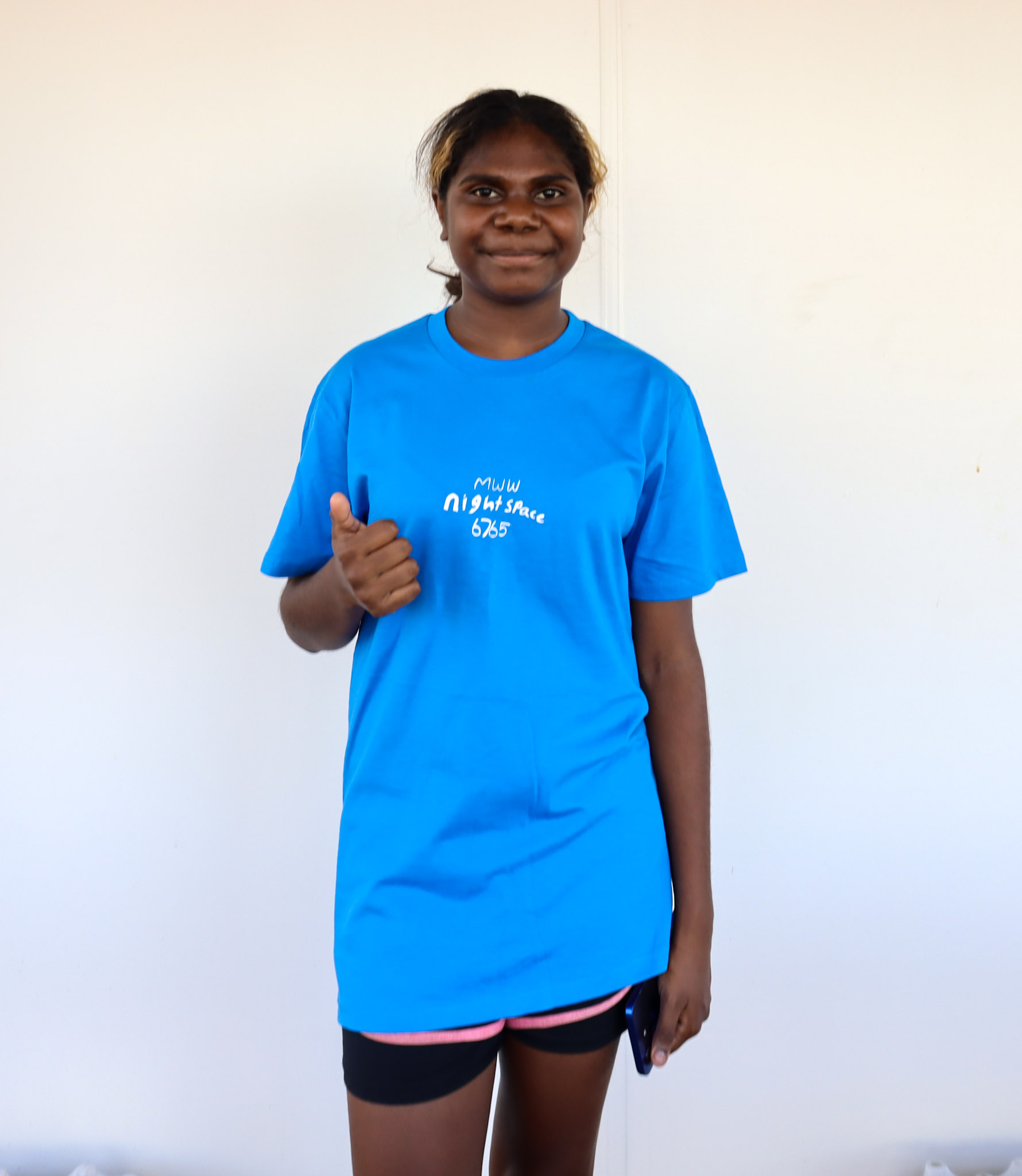

While Kununurra youth crime is in the spotlight, in Fitzroy Crossing - another town in WA's Kimberley region - children's laughter drifts through the Marra Worra Worra Aboriginal Corporation's Night Space - a youth hub that MWWAC director Patrick Green calls a "home for the town's kids".
The smell of home-cooked food lingers as Elders swap stories around long tables, a gathering that feels more like a family barbecue than a celebration marking one year of the Night Space.
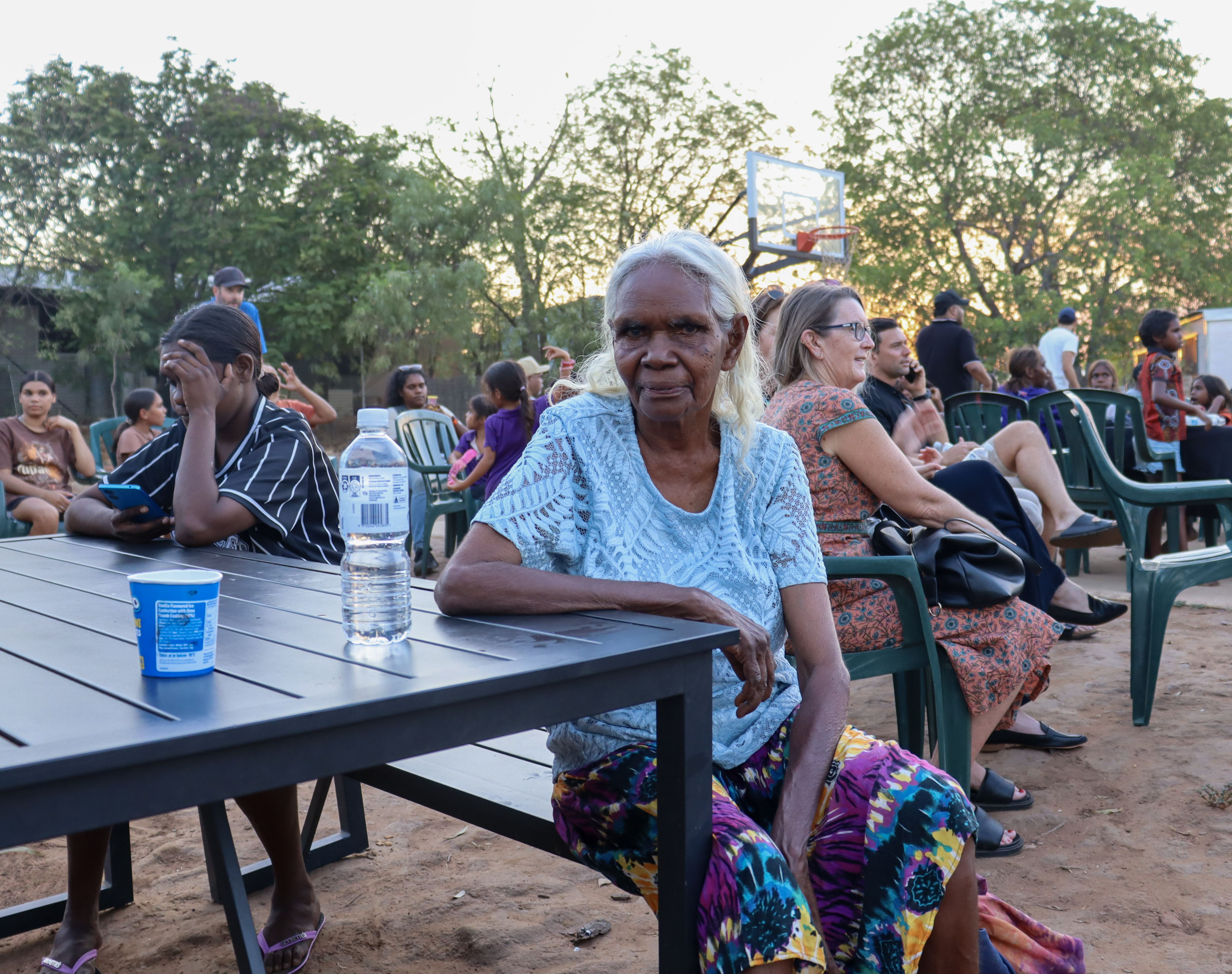
In its first year, the Night Space has offered Fitzroy Crossing's children warm meals, showers, mentoring and help reconnecting with school and services, with its impact rippling far beyond its walls.
The kitchen has served more than 25,000 meals and engaged nearly 700 young people.
Fitzroy Crossing Senior Sergeant Mark Howes said youth crime has declined significantly since the Night Space began operating 12 months ago.
"When I say youth crime, I'm really talking about burglaries and stolen motor vehicles," Sergeant Howes said.
"I think the Night Space has played a really important part in helping those crimes reduce, because it's giving young people a good place to go at night. They're around really good people. The staff down there are amazing."
One of those staff - youth connection program officer, proud Bunuba, Walmajarri, Gooniyandi, and Martu woman Kahlia Rogers - said she had worked with children who re-enrolled in school after attending the Night Space.
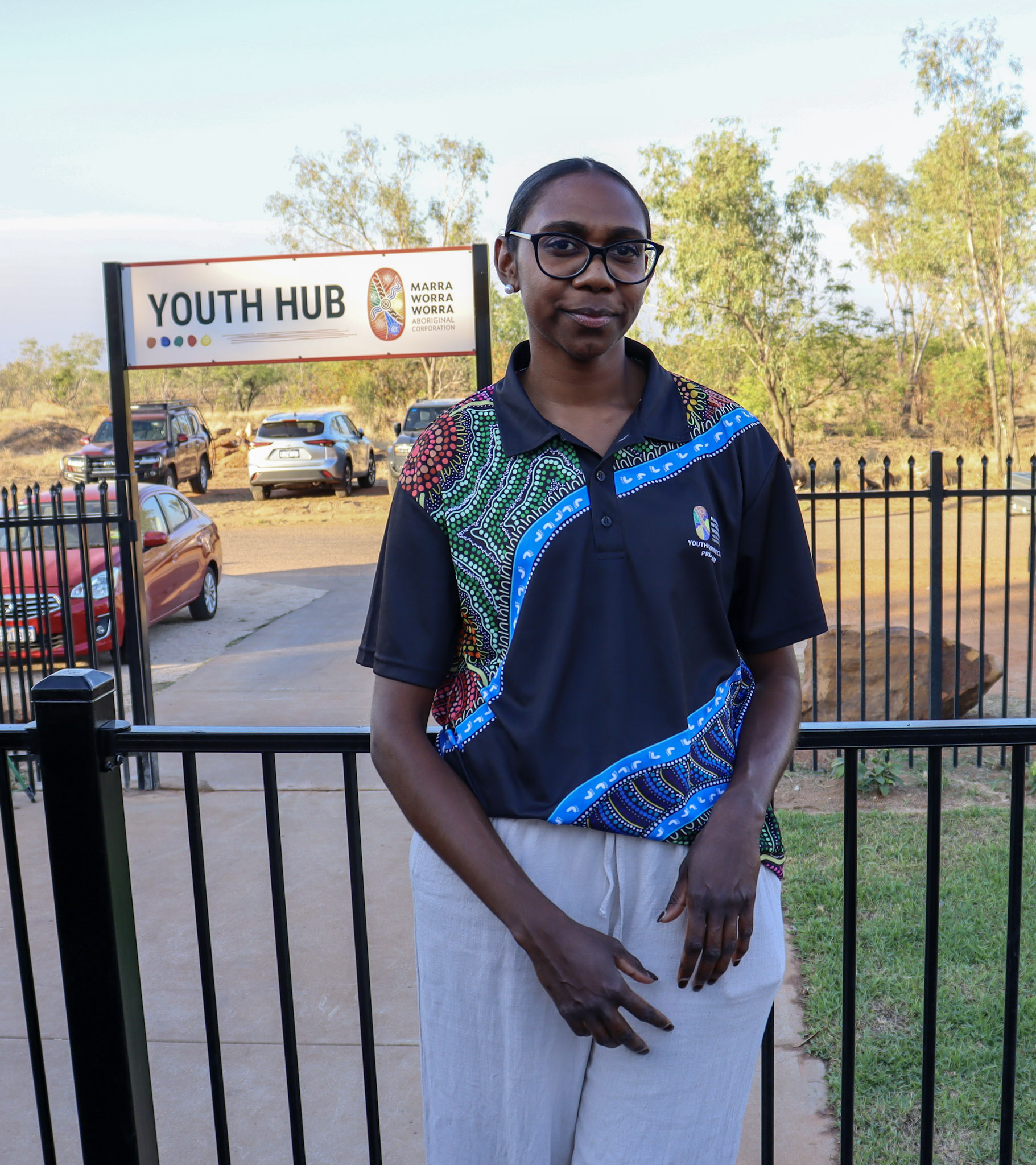
"We have kids come in who have been walking around the street and they can come to the Night Space knowing they will have really nice food and people to look after them," Ms Rogers said.
"I've seen lots of kids come through the Night Space that want to go back to school - it's been really good for Fitzroy Crossing."
The Night Space's success has generated political praise amid a recent spike in youth crime in Kununurra, in the Kimberley's east.
More than 20 children - some as young as 10 - have been arrested in Kununurra over the past week, accused of a string of car thefts, burglaries and dangerous driving offences.
The arrests followed a surge in youth crime that prompted extra police to be deployed to the town.
WA Department of Communities Director General Mike Rowe described MWWAC's Night Space as a model for community-led youth crime prevention, saying similar approaches could help towns like Kununurra.
"That's an opportunity for young people to come to a safe place at night if they don't feel safe at home," Mr Rowe told the ABC.
Premier Roger Cook echoed the sentiment, telling media on Thursday that "programs such as in Fitzroy Crossing are really showing great promise".
"I want to replicate those sorts of programs which are about keeping kids safe, particularly at night," Mr Cook said.
Yet despite the praise, the Department of Communities has never funded the Night Space - even after MWWAC appealed for support.
According to MWWAC, Communities advised that the program was classified as a youth-justice diversion initiative, with funding to come instead from the Department of Justice and WA Police.
However, the Night Space's services - providing food, showers, mentoring and help reconnecting children with school and social supports - align more closely with the Department of Communities' own remit.
MWWAC says it also regularly caters to children who have had no interaction with the justice system, including some as young as three to eight years old.
The Department of Communities did not answer questions about why it does not fund the Night Space.
"The State Government has committed $5.9 million to establish the Kununurra Night Space as soon as possible, to provide a safe place for young people in town. It will be modelled on successful Night Space initiatives in Broome and Fitzroy Crossing," a Department spokesperson said.
Follow up inquiries about the Department of Communities supporting the Night Space in Fitzroy Crossing received no answer.
While Fitzroy Crossing's Night Space has been funded under the Department of Justice's youth-diversion stream, comparable metropolitan and regional services sit with the Department of Communities.
In Perth, Communities funding supports Vinnies' Passages Youth Engagement Hub, a drop-in space with meals, amenities and referrals.
In Albany, the department has provided youth-engagement grants to AYSA, which operates a free drop-in youth centre for 12- to 25-year-olds.
The difference in departmental funding raises a policy question about why remote Aboriginal wellbeing hubs are treated as justice interventions, while similar metro and regional supports fall under community services.
Dr Hannah McGlade, a proud Bibbulmun Noongar woman and human rights expert, criticised the Department of Communities' lack of investment in the Night Space compared to other programs it funds.
"It appears discriminatory and suggests an abandonment of responsibility for Aboriginal children," Dr McGlade said.
"What the Night Space offers - food, Aboriginal mentorship, a safe home-like place for children who might be facing violence at home - is exactly what we need in our communities."
The law academic also pointed to the high rate of Aboriginal child removals in Western Australia as further reason for the department to invest.
A 2025 Human Rights Watch report found that Aboriginal children in WA are more than 20 times as likely as non-Indigenous children to be living in out-of-home care and now make up nearly 60 per cent of all children in care in the state.
"We need culturally appropriate investments for Aboriginal children - children's safe houses and support services are clearly within the Department's remit," she said.
"These would reduce removals and help mothers caring for their children. It's a win-win.
"We're sitting on a budget surplus of billions from mining royalties, yet we're depriving the most vulnerable people - Aboriginal children - of critical investment."
As thirteen-year -old Josecia Quilty stands on the Night Space's verandah scanning the afternoon light's rose dotted basketball court, she says she has loved living in Fitzroy Crossing since the opening of the night space.
Showing the shift community led change can make to everyday life for its children.