



The operator of the world's largest hard rock lithium mine has signed a cultural heritage agreement with the Traditional Custodians of the land it mines, more than a century after mining began at Greenbushes.
Talison Lithium signed the Noongar Cultural Heritage Agreement with Karri Karrak Aboriginal Corporation, which represents the Wardandi, Pibelmen and Kaneang Traditional Custodians of the region, in Western Australia's South West on Tuesday.
The agreement establishes a culturally governed process for heritage assessment, Traditional Custodian consultation, protection of Indigenous Cultural Intellectual Property and management of cultural heritage risks across Talison's Greenbushes Operations. It treats heritage as part of an ongoing relationship grounded in cultural authority and the principles of free, prior and informed consent.
Mining has taken place in the Greenbushes area since tin was discovered there in 1888. Over that time, opportunities for Noongar People to participate in decision making and share in the benefits generated from Boodja, or Country, have been limited.
The two parties are now negotiating a broader Mining and Cooperation Agreement covering environmental management, rehabilitation, cultural landscape protection, community benefits, land management opportunities, capacity building, benefits-sharing and long-term partnership commitments.
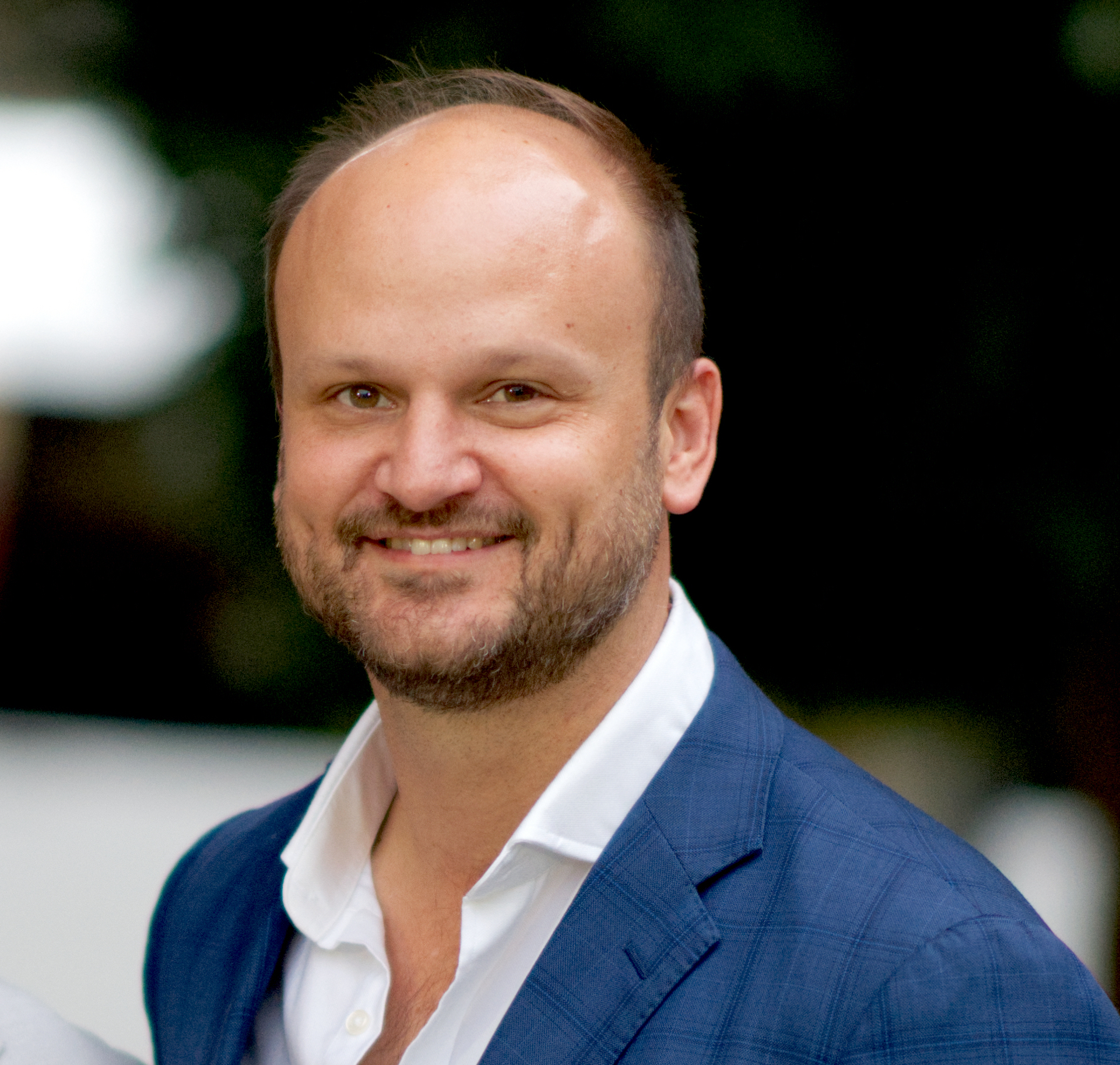
Karri Karrak Chair, Professor Stephen van Leeuwen, said the relationship was built on cultural authority, transparency and shared responsibility for Boodja.
"Collectively we are committed to protecting Noongar cultural heritage while shaping a more balanced and sustainable future for the Greenbushes region," he said.
"For Karri Karrak, this agreement strengthens our cultural authority and ensures through a genuine partnership, a shared responsibility and a commitment to fair and transparent outcomes on Boodja."
Talison chief executive officer Rob Telford said the agreement marked an important step forward in the company's relationship with Karri Karrak.
"We recognise the cultural significance of the Greenbushes area in which we operate and take that responsibility seriously," he said.
"The agreement provides a strong foundation for our ongoing relationship with Karri Karrak, and we look forward to continuing to work together as we progress the Mining and Cooperation Agreement."
Headquartered in Perth, Talison has produced lithium at Greenbushes since 1983 and supplies about 20 per cent of the world's lithium, most of it destined for electric vehicle and battery manufacturing. The company says it contributed more than $853 million to Australian governments in 2024.
Talison is a private company owned 51 per cent by Tianqi Lithium Energy Australia, a joint venture between Chinese lithium giant Tianqi Lithium and ASX-listed IGO Limited, and 49 per cent by New York-listed chemicals company Albemarle Corporation. Greenbushes ore also feeds the Kwinana lithium hydroxide refinery south of Perth, giving Western Australia an integrated mine-to-battery-chemical supply chain.
Both Talison and Karri Karrak are members of the Initiative for Responsible Mining Assurance, which sets independent standards for responsible mining, including recognition of Indigenous rights, cultural heritage protection, environmental performance and community benefit outcomes. Greenbushes is the first mine in Australia to commit to the initiative's independent audit.
Karri Karrak said it welcomed Talison's commitment to moving beyond minimum statutory compliance, and looked forward to a partnership reflecting the significance of the Greenbushes Operations, the responsibilities of Traditional Custodians and the need for fair and transparent benefits-sharing on Boodja.



