



The National Indigenous Health Leadership Alliance says the Independent Review of the National Agreement on Closing the Gap and the 2025 Productivity Commission Annual Data Compilation Report "confirm what Aboriginal and Torres Strait Islander peoples have long said: governments are not doing enough to meet their own commitments, and the gap is growing — not closing — across many critical areas".
The Productivity Commission report released Wednesday night shows that outcomes have worsened or stagnated in key areas.
The NIHLA said the report highlights that without urgent structural reform; these outcomes will persist or deteriorate.
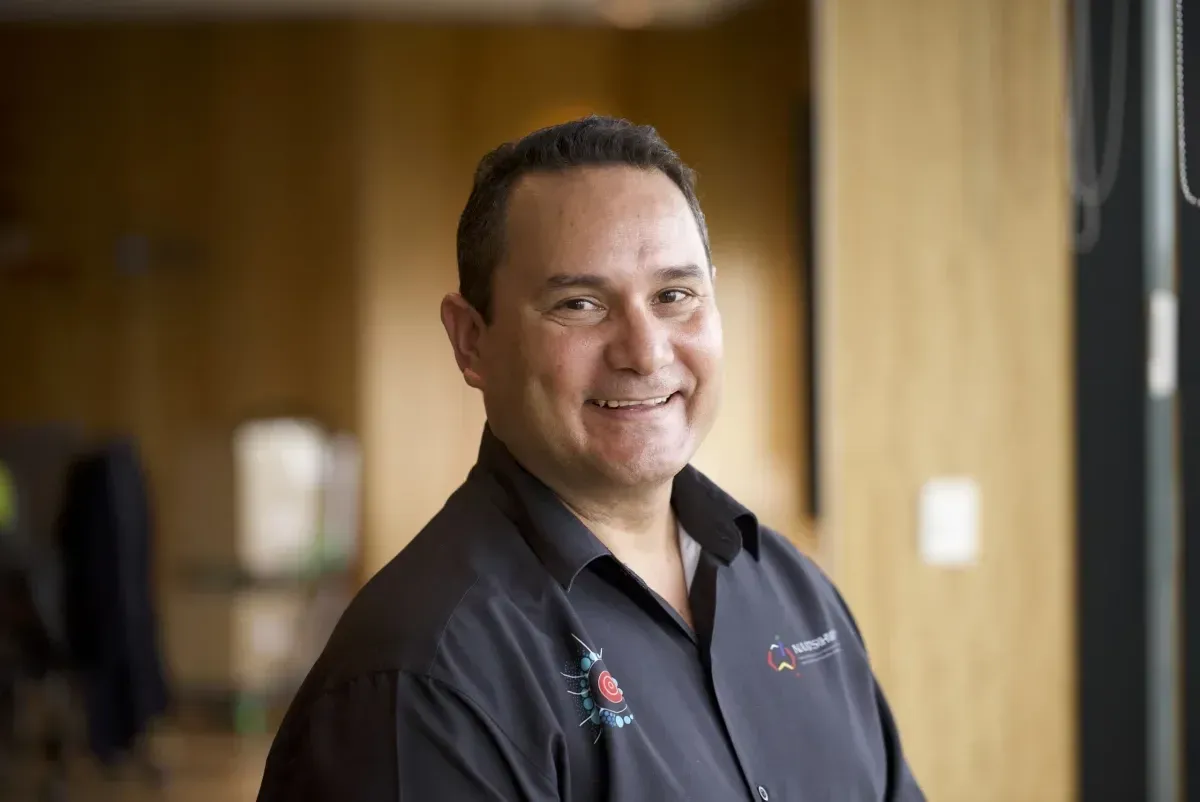
"We are seeing the consequences of government inaction; the data speaks for itself," NIHLA Chair Karl Briscoe said.
"The evidence is clear: the failure is not with our communities, but with the lack of systemic change. We cannot wait any longer. Structural reform, cultural safety, and shared decision-making must become the default, not the exception."
The NIHLA said systemic resistance to reform is the problem, noting that both the Review and the Productivity Commission report confirm government agencies are failing to implement the four Priority Reforms in full, undermining the effectiveness of the National Agreement.
Only four out of 19 targets in the National Agreement on Closing the Gap remain on track to be met by 2031, according to the Productivity Commission's new report.
Although healthy birthweights (Target 2) are improving, they remain off track. Four key targets are continuing to worsen; suicide rates (Target 14), incarceration rates for adults (Target 10), developmental outcomes for children (Target 4), and the number of children in out-of-home care (Target 12).
The Alliance said "a roadmap exists but is not being followed", noting that the National Agreement is "not aspirational; it is an operational blueprint" and that governments must implement it through long-term investment in Aboriginal and Torres Strait Islander organisations, reform of mainstream services, and full implementation of Indigenous data governance.
NIHLA stressed that success cannot depend on the efforts of only 'Indigenous' portfolios; "every department and agency must embed cultural safety, anti-racism, and genuine partnership", and that consultation is not co-design; "it is time to fund and trust Aboriginal-led organisations to lead and deliver change".
The Alliance called on the Prime Minister and Cabinet to: direct the Australian Public Service to implement the transformation elements of Priority Reform Three across all agencies; embed cultural safety, healing-informed approaches, and anti-racism in policy, funding, and workforce frameworks; and support regional and place-based partnership tables with decision-making authority and data-sharing agreements.
NIHLA also urged the federal government to embed anti-racism and healing-informed approaches across all Closing the Gap targets; and to recommit to Priority Reform Four by resourcing Indigenous-led data development, access, and governance.
"We must stop treating Aboriginal and Torres Strait Islander peoples as problems to be fixed," said Mr Briscoe.
"We are partners, with solutions grounded in culture, expertise, and lived experience. It's time to match commitments with meaningful, measurable actions."
The National Indigenous Health Leadership Alliance (NIHLA) is a partnership of Aboriginal and Torres Strait Islander health and wellbeing organisations, whose purpose is "to drive systemic and structural change of the mainstream health system, with the National Agreement on Closing the Gap, the National Aboriginal and Torres Strait Islander Health Plan, and the other health strategies such as the National Aboriginal and Torres Strait Islander Health Workforce Framework and Implementation Plan".



