


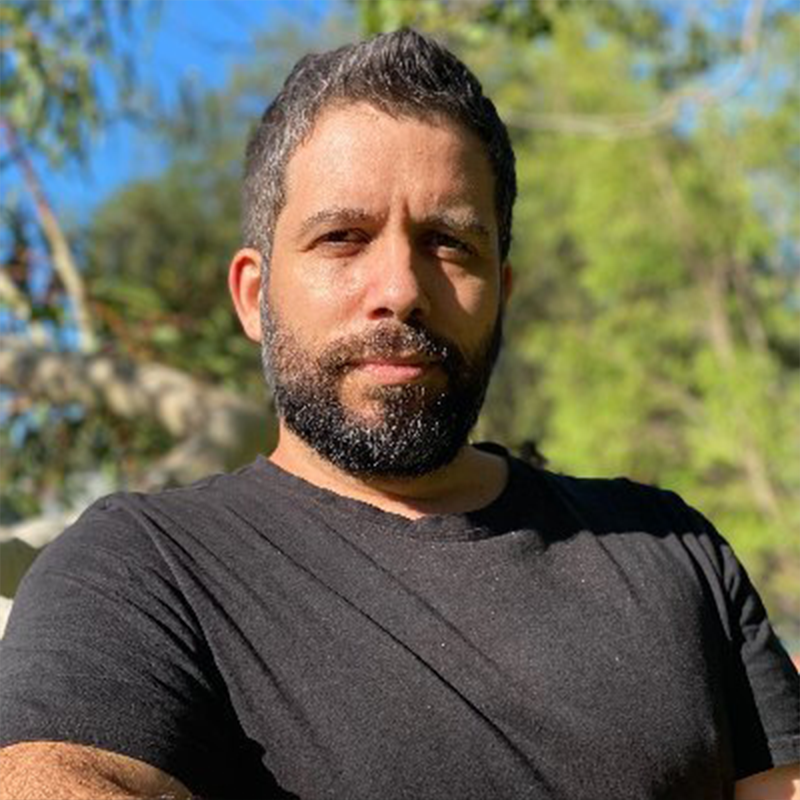

Aboriginal and Torres Strait Islander Social Justice Commissioner Katie Kiss, National Children's Commissioner Anne Hollonds, and the Official Representative to the UN Permanent Forum on Indigenous Issues, Dr Hannah McGlade, wrote to WA Premier Roger Cook urging him to reform the youth detention system two days before a child died in custody.
The letter was sent August 27 and received by the Premier on Thursday, August 29. A 17-year-old boy died in Banksia Hill from self-harm on Thursday night.
Indigenous children are drastically over-represented in WA's youth detention system.
"This is a priority issue for First Nations people, and it is critical that leaders do not succumb to a 'tough on crime' lobby which seeks to retain or introduce measures which are not evidence-based and which cause harm to our children, families and communities," the authors wrote.
The three experts noted that the four key principles underpinning a child rights approach are: Decisions are to be in the best interests of the child; Systems are to operate without discrimination in meeting human rights standards; The right to life, survival and development should be respected for each child; and the right to participate, be heard and taken seriously should be respected for each child.
Dr McGlade, Commissioner Hollonds and Commissioner Kiss emphasised that the key human rights principles are consistent with the aims of governments to reduce offending by children and young people; improve community safety and meet expected standards of justice and fairness; and provide opportunities for reintegration into families and communities.
The letter's authors referred to Commissioner Hollond's report - 'Help way earlier!' How Australia can transform child justice to improve safety and wellbeing - which was tabled in federal parliament on 20 August, which stressed the reform opportunities presented by: a focus on preventative approaches; raising the age of criminal responsibility; closing the notorious Unit 18 facility; banning the use of solitary confinement; and reforming mandatory detention laws.
"We need to turn our attention and our resources to the underlying causes, and to the barriers that stop us taking action on evidence-based systems reform. By not addressing children's human rights early on, and instead taking a punitive approach to their offending, we are essentially criminalising and dehumanising some of the most vulnerable children in Australia," the authors wrote.
Dr McGlade, Commissioner Hollonds and Commissioner Kiss noted that Article 40 of the Convention on the Rights of the Child confirms that criminal justice responses for children must be age-appropriate, proportionate, and rehabilitative.
"The principle of proportionality means that mandatory sentences of any kind, and particularly of detention, contravene the CRC. They also have a disproportionate impact on First Nations peoples," they wrote.
"Western Australia and other jurisdictions should undertake comprehensive reviews of their child justice legislation and associated policies to ensure consistency with child rights. In particular, reviews should consider provisions relating to the best interests of the child, isolation and separation in detention, bail restrictions and mandatory minimum sentencing.
"A review of all child justice related laws and policies could be undertaken as an action of the National Taskforce for reform of child justice systems."
The letter, received by Mr Cook on August 29, extended an invitation for a meeting to discuss fixing the state's broken youth justice system.



