


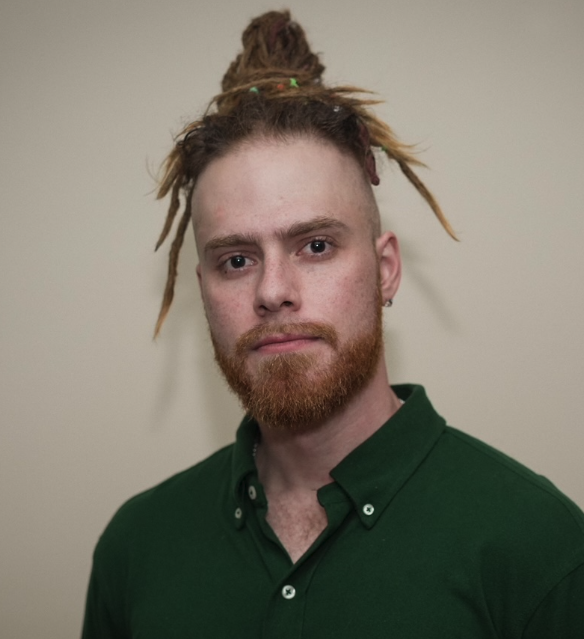

The Queensland Aboriginal and Islander Health Council has called on state and federal governments to strengthen their commitment to the National Agreement on Closing the Gap, following another year of minimal progress.
Only four of the 19 Closing the Gap targets are currently on track to be met by 2031, according to the Productivity Commission's 2025 Annual Data Compilation Report, released late Wednesday. While healthy birthweights (Target 2) have shown improvement, they remain off track. Four key areas continue to worsen: suicide rates (Target 14), adult incarceration (Target 10), child development outcomes (Target 4), and children in out-of-home care (Target 12).
Gunggandji woman and QAIHC chief executive Paula Arnol said the latest report again shows a failure to deliver the agreed priority reforms.
"This year's CTG report card remains disappointing and continues to demonstrate a lack of focus on delivering priority reforms, and the need for local practical solutions to the challenges of Closing the Gap," she said.
"It's 2025 and Aboriginal and Torres Strait Islander people are still not experiencing the health outcomes that non-Indigenous Australians enjoy. This is unacceptable.
"If we commit to these priority reforms, improvement in the targets will follow."
QAIHC said it is working with the Queensland Government to strengthen the role of Aboriginal and Torres Strait Islander community-controlled health services in improving outcomes.
"The Aboriginal and Torres Strait Islander community-controlled health organisation (ACCHO) sector is one of the oldest and strongest community-controlled sectors in Australia, with over 50 years' experience, and we know what is best for our communities," Ms Arnol said.
"We're focused on being a trusted partner, driving meaningful change, improving lives, and ensuring equity for all Aboriginal and Torres Strait Islander peoples."
Ms Arnol said data capability would be central to the sector's ability to monitor progress and lead change.
"We're currently building up our sector's data capability so our communities can better track what's working and push for real change," she said.
"Having strong data helps us create the right services, tell our own stories, and make sure we're making progress.
"It's also about data sovereignty – making sure we have control over our own information."
Ms Arnol noted QAIHC would continue to work closely with Queensland Health to drive regional change and deliver culturally safe care.
"We want to improve health outcomes, improve how our people experience our health system and ensure our sector is playing a key role in providing culturally safe care to Indigenous Queenslanders," she said.
More information can be found on the QAIHC and Productivity Commission websites.



