


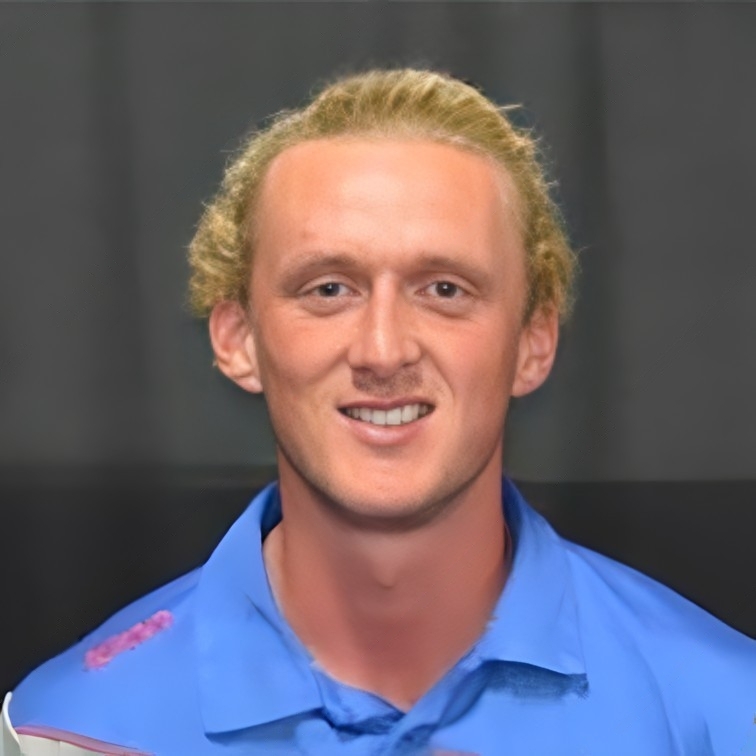

Three First Nations medical students are set to be awarded an Australian Medical Association Indigenous Medical Scholarship this year.
The recipients, Flinders University's Samantha Nillissen, James Cook University's Myles McKenzie and the University of Notre Dame WA's Kayla Williams-Tucker become the first trio to receive the scholarship in the same year in the program's 30-year history.
Australian Medical Association president Dr Danielle McMullen said being able to award three scholarships in 2025 marks a critical point in the scholarship's future.
"The AMA Indigenous Medical Scholarship has been supporting Aboriginal and Torres Strait Islander medical students for decades, and we are thrilled to expand that support this year," Dr McMullen said.
"This was made possible by the generosity of many donors, who recognised the need to increase Aboriginal and Torres Strait Islander leadership in our medical workforce."
This year's recipients hail from South Australia, Queensland and Western Australia.
Samantha Nillissen is an Aboriginal midwife and Flinders University medical student who has faced more than academic hurdles on her path into medicine.
She said the scholarship will provide support and recognition needed to continue pursuing her aspirations of becoming a paediatrician.
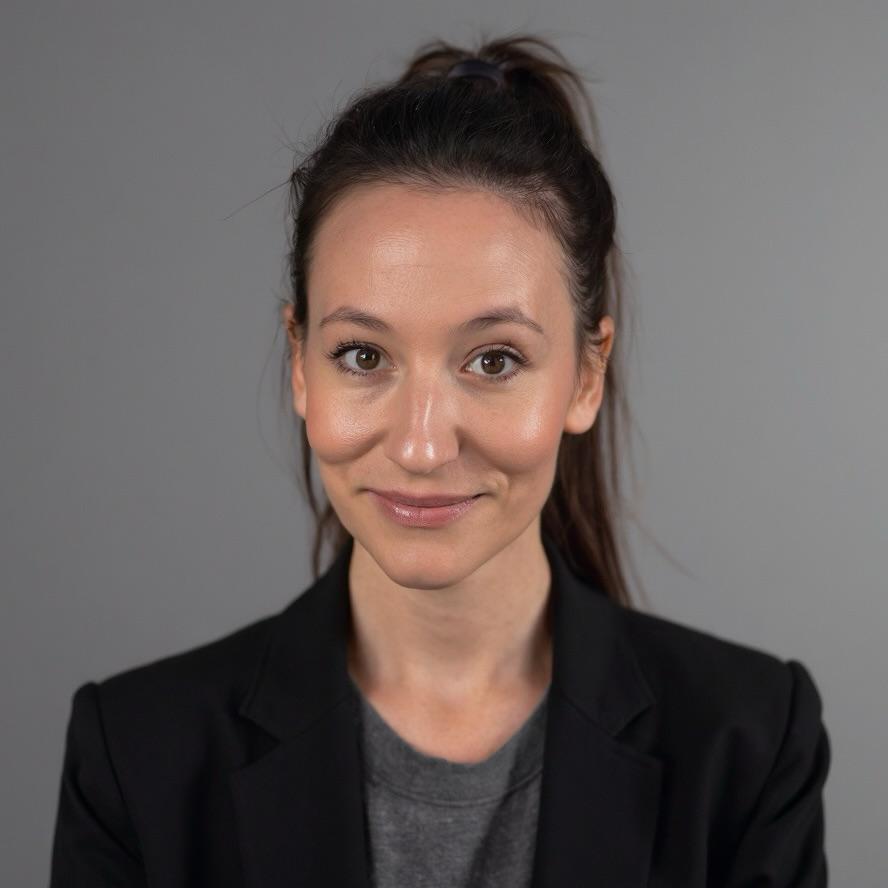
"I've been homeless twice. I know what it means to live on the margins — feeling invisible within a healthcare system that doesn't always recognise the realities of time or lived experience," Ms Nillissen said.
"These experiences opened my eyes to the deep disparities that exist and gave me a clear sense of purpose: to fight and advocate on behalf of the vulnerable.
"I want to be a doctor who truly sees people, understands their context, and helps build a more compassionate and equitable healthcare system for all."
Myles McKenzie, a Barundji Aboriginal man and third-year medical student at James Cook University will also receive a scholarship.
Mr McKenzie hopes to pursue psychiatry to address the gaps in mental health outcomes for Aboriginal and Torres Strait Islander peoples.
"We know that over a third of Aboriginal people experience some sort of mental health condition, and yet you can roughly count on one hand how many Aboriginal psychiatrists there are," he said.
"Suicide has become the leading cause of death for Aboriginal children aged five to 17, so that is a big driver for me pursuing psychiatry, because I know that I can work with both the mental health system and from a cultural perspective to address those challenges."
The third recipient, Kayla Williams-Tucker, a Wongutha, Ngarluma and Wudjari-Noongar woman and third-year medical student at the University of Notre Dame WA, also has her sights set on paediatrics.
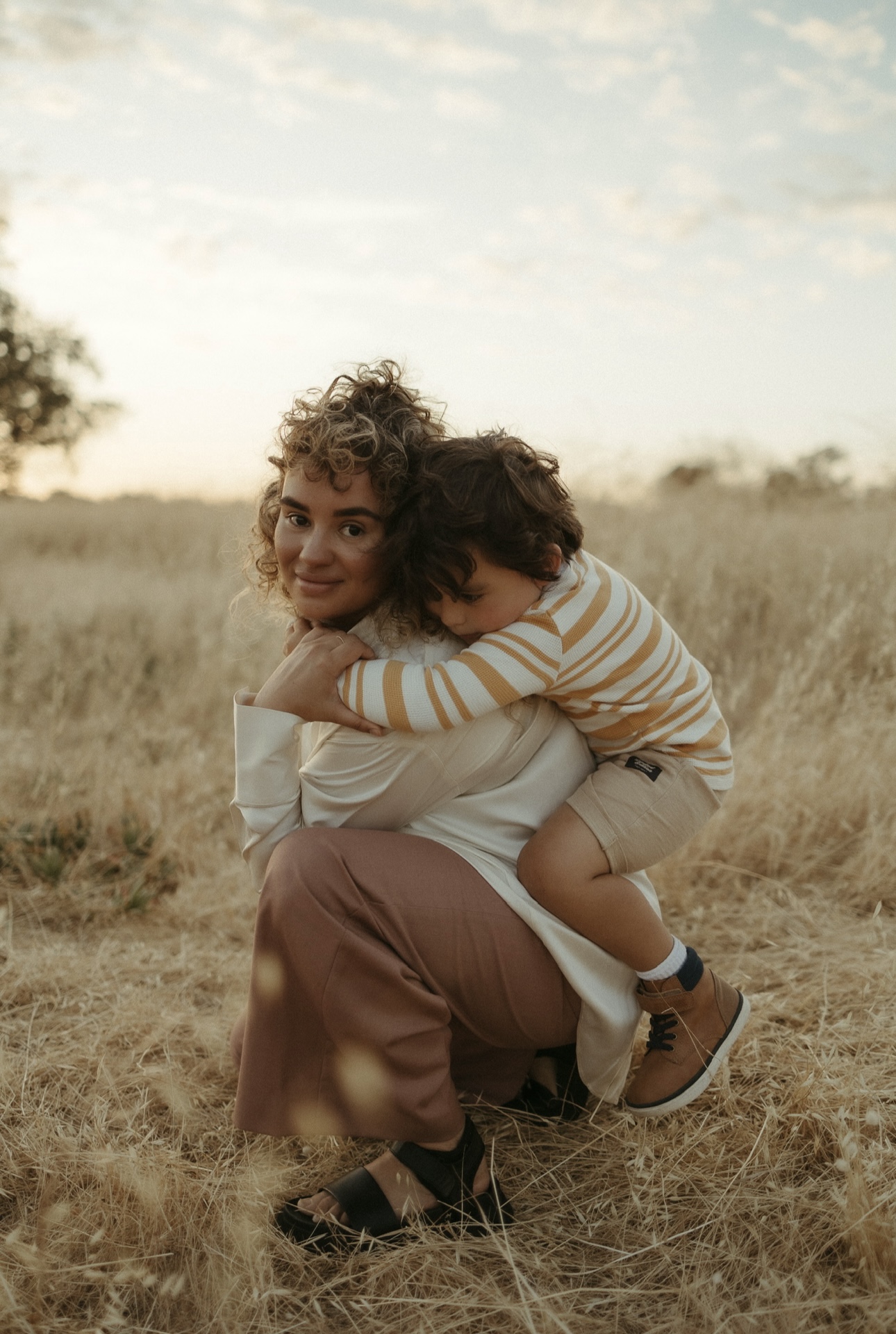
"I am deeply committed to becoming a future Aboriginal paediatrician, using my medical training to improve the health and wellbeing of Indigenous children and their families," she said.
"I am especially passionate about prevention, education, and advocacy, with a strong focus on early intervention and developmental health.
"As a mother to a child with developmental needs, I know firsthand how difficult it can be to navigate a healthcare system that too often feels like it was not built for us.
"These personal and lived experiences drive my determination to be a doctor who listens, understands, and walks alongside families during their most vulnerable times."
Each recipient will receive a scholarship worth $11,000 per year for the remainder of their degrees.
Dr McMullen said the scholarships are aimed at closing the gap in health outcomes by empowering the next generation of First Nations doctors.
"We know Aboriginal and Torres Strait Islander peoples experience better health outcomes when they are directly involved in the design and delivery of their healthcare models," she said.
"That's why it's so important to support more First Nations students to study medicine and become healthcare leaders in their communities."



