




Ronald Bin Swani never imagined he'd become a public speaker, but in 2025 he'll take to the national stage at the National NAIDOC Forum, representing this year's theme 'The Next Generation: Strength, Vision and Legacy.'
Held on 4 July in Boorloo/Perth on Whadjuk Noongar Country, the Forum will celebrate the 50th anniversary of NAIDOC by hosting a diverse panel of Aboriginal and Torres Strait Islanders speakers.
Among these speakers is Mr Bin Swani, 33, a proud Baad and Samsep man, and an advocacy lead at Social Reinvestment WA.
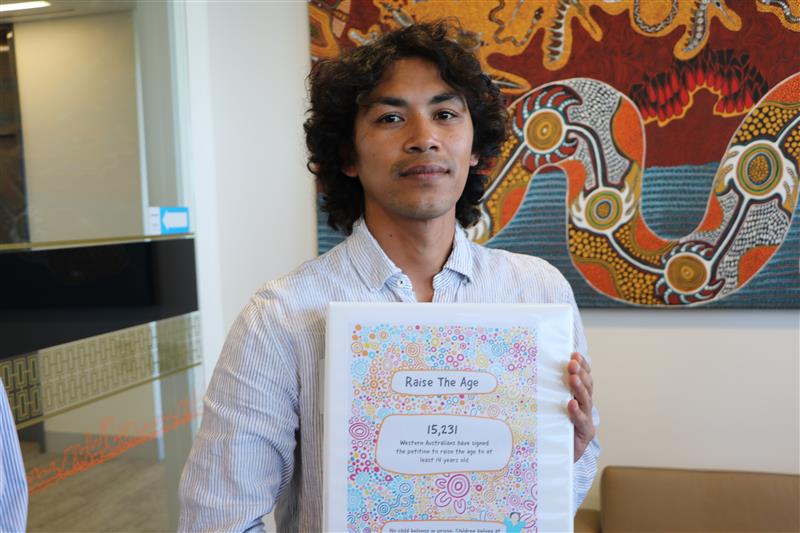
Having campaigned over the last four years for youth justice reform, Social Reinvestment WA seeks to end the over-representation of Aboriginal and Torres Strait Islanders in the justice system. Their most current campaigns are raising the age of minimum criminal responsibility from 10 years old to 14, and addressing Unit 18, where young people are being held in Casuarina maximum prison and adult prison.
Mr Bin Swani said his work in youth justice is motivated by his personal experiences growing up.
"I was one of the young people who was doing crime, and so there's that motivation around allowing young people to know that you can be in the trenches and find your way out," he said.
"It took me a long time to get out of it, but I've found a pathway that allows me now to advocate and also be able to help young people learn about what they can do besides going down a route that's not good for them personally or even for their families."
When asked what this year's theme means to him, Mr Bin Swani explained: "For me, it's about the opportunities that have been created, not just by myself, but through my family and the families before us, that have made it possible for Aboriginal and Torres Strait Islander people to find the motivation, strength, and power to create a better society for our mob."
Mr Bin Swani reflected on his parents creating opportunities for him.
"My parents didn't finish school, while I had the opportunity to go to a private school," he said.
"Even though they weren't able to finish school themselves, they had the knowledge and understanding of 'that's something we didn't get to do, but we need to pass to our children'.
"If my parents didn't push me into education, or trying to go to school. I don't think I would have gone down this sort of path or even gone to university."
He added: "Not many people in my family have even done that, and so getting a degree was a big thing in itself for my mob back home."
When asked what he hopes to see in the future, Mr Bin Swani called for change on an institutional and social level.
"I hope we will see proper change for our people. We see small increments over a long period of time, but we need to see more change in activating the Aboriginal people within policy, the development of the country, the development of our mob in Western Australia - like our Aboriginal minister is not even Aboriginal," he said.
"I want the Department of Justice or the government to listen to the voices of young people and understand that the decisions you're making might not be the best for these young people.
Mr Bin Swani emphasises the importance of understanding the root causes behind youth crime, shifting from a punishment approach to a preventative one.
"You need to be able to consult these young kids - understand why they're doing all these things, and supply and invest in the right things," he said.
"Not investing too much in our prisons and jails instead of early prevention intervention, so we can get these young kids before they're getting into serious acts.
"It's not a punitive approach straight away. It's looking at what the social determinants are."
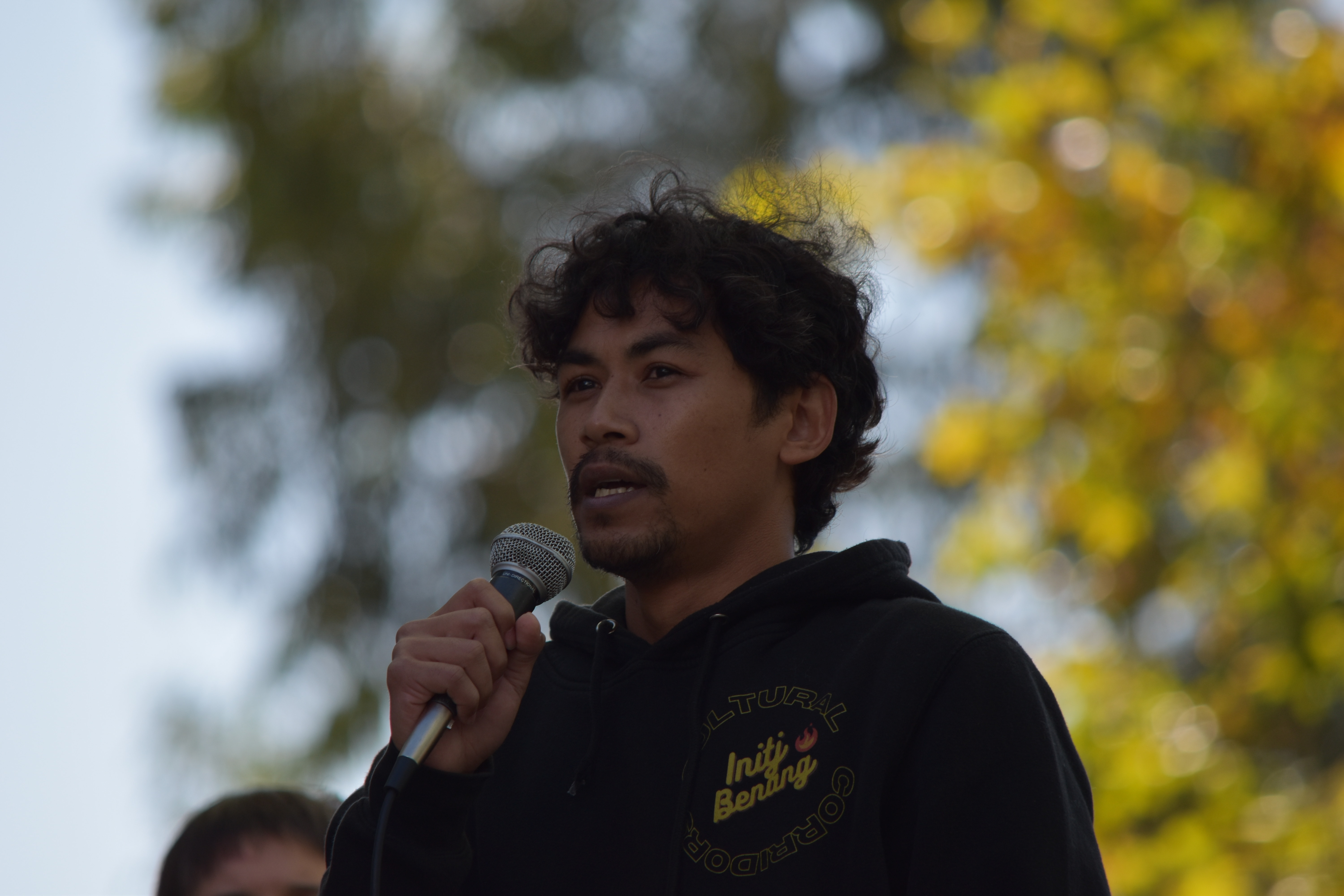
When asked what he hopes his legacy will be, Mr Bin Swani reflected on how far he has come and what he wants his journey to mean to others.
"I'm someone who didn't really like the limelight, but have become someone who shines for the greater good — to help people," he said.
"Before I even started this job, I wouldn't have wanted to do any public speaking," he admitted. "But being in this role has allowed me to grow, and I think that's part of the legacy…I was never the best kid, but I found a way to help people.
"I would like people to just remember me as someone who tried to help our mob, who gave it his best shot, who used his own strength. I've had to overcome so many things myself just to get to this position, to even be able to speak like this."
Ultimately, his vision is one of strength and hope, demonstrating why Mr Bin Swani was chosen for the Forum.
"My legacy is just to help young people, because my journey means something — it's a tool to help people understand that it's not always a dark path," he said.
"There is light at the end of the path, if you look for it properly, and if you want to break out."
National Indigenous Times is an official media partner of Perth's National NAIDOC Forum. Tickets can be purchased on Humanitix.



