


Surrounded by water, immersed with bright rich red dirt and wildlife, there is a small island called home to a First Nations community of 2,000 people. Located on the northeast cost of Arnhem Land in the Northern Territory, Galiwin'ku is also know as Elcho Island.
At its core amongst the beautiful bushland lies a very unique, culturally safe space called Baby Hub.
Established in 2012, Baby Hub was set up as a partnership between Miwatj Health Aboriginal Corporation and the Australian Red Cross.
Staffed predominantly by First Nations community workers, some with Certificate III in Early Childhood and others supported through one-on-one jobs mentoring with weekly training, Baby Hub provides essential support for expecting mothers, babies and families.
The team is exploring a tailored maternal care course and early childhood programs like the Abecedarian Approach (3A) to strengthen outcomes from birth onward.
The partnership directly supports Yolngu women into skilled community health roles, reinforcing a model of First Nations-led, place-based care.
Red Cross Support Worker Priscilla Lorenz spoke with National Indigenous Times News about the importance of having Yolngu people working at Baby Hub.
"It's important that more Yolngu people work at Baby Hub is that we understand each other and we understand the kinship that's around the community and we know our people and mob," she said.
Combining western and cultural medical attention, as well as emotional support – the program stands strong, run by local woman, in language and on Country.
"Baby Hub helps in so much ways, for me I can come in with the hours being flexible, it goes well with my schedule at home," she said.
"I can also bring my little ones as well, so that's good."
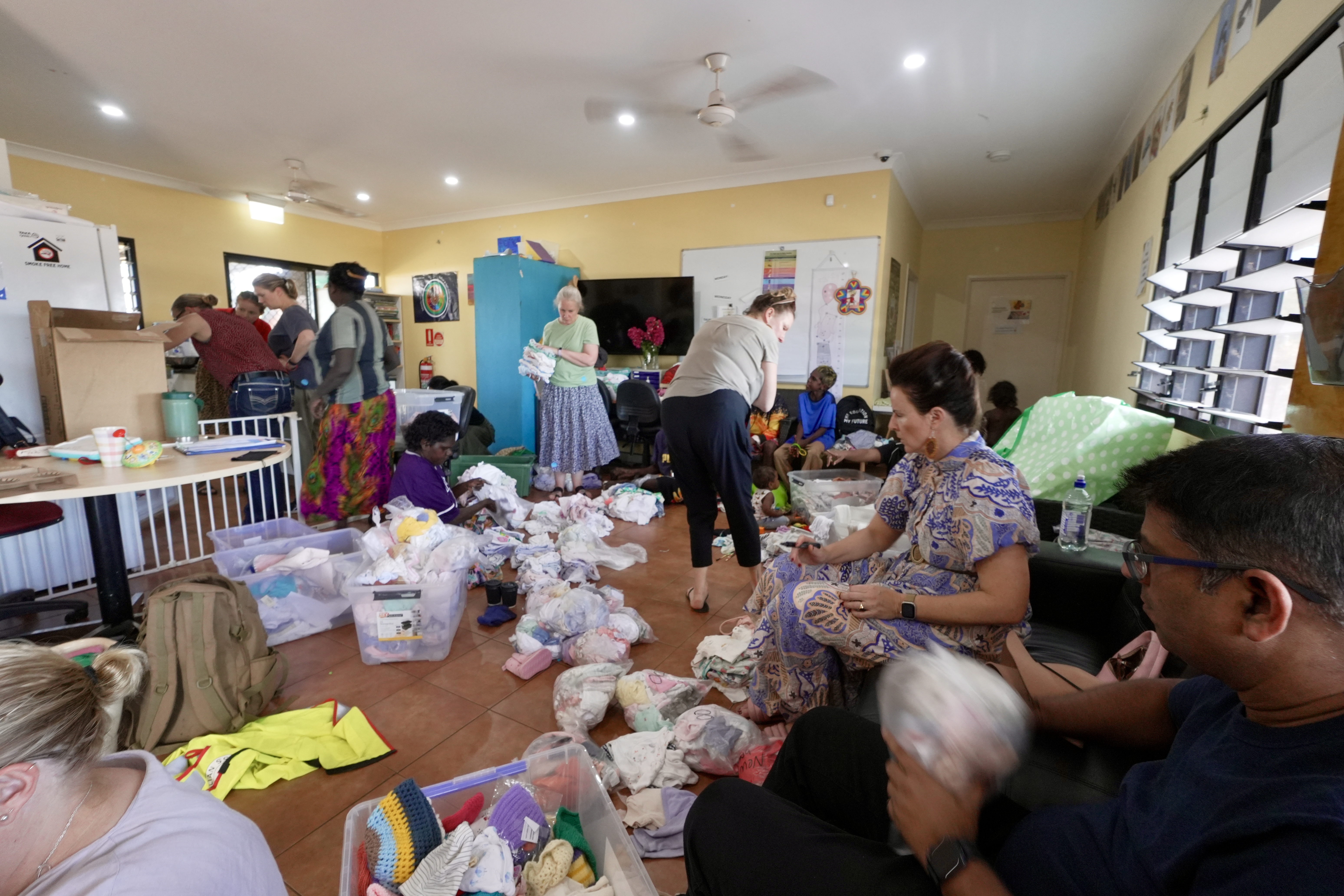
Baby Hub operates for the women and babies of Galiwin'ku, aiming to improve growth outcomes for babies in their first 1,000 days of life.
"There's clothes that's for donations, we give out nappies, they can pop in for a feed, or we also have drop in's as well so they can just come and chill if they want," Ms Lorenz said.
In this community, the pre-term birth rate is three times the national average. So, for expectant mothers in Galiwin'ku, having care within the community is critical for not just them, but their unborn baby too.
An additional challenge is the island's remoteness, Galiwin'ku is 550km from Darwin. The closest hospital is in Nhulunbuy in East Arnhem Land, a one-hour plane trip away.
This means the resources and medical support that Baby Hub provides to an average of 10 to 15 mothers and babies every single week is critical.
Without Baby Hub, hundreds of women and children could go without appropriate food, nappies, specific education, and support.
Red Cross Baby Hub Team Leader, Bridgett Woods told National Indigenous Times the importance of Baby Hub is "huge".
"I think that the Antenatal and Postpartum period and the early years of child development is so important with so much research to show us that," she said.
"Every woman deserves to have a lot of support and education and access to those things during that time.
"We do everything that we can do to try and cover those tangible supports that are needed but also provide education so people can make informed decisions when it comes to their maternal health and their children's development."
Ms Woods has been managing the program over the past six years.
"I support a team of seven Yolngu support workers at Baby Hub, kind of managing everything Baby Hub related.
"From Managing programs, looking at donations, Work Health Safety, funding, everything that you could imagine that goes into a functioning drop in centre for babies aged zero to three, I try to hold onto that and do what I can with it."
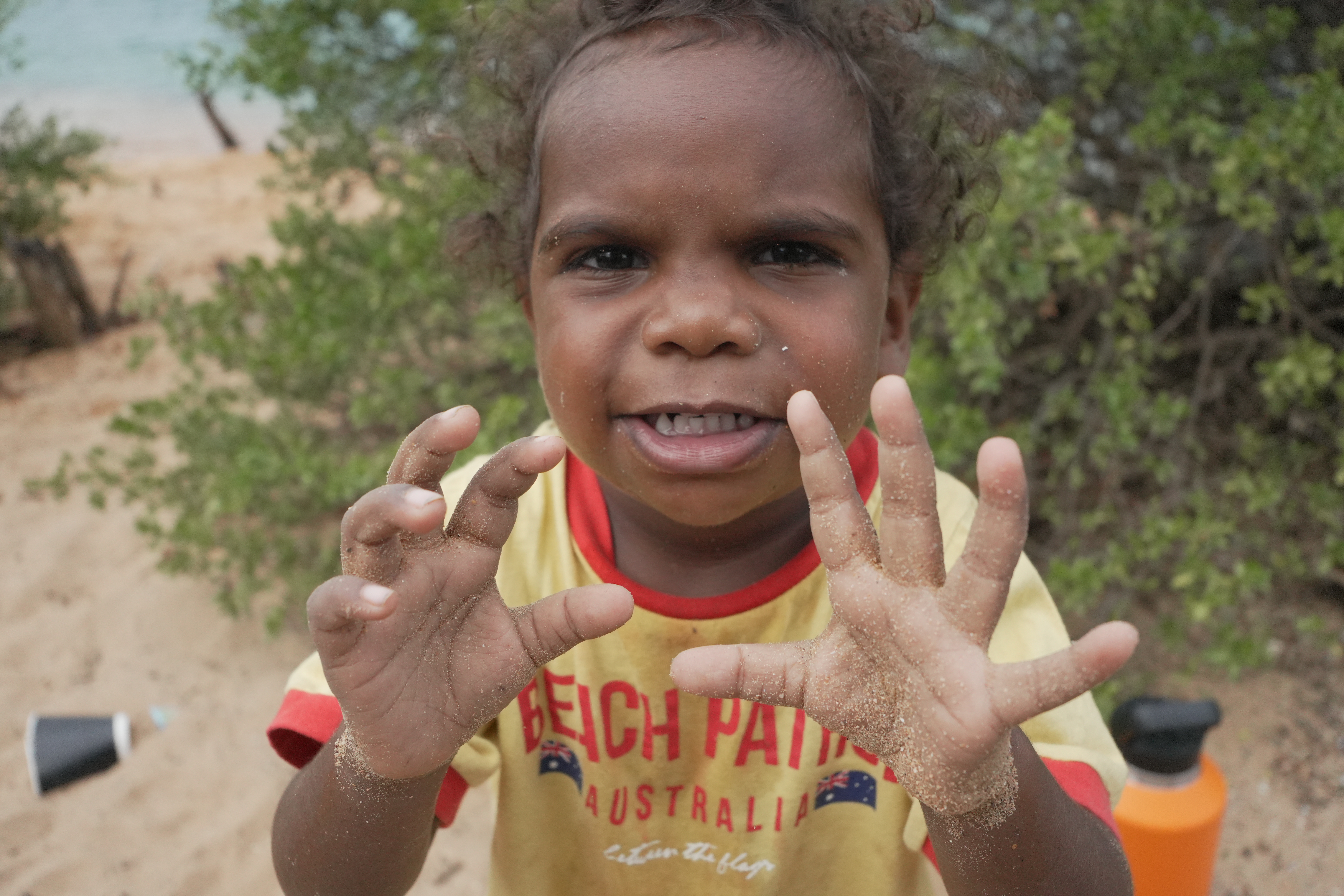
Last year, new data showed a demand for the service has tripled since 2022.
"Currently our lunch program is really popular," Ms Woods said.
"I think with rising costs of food and fuel, everyone is feeling the crunch across Australia but out remote isolation exacerbates that, so we're having more people show up asking for support with food."
"As a result of this our food costs have gone up significantly this past year."
As the start of November 2024, the Australian Red Cross secured a renewed partnership with Kimberly-Clark Australia – to continue their commitment to supporting families in Galiwin'ku.
The Australian Red Cross and Bayer have also renewed their partnership in commitment to providing support to families in need for education, health and well-being located in one of the NT's most remote communites.
Bayer is a global enterprise with core competencies in the life science fields of healthcare and agriculture. They design products and services to help tackle some of the world's biggest challenges,catering the most essential human needs of health and nutrition.
Bayer renewing their partnership opens funded opportunities for up to three flexible roles for Yolngu woman at the Hub, to build local workforce capacity and expand culturally safe care in their community.
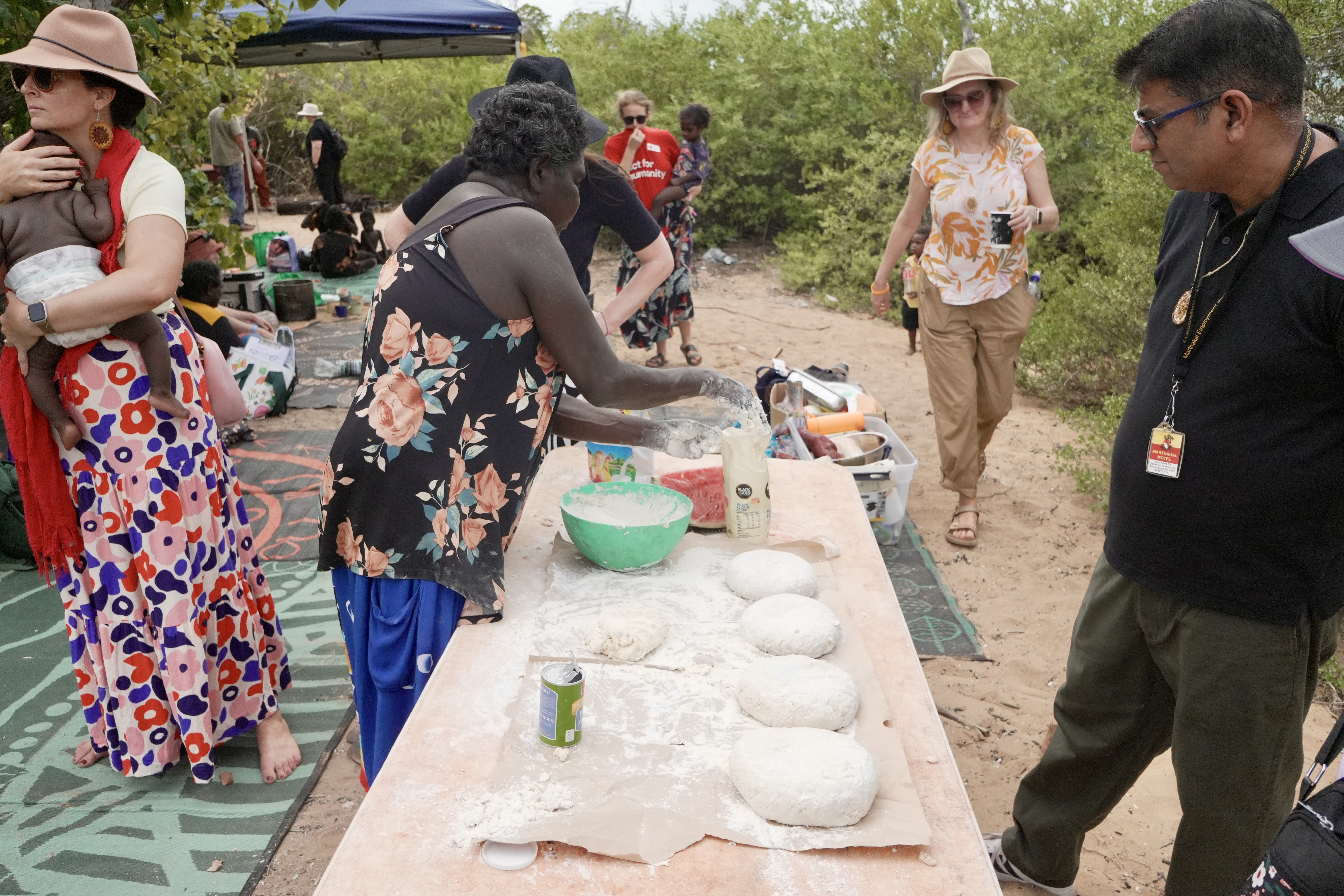
Last Wednesday, a small group of members from Bayer got the opportunity to spend three days out on Country and experience how strong the Baby Hub is on First Nations culture.
Bayer's Managing Directer for Australian and New Zealand, Manoj Saxena spoke about their partnership with Red Cross and supporting the Baby Hub over the past three years.
"I am really really proud of our partnership," he told National Indigenous Times.
"The Baby Hub focuses on Maternal Health, and as Bayer as an enterprise focuses on HealthCare, we are super happy to see the progress and impact it makes on the community."
Baby Hub is generously funded by Bayer and it is thanks to this partnership that Baby Hub can continue to support the women and children of Galiwin'ku.
With a focus on empowering local communities through inclusive growth, Bayer's partnership with Baby Hub recognises and strengthens the impact this service has on improving maternal and infant health in this deeply connected community.
"It's been special honestly, it's been a life hand rising experience coming up here," Mr Saxena said.
"I am new to Australia and the opportunity to come here and spend a few days with the team just listening, listening, listening, absorbing, and asking and answering as many questions as best I can.
"I am just fortune to understand the First Nations better here, the communities better and just scratching the surface you know as an outsider, you can't just know in two days but try.
"I am really feeling so fortune that I can be here, it's really speciaI. Words can't describe how I am feeling inside but the joys of looking at how mob celebrate life and the joy of coming together, seeing the smiles on the faces of their kids, and what mob do as a family is just remarkable. I really feel honoured and privileged to be here."
Building confidence, education, parenting skills and wellbeing, this program is not only a chance to help close the gap for future generations, but a major boost for all mob within the community as well as new and old parents to excel in life.



