




The Victorian government has announced it will implement education reforms, co-designed with the state's Aboriginal community, in what will be the highest level of investment in Aboriginal education in Victoria to date.
Strengthening Aboriginal Self-Determination in Education: Campfire Conversations: reflections and directions was released on Thursday, with the government arguing it forms part of a wider understanding of self-determination.
The report heard from over 3,000 people and 12 Aboriginal organisations, who participated in more than 180 Campfire Conversations held at 89 schools. It comes in the wake of a $51 million investment over four years, announced in the latest budget.
The Victorian Aboriginal Education Association Incorporated (VAEAI) president Geraldine Atkinson said the Indigenous community has, for generations, been tirelessly advocating for self-determination.
"Our community is determined to create a better education system so our students can thrive in their learning, and Koorie people are empowered at all levels to determine their own futures, learning goals, aspirations, and successes," the Bangerang/Wiradjuri woman said.
In the forward of the report, Ms Atkinson noted it was the "absence of our self-determination across all areas of social life that was a major contributor to Aboriginal and Torres Strait Islander disadvantage".
"This year has seen multiple levels of engagement with the Koorie community, where the Victorian Department of Education has been able to listen to, and reflect upon, the diversity of our community's voices previously left out of these conversations.
"The conversations we have had this year have identified that for Aboriginal and Torres Strait Islander people, 'self-determination' simply means playing an active role in the systems that shape our lives."
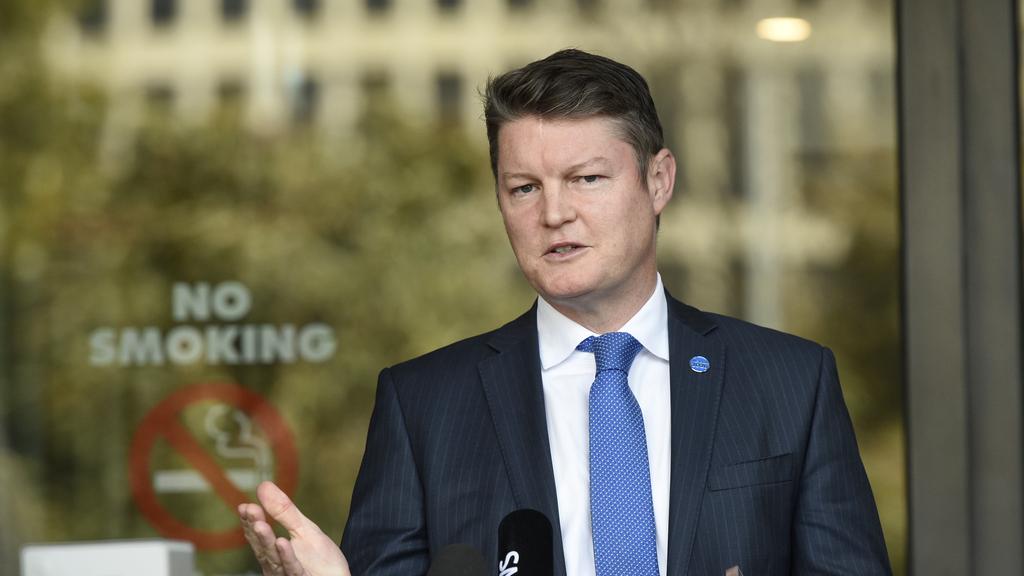
Victorian Deputy Premier and Education Minister Ben Carroll told National Indigenous Times he had worked closely with the VAEAI over the last eight months, stating they had been the Education Department's "key partner" in championing and shaping the Campfire Conversations report.
"It's been a big part of my role over the past eight months, working with First Nation stakeholders; making sure we do everything we can to ensure Aboriginal self-determination shapes our education system," he said.
(Image: NCA NewsWire / Andrew Henshaw)
The report identifies six areas of reform and includes tangible actions for schools to enact meaningful change, in partnership with the Koori community.
The reform areas include reciprocal partnerships, truth-telling in the state curriculum, self-determination for Indigenous people in education decision making, ongoing capacity building to support school and community engagement, meaningful accountability measures, and creating a culturally safe and responsive school system.
The issue of self-determination has been at the forefront of both the conversations coming out of the First Peoples' Assembly, and the evidence heard during the Yoorrook Justice Commission.
During her appearance before the truth-telling hearings, Minister for Treaty and First Peoples Natalie Hutchins, accepted that the long-held view in the department was that self-determination was only about "consulting" with First Peoples.
She said it was now "about embedding change and handing over power," arguing there couldn't be "part self-determination".
Mr Carroll said he echoed Ms Hutchins comments, arguing that First Nations people "know best".
"That's something that's come up repeatedly with me, that it is about making sure that we do everything we can to ensure our nation leading work…Aboriginal people, families and communities have the decision-making control over the issues that affect their lives," he said.
Noting the budget input, he said: "[It] mean's ensuring that [First Nations Communities] have the power but also the resources…to get on and do everything they can to embed self-determination and, most importantly, improve education and well-being outcomes for our first nation students."
The budgetary funding also includes $31 million to increase the capacity of Aboriginal Community Controlled Organisations (ACCOs) to support education outcomes and inclusion for Aboriginal students.
Mr Carroll said this would allow teachers and schools to learn about the specific languages and history of the area the school is based.
"Our direct investment in those real community-controlled organisations will support locally tailored education outcomes and inclusion for Aboriginal students on the land they're on," he said.
The report also highlighted the "unacceptable levels" of racism experienced by Aboriginal and Torres Strait Islander students, with many of the participants speaking about their personal experiences of schools being a source of racism.
One participant stated: Growing up I was taught plenty of history involving the Americas and Europeans but nothing about our own Indigenous history. It may help stamp out some of the racism that comes when information is mis-told or withheld."
Mr Carroll agreed and argued Closing the Gap on health, education or economic outcomes for First Nations people will continue to fail without recognising the truth of what has happened in history.
"We've got what we're doing through the education system; we know Treaty is a really important way to Close the Gap," he said.
"But we've got to make sure that we're delivering good outcomes, not just for First Nations peoples, but that we're also teaching and making sure that everybody, every Victorian, knows about our history.
"Because these are good outcomes, not just First Nations people, but for everyone. And when Aboriginal Victorians thrive, we're all stronger."



