




A Tasmanian independent student residential housing college has been renamed due to its namesake's negative treatment of Aboriginal people during colonial times.
Formerly known as Jane Franklin Hall, Hobart's Jane College, or Jane, has rebranded itself to coincide with its 75th anniversary, distancing itself from Jane Franklin.
In a statement, Jane principal Joanna Roswell said Ms Franklin's legacy is "intertwined with the colonial era and its deep and lasting impacts on the island's First Nations peoples".
"Historical records show that she personally supported and participated in policies and actions that contributed to the displacement and marginalisation of Aboriginal Tasmanians," Ms Roswell said.
Historical records indicate Ms Franklin and her husband, John Franklin, arrived in then Van Diemen's Land in 1837 to a colony experiencing controversy over the convict system, economic depression, and a hostile group of influential settlers.
According to University of Tasmania records the couple adopted an Aboriginal girl they named Mathinna, originally Mary, after she impressed them during their visit to the Flinders Island settlement of Wybalenna in 1838.
In 1939 Mathinna was sent to Hobart to live with the Franklins at Government House, where she was educated alongside the Franklins' daughter until their eventual return to England in 1843.
After a year at the Queen's Orphan School, Mathinna returned to Wybalenna before moving with other Aboriginal people to Oyster Cove, near Hobart, in 1847.
Centre for Tasmanian Historical Studies archives indicate she continued her education at the Orphan School and in 1851 she returned to Oyster Cove, before heavy drinking contributed to her death by drowning.
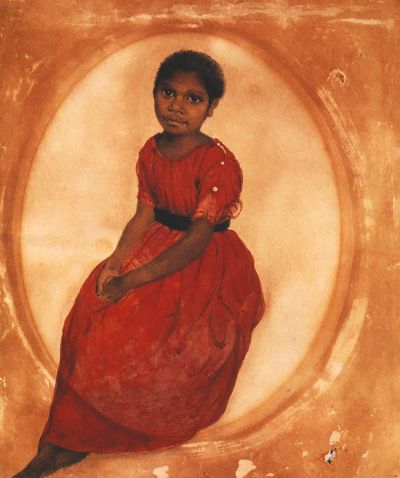
Ms Roswell said the Franklins' adoption of two Aboriginal children did not come with good intentions.
"It wasn't to help the children. It was just to see what happened if you tried to 'civilise' Aboriginal children, which was brutal really," she told ABC Hobart.
"Jane Franklin didn't at all help the Aboriginal cause."
Historical texts suggest Ms Franklin also had an interest in Aboriginal bones, an involvement Ms Roswell said is "not something at all to her credit".
Ms Roswell said the college's renaming represents both continuity and change.
"It preserves the spirit and traditions of the College while signalling a renewed commitment to welcoming all students into a future-facing, values-led residential community," she said.
"It is a name that speaks to who we have been, and who we are becoming."
She said the College's renaming could set a precedent for the names of other historical figures to removed from buildings and institutions.
"It depends on their relevance," she said. "I think people have got a perfect right to change the names of buildings or societies If they're no longer relevant".



