


The family of a First Nations woman left lying in a northern Boorloo/Perth backyard for seven hours after her sudden death says police failed to act with urgency.
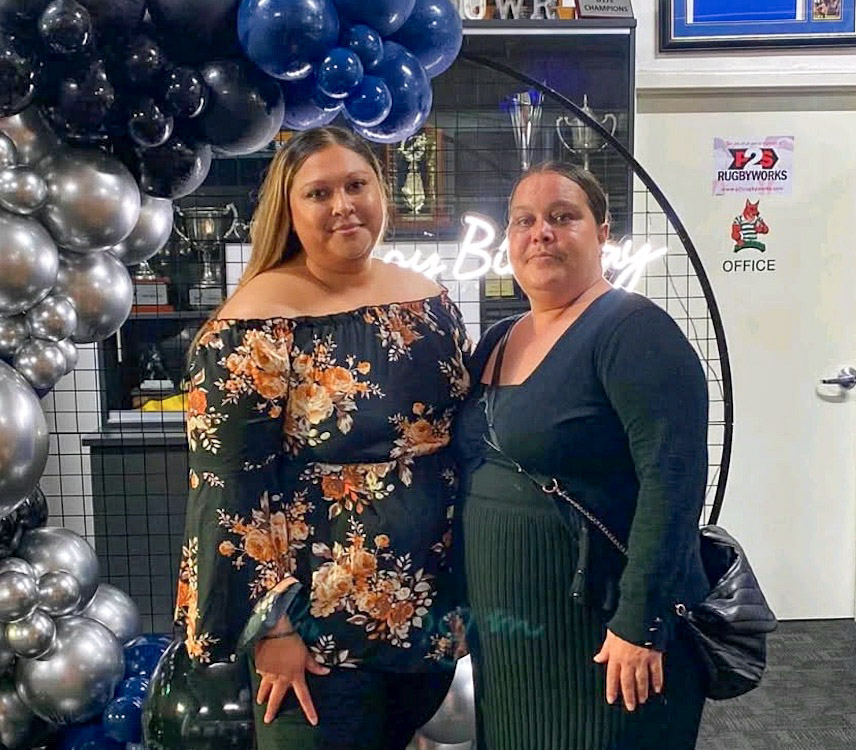
Tamara Garlett, the cousin of Jamie Lee Garlett who died suddenly on May 26, is speaking out to prevent other families from enduring the same ordeal.
"She's a human being, she's not an animal, and that's why we don't want this to happen to any other family," Tamara told National Indigenous Times.
On the day Jamie Lee lost her life, her sister-in-law Gemma Boddington remembers a morning that felt almost too good to last.
"That whole day she had lots of energy, she rang up mental health and organised her appointments, she organised a Dept of Housing inspection, and called NDIS support worker to check in," Gemma said.
Jamie-Lee was 37, living with the weight of complex health challenges: mental illness, asthma, and emphysema.
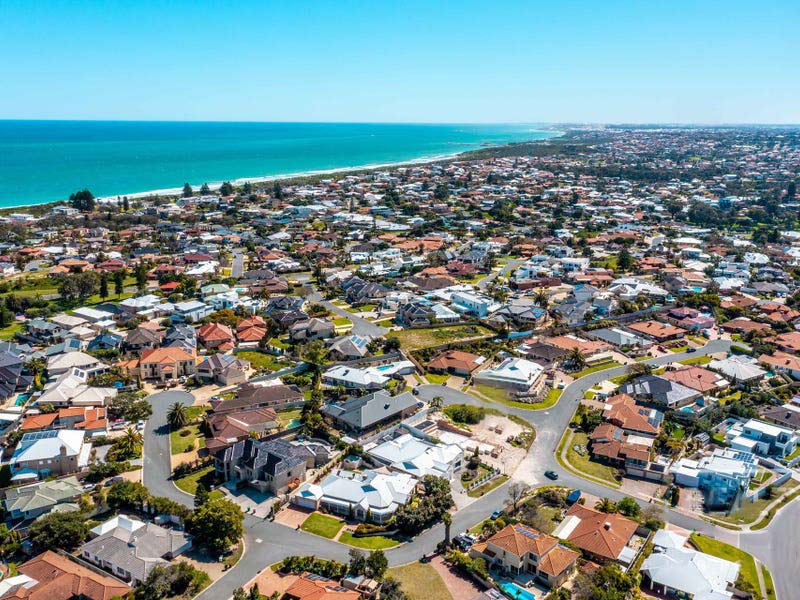
By 4pm, her tasks complete, Jamie Lee joined her family at a house in Kallaroo.
Fifteen minutes later, her nephew Mainy Carter saw his aunt gasping for breath, her body wracked by convulsions.
Gemma moved quickly to help, calling an ambulance and performing CPR as instructed until paramedics arrived at 4.25pm.
Paramedics worked to revive Jamie-Lee, but by 5.06pm she was pronounced dead.
Her family says ambulance officers followed protocol, contacting police after the sudden death outside hospital.
In WA, sudden or unexpected deaths are generally reportable to the Coroner.
That does not mean a death is suspicious, but police can be required to investigate on the Coroner's behalf before the body is taken for examination.
"The paramedics tried several times to call the police but had no response," Tamara said, adding praise for how they handled the tragic death with dignity.
By 6.30pm, paramedics had left to attend another emergency, still unable to reach police.
St John WA ambulance corroborated the sequence of events, saying: "In the event a patient passes away, St John WA is tasked with contacting the Coroner, which is usually undertaken by State Control Centre and may involve contacting WA police."
"In the event a death is not suspicious, and the situation is safe, crews will return to triple zero response."
After paramedics departed, Tamara made call after call, desperate for someone to remove her cousin's body, which remained in the backyard where she had fallen. She says her calls to police went unanswered.
Frustrated by the lack of action, she asked to speak to a senior sergeant. She was put on hold for ten minutes, then told the sergeant was unavailable.
Police arrived at the residence at 10.10pm, five hours after the first call from paramedics and after Tamara's repeated pleas.
However, Jamie Lee's body was not taken from the yard until midnight.
For seven hours, she remained in the backyard, her family—including children and teenagers—left to watch and wait.
WA Police confirmed they were notified of the death of a 37-year-old at about 5.10pm at a residential address in Kallaroo.
"At the time the matter was reported, initial advice indicated the death was not suspicious and had been attended by St John WA paramedics," a police spokesperson told National Indigenous Times.
"In such circumstances, police attendance is prioritised alongside other competing operational demands, including urgent incidents where there is an immediate threat to life or safety."
"Police were subsequently deployed to the address that evening once resources became available."
WA police confirmed there were multiple communications between individuals at the home with police, with call takers providing advice based on the information available at the time.
"A review of the circumstances surrounding the response has been initiated to ensure all procedures were followed appropriately and to identify any opportunities for improvement," the spokesperson said.
Police Minister Reece Whitby did not address the time it took police to respond, but told National Indigenous Times he extended his sincerest condolences to Jamie Lee's family and loved ones during this difficult time.
"As this is an operational matter for Police, I will seek further advice from WA Police regarding the circumstances of this incident," Minister Whitby said.
In the aftermath, Tamara and Gemma are left searching for answers about why help took so long to arrive.
Haunted by what their young relatives saw, they wonder if Jamie's reputation influenced the delay.
"The police knew Jamie," Gemma explained.
"She was classed as a menace to society because she used to ring the police often, so they used to ignore her sometimes," Tamara added.
Ms Garlett had been charged with allegedly using a carriage service to menace, harass or cause offence in Heathridge in September last year. However, WA police clarified it does not use the term "menace to society" as a classification on any police system.
Tamara says her consistent phoning of police came from a vulnerable bind she found herself in, when she opened up her house to people in need who took advantage of her.
"She had a good heart. She would let anybody come and stay at her house, but then they'd tend to stand over her," Tamara said.
"We'd always try and chase everyone away from her house, but she'd be like, 'No, they're okay,' and then they'd start on her, and then she'd be calling the police, or calling us."
"Menace to society, I'd say, was a bit much. Maybe a nuisance or over-calling, yeah. But a menace to society? No."
Proud Bibbulmun Noongar woman and United Nations human rights lawyer Dr Hannah McGlade, who has spent decades advocating for Aboriginal women and children, said WA Police needed to explain why Ms Garlett's family was left waiting for hours.
"Five hours is a long time," Dr McGlade said.

"The Police Commissioner needs to respond as to why a family had to wait five hours with a loved one deceased outside," Dr McGlade said.
Dr McGlade said police should also answer whether Ms Garlett's previous interactions with officers affected the response.
"Was there actual prejudice against Jamie Lee, who was known to their office?" she said.
"Was this a situation of racial prejudice?"
In response, WA police said: "An individual's previous interactions with police, including any prior charges, do not influence the prioritisation of a police response."
"Operational responses are determined based on the information available at the time and an assessment of risk, including any immediate threat to life or safety," a WA police spokesperson said, again adding that a review of the circumstances surrounding the response had been initiated.
As the family waits for answers, they remain devastated by the indignity their sister endured.
"She was a human being, the most caring person, our sister, and we loved her; she did not deserve to be treated like that," Tamara said.



