




The Kinchela Boys Home Aboriginal Corporation has used this year's National Reconciliation Week to launch a space for the Stolen Generation Survivor Community to discuss issues and help reclaim culture, dignity, and family structure.
The Walking Together Program was launched by the KBHAC on Monday at the Sydney Opera House, on the centenary of the opening of the Kinchela Boys Home (KBH) and will help to support and heal current and future survivors of the Stolen Generation.
The program will work with families and communities across NSW with face-to-face meetings and yarning circles, Sorry Business and family rebuilding, grief, and loss support, along with engaging participants in cultural activities, art, and music therapy.
Between 1924 and 1970, up 600 young boys - as well as a small number of girls in its first year of operation - were forcibly removed from their families and sent to KBH on the stolen land of the Dunghutti, on the Mid North Coast of New South Wales.
52 Uncles are still alive today.
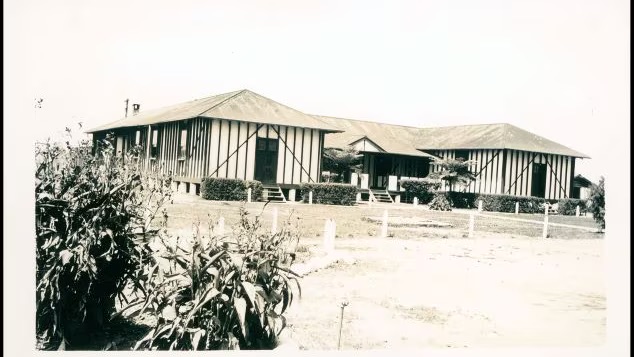
KBH is considered one of the most notorious institutions associated with the Stolen Generation, and included alienation, cruelty, and abuse (cultural, physical, and sexual) on a day-to-day basis for the boys who had to live and work there.
Speaking on Monday, Uncle James Michael 'Widdy' Welsh, a survivor of KBH, called it an "evil place."
"I cannot understand why the people who worked there were the way they were," he said.
"We were treated like little slaves; we were never given the right to make a decision…sometimes they'd flog you; give you a hiding.
Mr Welsh arrived at KBH at age eight, and said he had a "lucky period," in "only" being there for five-and-a-half years.
"It was a place that was designed to break us from our culture and to be able to assimilate us to be slaves for the colonised world. There was no other way to put it," he said.
The Walking Together Program, co-designed with the Stolen Generation survivor community, is about supporting and healing.
KBHAC chief executive Tiffany McComsey said it was a "survivor- and descendent-led program," designed to stop the multi-generational trauma from continuing to impact on the survivors' families."
"These conversations have been ongoing and unfinished business," she said, "really going back to the Royal Commission into Aboriginal Deaths in Custody, when the legacy of KBH was first shared".
Ms McComsey said it was known the current trauma-informed programs and systems to help Stolen Generation survivors "are not helping," and weren't helping the KBH survivor community.
"Without knowing the pain, without understanding what it is the Uncles and families need and want, and how to support their own healing, these programs are going to continue to fail them," she said.
"So why invest in things that don't work?"
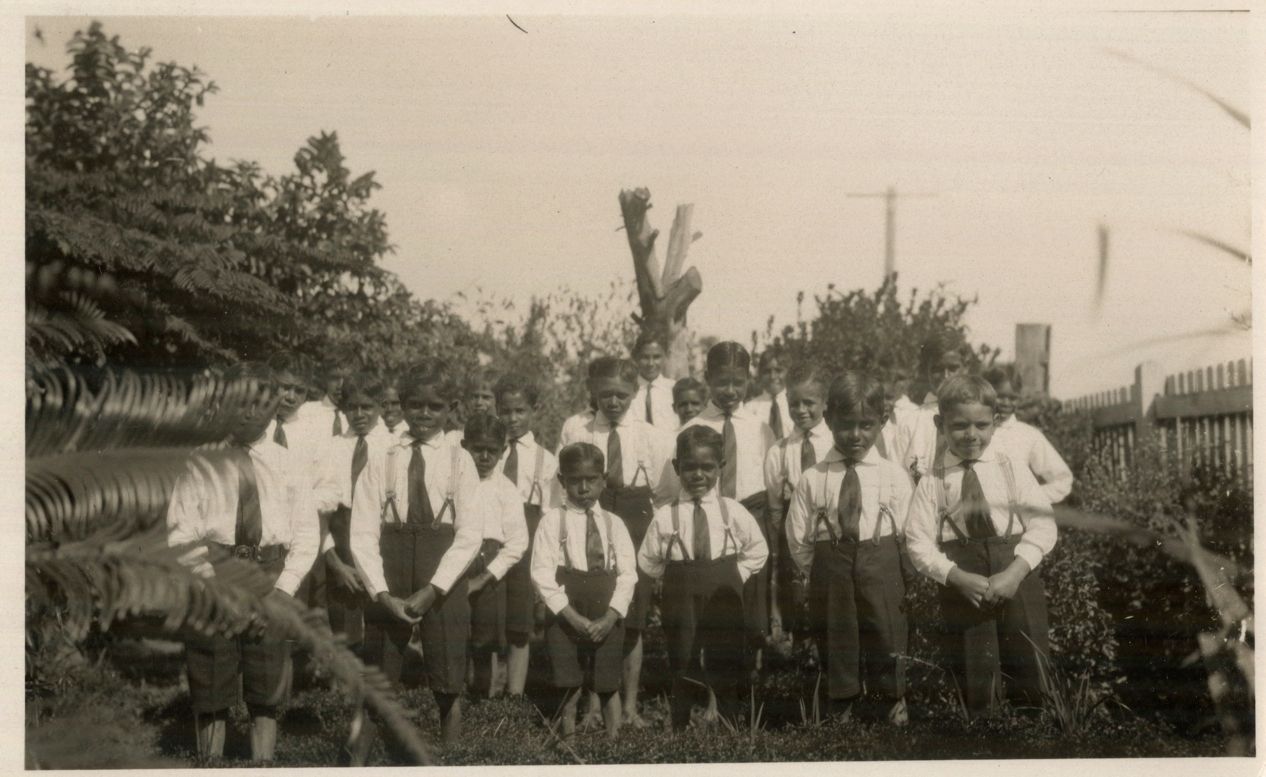
KBH descendant Aunty Lesley Franks agreed, arguing: "We need different things to what's out there.
"And the first thing we need is a safe place, to be ourselves and to talk about the issues that affect us," she said.
Standing in front of the Opera House, Mr Welsh, said "trust" was lost due to the way the boys were treated. He explained how he turned to alcohol to mask the pain; growing up wanting to be strong enough to never have to receive help from anyone.
"Trauma to me was just a word, but I know now it was a disease that was programmed [into] me and put into my brain in the way these people punished us," he said, describing a fear of losing his children, and the breaking of his family structure.
He said he was given a piece of paper in 2017 that said he was "allowed" to own and speak his language.
"People don't know that - of course they don't know - because no one was told the truth about what happened to this land when they come here," Mr Welsh said.
The KBH survivors' community have also taken their story across Australia, with the inaugural Australian Stolen Generations Mobile Education Centre (MEC).
The MEC has transformed a retired bus to help educate children, young people and both Indigenous and non-Indigenous communities about the experience of children who were kept at KBH.



