


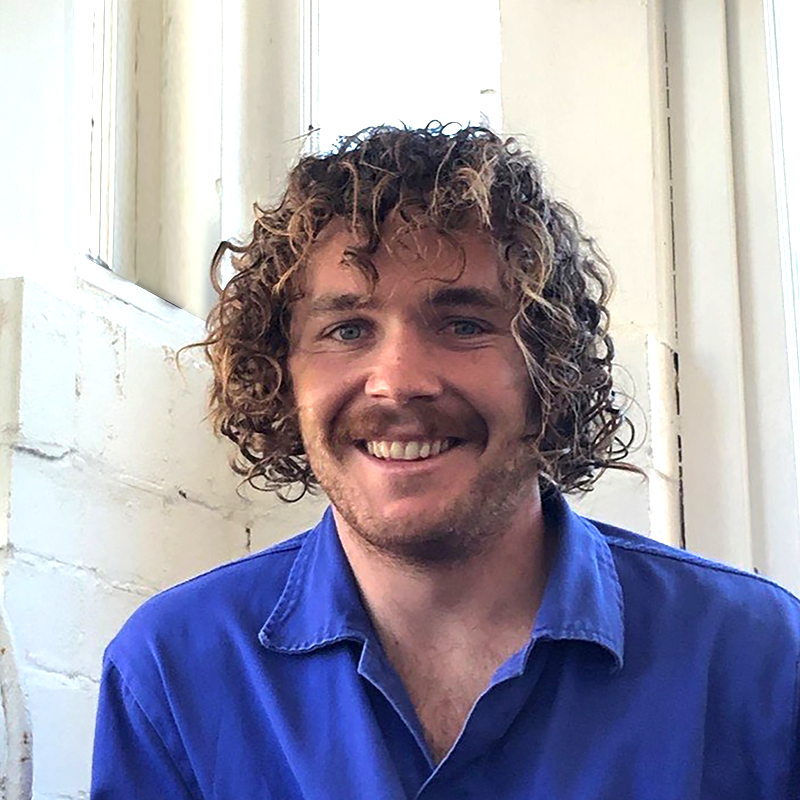

The New South Wales disaster welfare Aboriginal policy officer says Indigenous organisations are critical in co-designing resilience strategies for destructive weather events.
Last year, the state government opened grants applications for Aboriginal Communities Disaster Preparedness, set up in the wake of reviews into bushfire and flood events in 2022.
Toomelah Local Aboriginal Land Council on Gomeroi Country in far-north inland NSW and Mogo Local Aboriginal Land Council on the state's south coast have both received $100,000 towards ensuring their disaster preparedness.
"Mogo was highly impacted by bush fires... it placed significant trauma on the community, and still today, they are recovering from that," Homes NSW Disaster Welfare team Aboriginal Senior Policy and Programs Officer Adam Murray told National Indigenous Times.
On the banks for the Macintyre River, Toomelah is flood-prone, Mr Murray said, "so when it rains in south east Queensland, it impacts their community, but it also impacts their cemetery, which has a cultural significance, because, as it has all their elders that are passed".
The Anaiwan man said while the state's Reconstruction Authority oversees recovery efforts, Aboriginal communities can take the lead in strengthening their preparedness for future natural disasters.
Aboriginal-controlled organisations were eligible to apply for the government grants until January.
The grants were contingent on the employment of a local Aboriginal community engagement officer - tasked with creating and implementing local emergency and management plans, and expectations to develop or maintain relationships with local emergency services such as the SES and Rural Fire Service.
This helps services and government agencies to operate with cultural safety, and cultural knowledge "how (the Aboriginal community) want to be treated within an evacuation scenario for their communities," Mr Murray told National Indigenous Times.
Homes NSW and Aboriginal Affairs NSW are also part of the co-design process, and partly fund the grants.
"I think there's been lessons learned in the past as Aboriginal people, who have a deep connection to Country and know what solutions work best for their communities in responding to natural disasters," Mr Murray said.
"We know there are better outcomes when Aboriginal organisations and people design and lead and implement solutions in partnership with government."
Aboriginal Affairs deputy secretary Shane Hamilton shared similar sentiments on Aboriginal communities' connection to their lands and role in its protection.
"Given the increase in weather events and the devastating impacts like those experienced by the Mogo community during the 2019/2020 Black Summer Bushfires, it is important that communities are engaged and supported to be as well prepared as possible," Mr Hamilton noted.
Toomelah LALC chief executive Uncle Rex Weribione said the grant they received, where drought, floods and heatwaves are regular, "will support Aboriginal people on Gomeroi Country to prepare for and recover from future disasters".
Mogo LALC chief executive Linda Carlson welcomed the grant which came their way, and "community-led solutions" to come as preparation in the case of future disasters.
Mr Murray said the definition of preparedness is unique to individual communities, but vulnerable groups on different ends of the age spectrum, like Elders and youth populations, and people living with a disability.
Practical measures, such as having personal medical needs and culturally important items ready in the case of evacuations, are one example of being best-placed in the case of a disaster.
Established community evacuation points are also important.
"These grants represent a vital investment in the safety and preparedness of Aboriginal Communities. By supporting Toomelah and Mogo, we're ensuring that they are better equipped to face natural disasters, protecting both their homes and cultural heritage," Homes NSW executive director of Disaster Welfare Feargus O'Connor said.
"It also highlights the power of working together—Aboriginal communities, the NSW Government, and local emergency services all coming together to co-design a response plan that truly meets the unique needs of these regions."
Mr Murray welcomes the idea of future Aboriginal disaster resilience funding opportunities should, as he expects, the recent rollout is a success.



