




Six months have passed since the death of Kumanjayi White, a 24-year-old Warlpiri man with a disability who died after being restrained by two plain-clothed NT Police officers inside a Coles supermarket in Mparntwe/Alice Springs.
In that time, authorities have not explained how White — who was under state guardianship and living in supported accommodation — came to die in police custody.
The initial police statement offered only the brief assertion that officers had "restrained the adult male" before he "stopped breathing and CPR was commenced".
Examined even casually, the wording raises more questions than answers. It provides no account of what caused White to lose consciousness, and its lack of detail cannot be separated from wider concerns about police accountability.
After all, a person does not simply stop breathing without a cause.
As his grandfather, Warlpiri Elder Ned Jampijinpa Hargraves, said shortly after White's death: "We know that he was held down by two police... he lost consciousness and perished. But at the moment we are in the dark about what really happened."
Noting his Jaja's (grandson's) disability, he asked: "What are the police doing using such force on a vulnerable young man in a supermarket? Did they even try to de-escalate?"
Currently, no one knows.
View this post on Instagram
Compounding the ambiguity, police chose to immediately reference White's alleged criminality — allegations he will never have the opportunity to defend in court.
At the same time, the conduct of the officers involved remains largely shielded from scrutiny. As late as September, Commissioner Martin Dole stated NT Police do not "comment on individual officers involved," though he confirmed the officers had been placed in "non-operational, forward-facing positions in administrative roles".
An autopsy has been completed and provided to the NT Department of Public Prosecutions (DPP), along with the internal police investigation.
Both have been in the hands of prosecutors for more than a month, yet no charges have been brought forward, nor has any clarity been provided. Further delays are anticipated as the DPP "awaits the provision of further material from police to allow that assessment to be completed".
No officer has been stood down.
One of the officers connected to the events surrounding White's death — NT Police prosecutor Steven Haig — has continued to accept briefs, including his role in prosecuting White's father by kinship, Martin "Isaac" Jabarula White, in August.
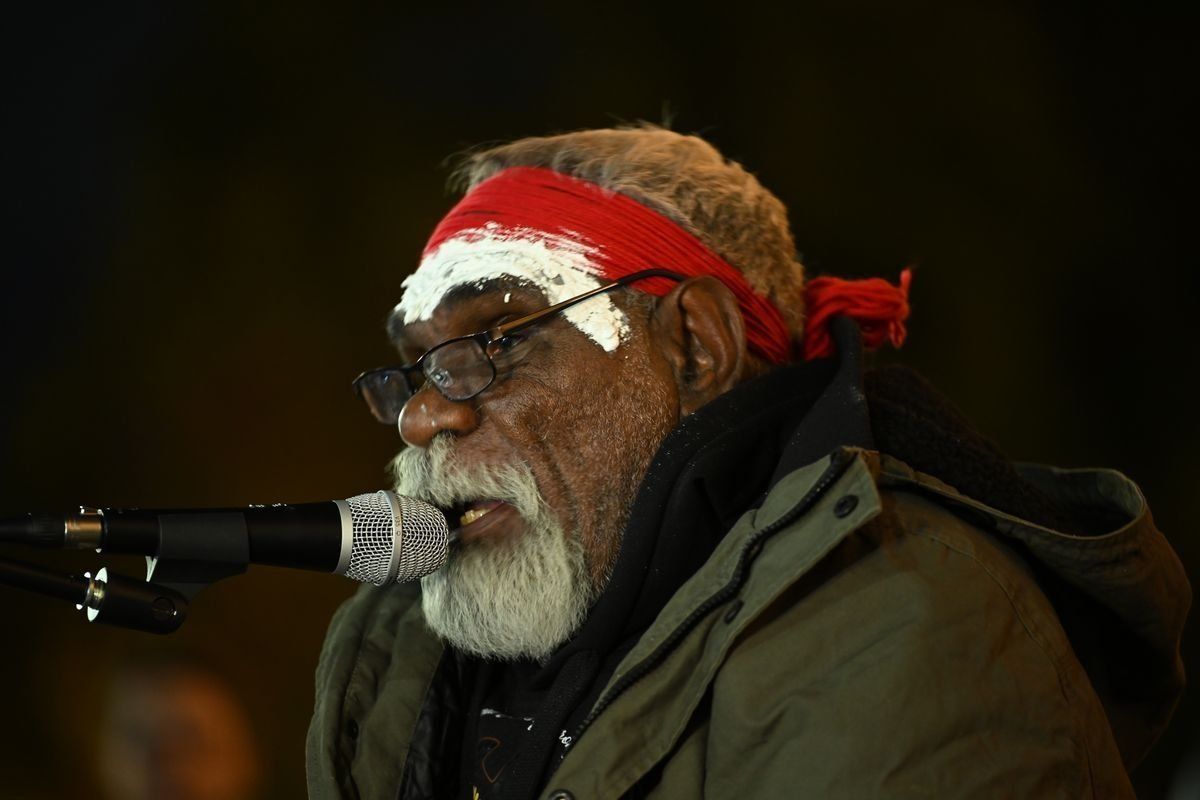
For the family, this ongoing normalcy sits in stark contrast to the lack of clarity about how their relative died.
This week, Mr Hargraves stated: "We know that if an Aboriginal person had done this, they would be behind bars."
"We have been told there is a criminal investigation and police have given a brief of evidence to the DPP, but the police involved in my Jaja's death are still on duty. How is this possible? They must be stood down immediately."
There is no suggestion of guilt on behalf of the officers; all individuals are entitled to the presumption of innocence. Yet the enduring aphorism that justice "must not only be done, but must also be seen to be done" remains central.
After six months with no public release of information, it is difficult for White's family — or the broader community — to feel respected within this process.
"For the last six months, I haven't heard from them [the police], Mr Hargraves told the ABC this month, "they haven't got back to me about many things, the other things that I wanted to ask about [included] the CCTV and [an] independent inquiry."
On Friday, a NSW Police officer was found guilty after the death of Dunghutti teenager Jai Kalani Wright in February 2022. It took more than three years for the case to reach this point after police prosecutors initially refused to charge their colleague. Only once the matter was referred to the NSW DPP by the coroner were charges eventually laid.
Lawyers noted it was likely the first case of an officer being found guilty over the death in police of an Aboriginal person in NSW.
View this post on Instagram
The prolonged timeline in Jai's case — even if advocates will argue it is justice served — underscores a structural problem: police investigating police. It's a system long been criticised for its lack of independence, and the delays in both his and White's cases further highlight why calls for reform persist.
National Justice Project Principal Solicitor George Newhouse — who represents White's family — noted the extended silence from authorities this week, arguing that, along with a perceived lack of accountability, "reflects a broader pattern in how the justice system is failing First Nations people".
"These processes must be transparent and accountable," he said. "An independent investigation is still urgently needed and the National Justice Project will continue to support Kumanjayi White's family in their call for truth and justice."
In the Territory, where First Nations people often spend days in harsh watch house conditions while still legally innocent, watching officers involved in a death in custody continue working — not having even been stood down as an investigation takes place — only intensifies longstanding frustration.
Earlier this year, when the inquest into the death of Kumanjayi Walker concluded, the NT Government expressed frustration at the time the process took. Yet waiting six months for answers about the death of a disabled man in the aisle of a supermarket is an extraordinary delay that seems to have avoided political scrutiny.
As Mr Hargraves said this week: "Still we have no justice, still we are being told to wait".



