




Warning: Aboriginal and Torres Strait Islander readers are advised that this story contains the name and image of a person who has died.
The New South Wales police officer charged over the fatal collision that killed Indigenous teenager Jai Kalani Wright has been found guilty.
Benedict Bryant, 47, was driving an unmarked police vehicle in inner Sydney on February 9, 2022, when 16-year-old Jai was thrown from the allegedly stolen motorbike he was riding and collided with the car. Jai later died in hospital from severe head injuries.
The Dunghutti teenager was described by his family as vibrant, funny, witty, and loved by many.
Mr Bryant had pleaded not guilty to dangerous driving occasioning death. However, following a judge-alone trial, Judge Jane Culver found him guilty on Friday in the Darlinghurst District Court.
The Crown argued Mr Bryant effectively created a roadblock by placing his car in the path of the allegedly stolen motorbike "without authorisation or reasonable grounds", leaving Jai no viable way to avoid impact.
CCTV footage of the incident was shown in court, capturing the moment Jai swerved in front of a police car and accelerated as he moved into a bike lane. The court heard the trail bike was estimated to be travelling at about 68km/h in a 40km/h zone when it struck an obstruction, sending Jai airborne.
Horrific footage showed Jai being thrown into the air and then crashing into the windscreen of Mr Bryant's vehicle while Mr Bryant was still inside.
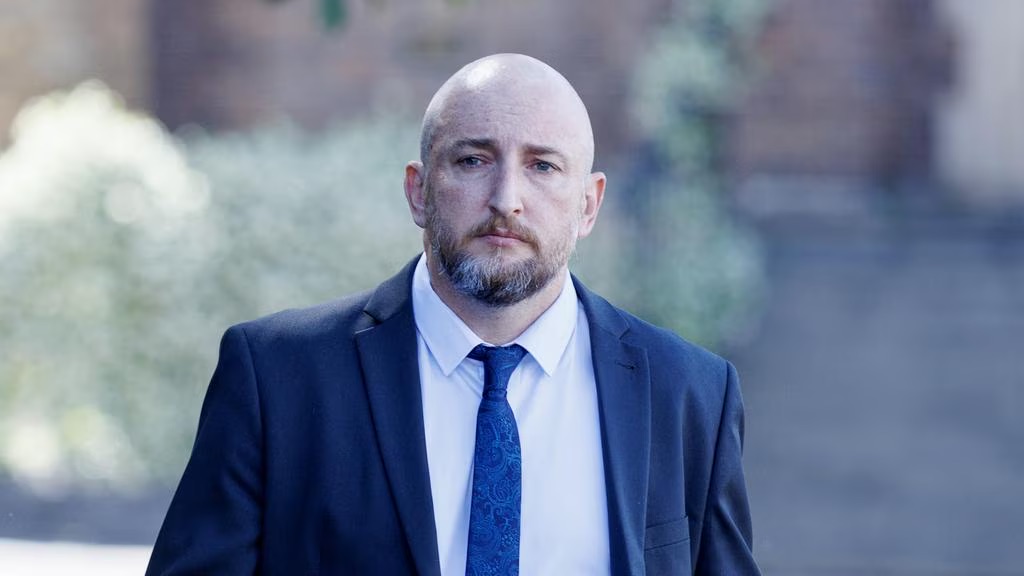
Crown prosecutor Phillip Strickland SC told the court a police operator had instructed officers not to pursue the stolen bike just one minute before the collision.
"The accused had relevant information that would allow him to conclude that the rider of the trail bike would go to considerable lengths to avoid capture," Mr Strickland said in his closing submission, as reported by the ABC.
"The fact that the accused knew about that directive ... should have acted to him as a specific warning."
The prosecution argued Mr Bryant, a police officer of more than 20 years' experience, should have known Jai would not stop.
"Our case is that in the circumstances of this case, as an experienced police officer with some 20 years of experience, the accused ought to have been aware of the potential danger," Mr Strickland told the court.
Judge Culver accepted the prosecution's case, stating: "The accused so seriously failed to properly manage the vehicle that he created a real danger."
Last year, NSW State Coroner Teresa O'Sullivan suspended the inquest into Jai's death and referred the case to the Department of Public Prosecutions (DPP) to consider whether criminal charges should be laid.
One month later, the DPP announced it had charged the officer with dangerous driving occasioning death and negligent driving occasioning death.
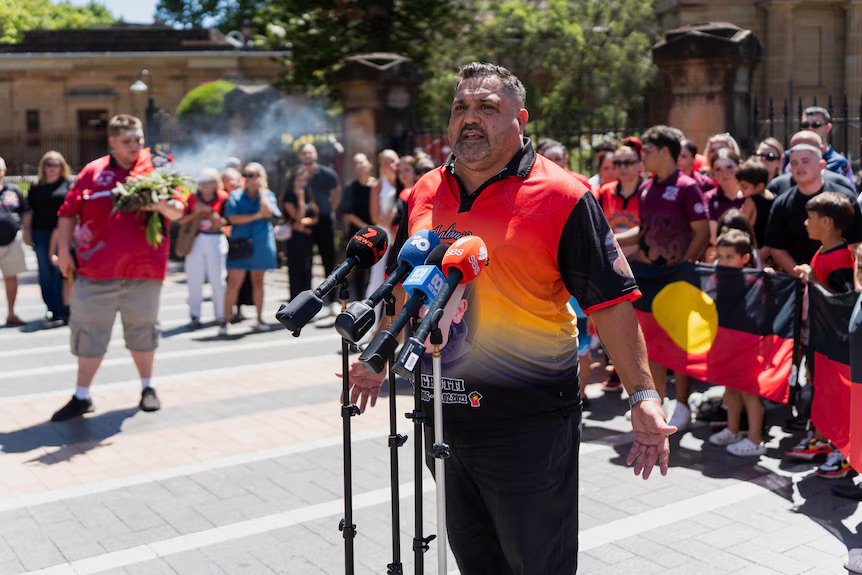
Speaking outside court, Jai's father, Lachlan Wright, said the family had to "put up with" the case not being pursued by police and the DPP for a long time, and that what happened to his son "shouldn't happen".
He told reporters he believed that from the "day of the accident, this should be the outcome".
"We had to put up with going to a coronial inquest," he said, as reported by the ABC.
"This doesn't completely change anything for our family and all our friends here, because we we don't have Jai and and Jai is not with us."
In a statement after the verdict, Principal Legal Officer of the Aboriginal Legal Service (ALS) NSW/ACT, Nadine Miles, said it is "rare for police officers to face criminal charges when they are involved in the death of a community member, and even rarer for a court to return a guilty verdict".
"We are not aware of a previous instance where a police officer has been held criminally responsible for the death of an Aboriginal person in custody or in a police operation in NSW," Ms Miles said.
She said it remained critical police are held accountable for their actions, arguing the community should feel safe in their interactions with police.
"It is shameful that the actions of some police officers show this trust is not earned or warranted," Ms Miles said.
"Police use force against Aboriginal people at vastly disproportionate rates. There is a particular lack of accountability for police who cause harm to Aboriginal people. The conviction of Benedict Bryant breaks with this trend and is an important step in the right direction."
Mr Bryant's lawyer, Paul McGirr, told reporters the police would appeal the verdict after they had read through the entire ruling, arguing he was "shocked at the decision" and the case was "a long way from over".
"A number of families, the police family and the young person's family are all hurting from this incident that could have been avoided if everyone was at home and in bed like they should have been," he said.
"It's a bigger problem in the community and with respect to youth out on the streets doing things they should not do."
Mr Bryant will be sentenced next year.
13YARN 13 92 76
Lifeline 13 11 14



