

Archaeological excavation work at the Juukan 2 rockshelter, which was destroyed by Rio Tinto in a 2020 mine blasting program, is entering its final phase and continues to provide exceptional insights into how people lived in and used the landscape surrounding Juukan Gorge for over 50 thousand years.
PKKP Aboriginal Corporation Deputy Chief Executive Dr Jordan Ralph said the excavation continued to extend the timeline for human presence at Juukan Gorge and was also providing a window into the evolving landscape and climate.
"Analysis of material excavated in 2014 showed that Aboriginal people first used Juukan 2 around 47,000 years ago, the latest excavation discoveries are pushing that beyond 50,000 years," Dr Ralph said.
A range of stone artefacts and tools, plaited human hair, shell beads AND the partial jaw of a Tasmanian Devil have been documented but the breadth of what has been unearthed includes evidence of past environments and vegetation as well as animals and human activity.
Together, these provide a much richer picture of the changing landscape and the people who occupied it.
For Puutu Kunti Kurrama (PKK) Land Committee Chairperson Burchell Hayes the work has also been about connection.
"We know the rockshelter was and is a special place for us and the discoveries that have been made throughout the excavation help bring us even closer to our people who were at Juukan tens of thousands of years ago," Mr Hayes said.
Associate Professor Michael Slack leads the archaeological team undertaking the excavation with ongoing support and cultural monitoring from PKK traditional owners. He first became involved with the archaeological work at Juukan in 2008.
"Nearly two decades later, the scale of the current investigation and the information it is producing are beyond anything we could have anticipated when it began. The archaeological work at Juukan 2 is extraordinary and very few rockshelters in Australia have been investigated at this level of detail," Professor Slack said.
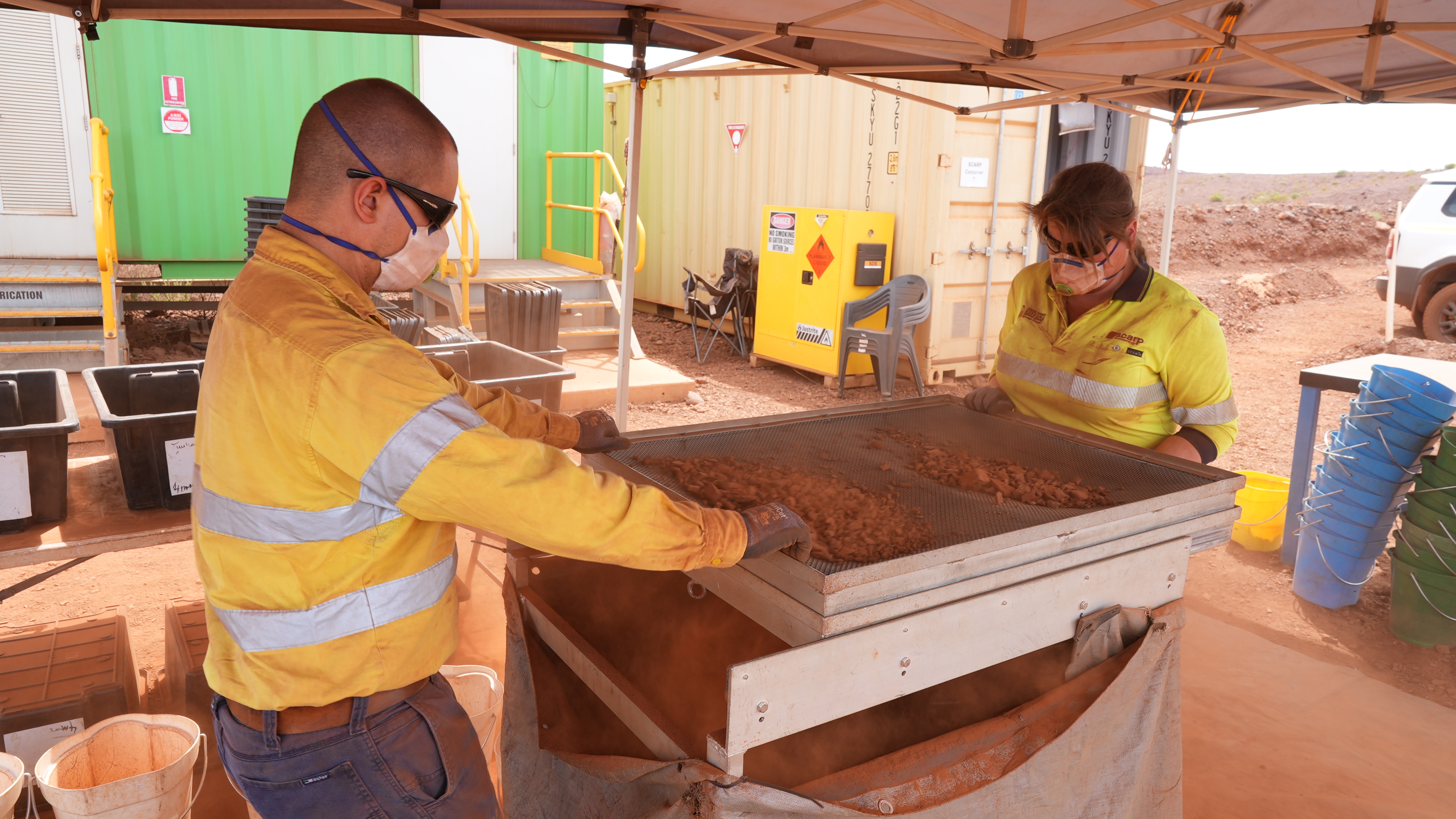
PKKP noted that while the excavation is entering its final stages there remains much work to be done.
"Completing the fieldwork is only one part of the process. The detailed analysis of the artefacts, fauna, sediments and environmental evidence will continue to build our understanding of Juukan for years to come," Professor Slack said.
While the destruction at Juukan Gorge remains painful, being involved in the excavation has had a positive impact on PKK Traditional Owner Terry Hayes.
"When it happened I didn't want to come back, it still hurts but seeing the care that is being taken to preserve the artefacts and learn more about the rockshelter and how it was used has been comforting," he said.