




Victoria's upcoming Treaty is a transformational step that will "reset the relationship between Blak and White Australia", according to Ngarra Murray, Co-Chair of the First Peoples' Assembly.
Delivering the 25th Dr Charles Perkins Oration Speaking in Sydney on Tuesday night, Ms Murray - a Wamba Wamba, Yorta Yorta, Dja Dja Wurrung, and Dhudhuroa woman - reflected on both Dr Perkins' enduring legacy and the historic significance of Victoria's imminent Statewide Treaty Bill; the first of its kind in Australia.
Coinciding with the 60th anniversary of Dr Perkins' Freedom Ride, she noted First Peoples had "survived policies designed to erase us, institutions built to exclude us, and a nation that for too long looked away from our truth", labelling Victoria's Treaty an "extraordinary" development.
"This is not a small step. It is a rupture in the national story, a shift in power, a promise that tomorrow can be different from yesterday," a copy of her speech read.
"Progress and justice are not linear progressions; they are moments in history when people take action."
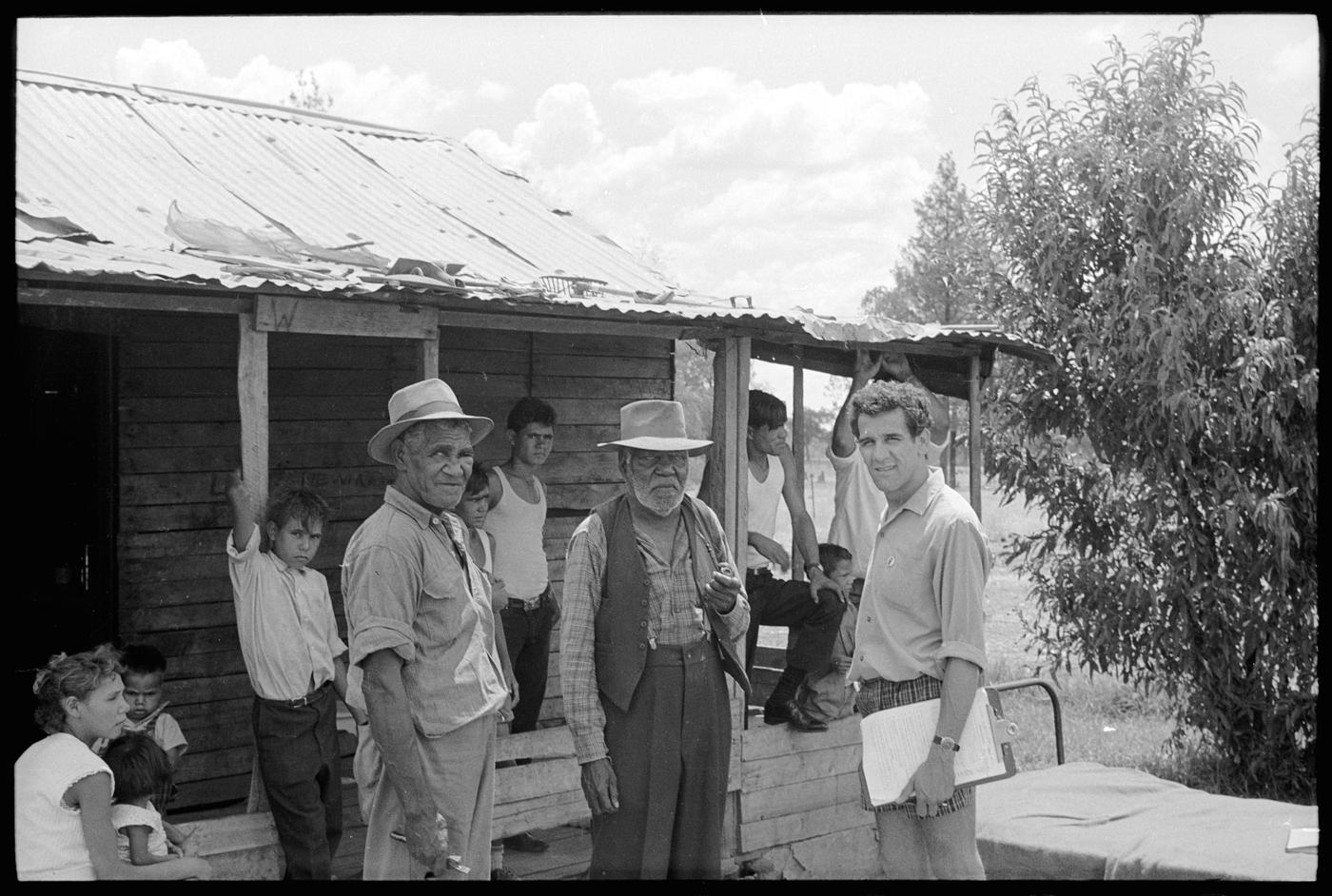
Ms Murray reflected on her family's seven generations of activism-from the 1881 Maloga Petition to modern Treaty negotiations-and described how early experiences in community meetings shaped her understanding of leadership and responsibility. She highlighted the influence of Dr Perkins' interactions with her grandfathers, Pastor Sir Doug Nicholls and Stewart Murray, and his visit to the Moama Local Aboriginal Land Council in the 1980s.
"We were in awe listening to him speak and we knew he was important as he wore a suit," she said.
"We grew up listening to the language of change, strategy and struggle, learning early what it means to carry responsibility. We witness the weight our parents and Elders hold, and we quietly absorb the lessons; how to speak up, when to stand firm, and why our voice matters.
"These experiences shape us into leaders before we even realise it, grounding us in a legacy. For me, in the 80s that was a moment, listening to Dr Perkins that day, and it left an impression on me."
View this post on Instagram
Earlier this month, the Treaty Bill passed Victoria's lower house with government and crossbench support, and could clear the upper house in the coming days.
Despite its wide support amongst the Indigenous population, the Victorian Opposition has vowed to repeal Treaty within 100 days if it wins next year's election, while some conservative commentators have argued the Assembly could function as another chamber of Parliament, despite lacking veto powers.
Some commentators have suggested Treaty threatens elements of Australia's rule of law and democracy, framing it as a government disregard for voters after the Voice referendum's defeat. Yet Treaty has been a key Labor policy in both the 2018 and 2022 elections, both of which delivered clear victories.
Under the legislation, the Assembly - elected democratically twice since its establishment - will be able to make representations to Cabinet, ministers, and both houses of Parliament. It will meet with the police commissioner, address Parliament once a year, and report on issues affecting Indigenous people.
Gellung Warl, meaning "tip of the spear" in Gunaikurnai, will be the new Aboriginal governance structure. Under this, the First Peoples' Assembly, along with a new, permanent truth-telling body and an accountability commission, will look to oversee policies to close the gap in Victoria.
The Victorian Liberals have argued Treaty is not the "best way to close the gap and deliver better outcomes for Indigenous communities," proposing instead a new department - First Nations Victoria - and an unelected Aboriginal advisory body - a move condemned as "deeply hurtful and disrespectful" by Victoria's peak Indigenous health organisation.
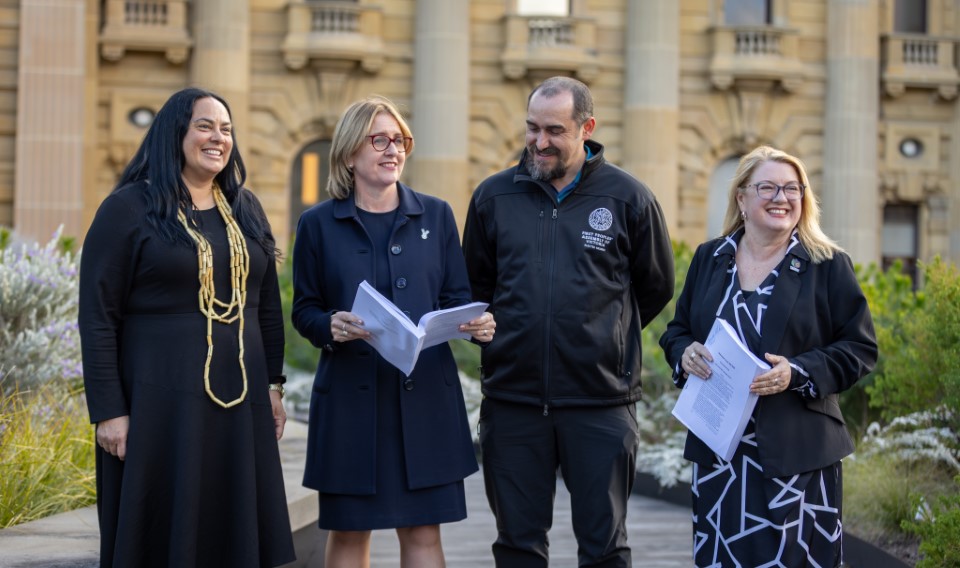
However, Ms Murray said policies and programs "work best when the people affected by them have a say in how they are delivered" - a core aim of Treaty.
"That's why this Bill proposes to put decision-making powers into the hands of the First Peoples' Assembly," she said.
She described the process as transformational, one which will "reset the relationship between Blak and White Australia" by recognising Aboriginal people as the experts on their own lives. Treaty, she said, is "not to divide Victoria, but to complete it".
"Treaty creates a new middle space where the unfinished business between the Crown and First Peoples relations can be addressed, and where communities can shape agreements that honour First Peoples culture, inherent rights and shared futures," she argued.
"Treaty is about new relationships grounded in truth and respect."



