




As Victoria's historic Statewide Treaty Bill heads to the upper house this week, the First Peoples' Assembly of Victoria is urging communities to take care amid concerns about misinformation, racism, and heightened public debate - as calls to Indigenous crisis line 13YARN reach record highs.
Earlier this month, the Bill passed Victoria's lower house with government and crossbench support, paving the way for the legislation to potentially clear the upper house within days. While the move has been widely welcomed by Indigenous communities in Victoria and across Australia, the Assembly says misinformation similar to that seen during the Voice campaign has again surfaced.
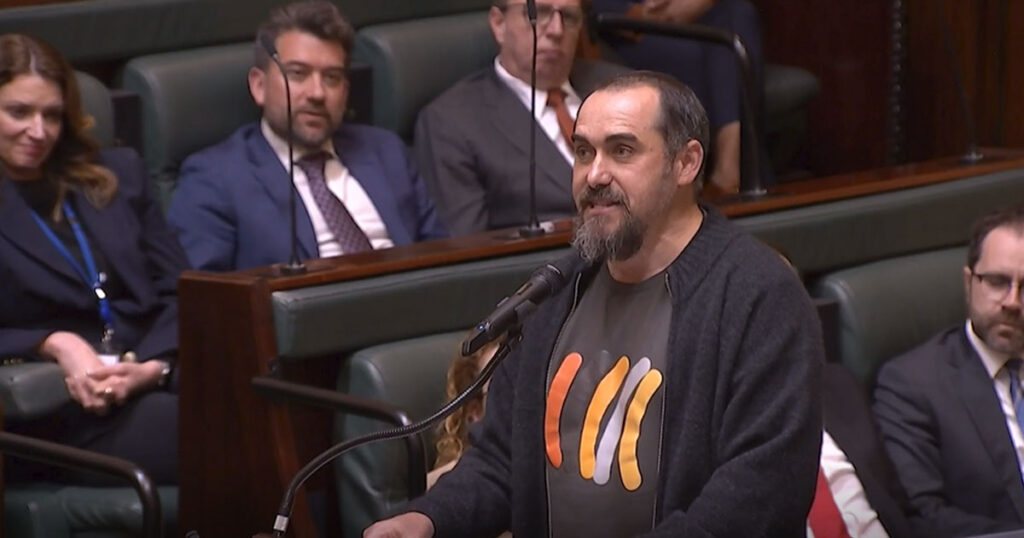
Assembly Co-chair and Gunditjmara man Rueben Berg said that as Treaty draws closer, "the usual suspects are ramping up their efforts to peddle misinformation".
"This Bill is just the next step in a decade-long journey to Treaty, yet the same old media commentators and fringe lobby groups are pushing misinformation, repeating tired, racist talking points and using international troll farms in a desperate bid to spread fear and doubts," Mr Berg said.
"They claim to care about our people, but time and again they oppose any change that would help our communities thrive. Treaty is simply about getting better outcomes for First Peoples."
The Victorian Opposition has vowed to repeal Treaty within 100 days of taking office if they win next year's election, whilst conservative commentators have continued to argue the Assembly will effectively be another chamber of Parliament, despite being unable to veto legislation.
Some published articles have argued Treaty threatens elements of Australia's rule of law and democracy, suggesting the government is ignoring voters after the defeat of the Voice referendum. This, despite Treaty being a key Labor policy at both the 2018 and 2022 elections, both of which delivered the party clear victories.
Under the legislation before Parliament, the Assembly - which has held two democratic elections since being established - will have the power to make representations to Cabinet, ministers, and both houses of Parliament. It will also be able to meet with the police commissioner, address both houses of Parliament once a year, and report on matters affecting Indigenous people.
Gellung Warl, meaning "tip of the spear" in Gunaikurnai, will be the new Aboriginal governance structure. Under this, the First Peoples' Assembly, along with a new, permanent truth-telling body and an accountability commission, will look to oversee policies to close the gap in Victoria.
View this post on Instagram
Furthermore, representatives from the Assembly will attend cabinet meetings at least twice a year, with all discussions held under strict confidentiality. However, the Treaty bill states nothing in Treaty will usurp or limit the power of Parliament to enact legislation or conduct its regular business, something both the government and the Assembly have repeatedly clarified.
The Victorian Liberals have argued Treaty is not the "best way to close the gap and deliver better outcomes for Indigenous communities".
Instead, they have proposed creating a new department - 'First Nations Victoria' - and an unelected Aboriginal advisory body. The current First Peoples' Assembly is made up of 33 elected First Nations representatives, who have led negotiations with the state government on behalf of Indigenous Victorians.
It was a decision condemned as "deeply hurtful and disrespectful" by the Victoria's peak body for Indigenous-controlled health organisations.
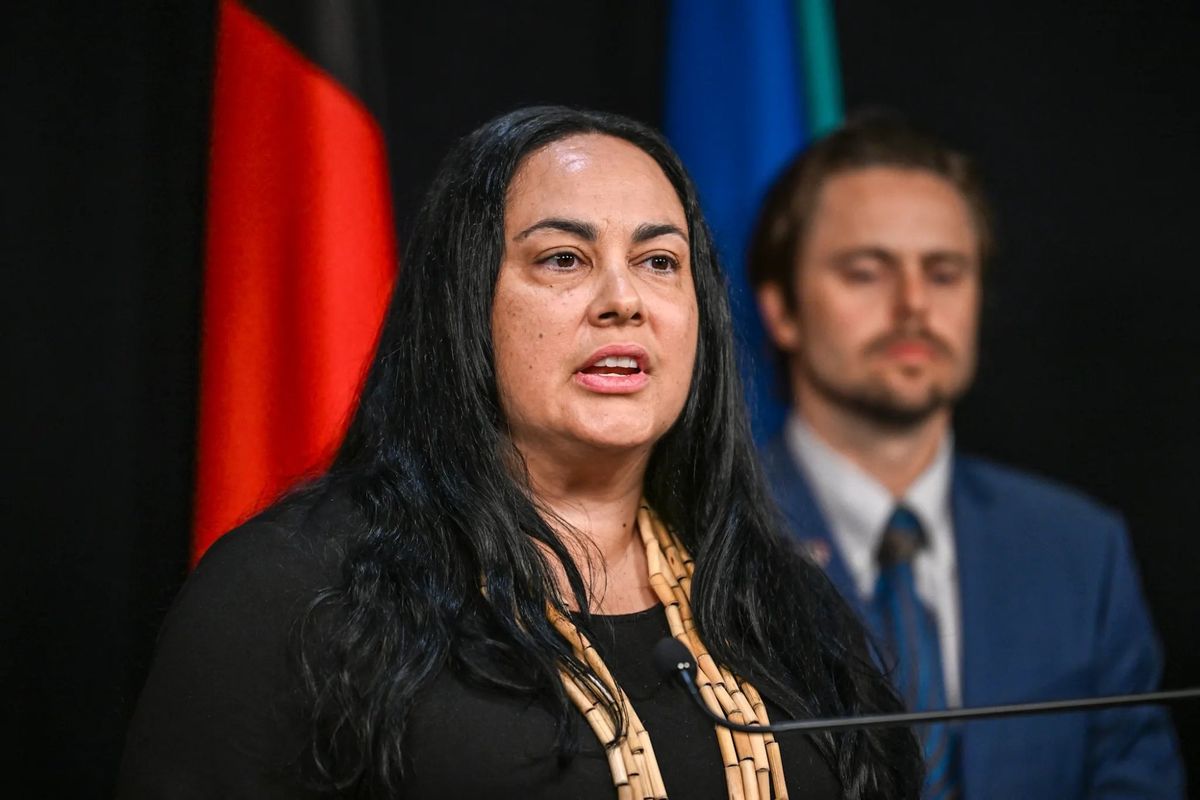
Assembly Co-chair Ngarra Murray, a Wamba Wamba, Yorta Yorta, Dja Dja Wurrung and Dhudhuroa woman, encouraged First Peoples to prioritise wellbeing during what is expected to be a tense period of public discussion.
"With Treaty and First Peoples set to be back in the headlines this week, I encourage mob to take care of yourselves and each other and stay safe," she said.
"You don't have to read the comments section if you don't want to. If you need support or a safe space to yarn, give 13YARN a call."
Her comments come as 13YARN (13 92 76), the national crisis support line for Aboriginal and Torres Strait Islander people, reports unprecedented demand. Lifeline's Head of Indigenous Affairs, Marjorie Anderson, said the service is now fielding more than 100 calls a day - almost double last year's average.
"We know that many Indigenous people are feeling overwhelmed or having difficulty coping right now, and that is reflected in our numbers," Ms Anderson said.
"Since September, 13YARN crisis supporters have been helping Mob in crisis over 100 times each day. It's quickly becoming the new normal."
Between 2019 and 2023, suicide accounted for around 20 per cent of deaths among Aboriginal and Torres Strait Islander people under 24, according to the Australian Institute of Health and Welfare. Ms Anderson said young people, in particular, face "shame, access issues and cultural barriers" when seeking help.
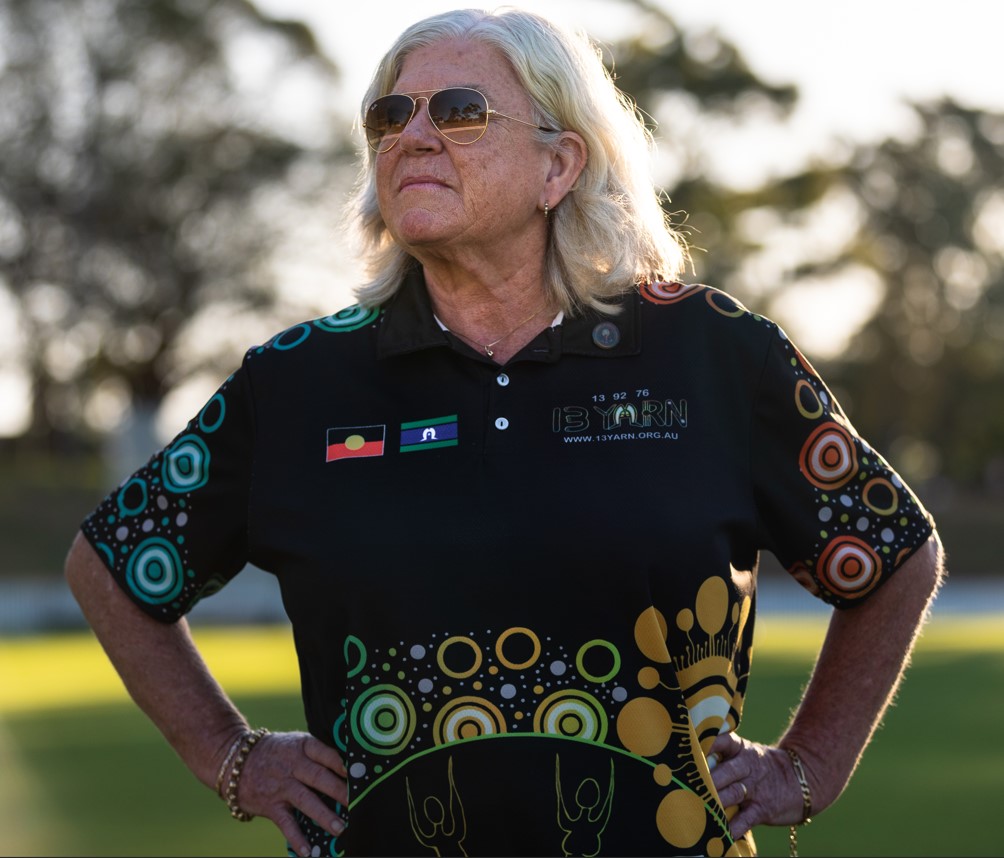
To better reach them, 13YARN plans to launch a text and webchat service, allowing those without privacy or safety to speak by phone - including people in family violence situations - to access support.
"Our aim is to get to a place where every Indigenous Australian can access culturally safe crisis support," Ms Anderson said. "It is free, confidential and anonymous - no shame, no judgement."
The Assembly announced this week they have given a contribution to 13YARN - believed to be several thousand dollars - to support their vital work.
Ms Murray, along with the Assembly, also urged allies to show visible support during the debate.
"We're stronger when we're together," she said. "If you support Treaty and progress for First Peoples, please speak up ... and call out misinformation when you see it. Every voice of support matters."
13YARN - 13 92 76
Lifeline - 13 11 14



