




During last year's referendum campaign, a number of long-time Indigenous advocates campaigned for their belief that a Voice to Parliament was the best way forward for Indigenous people.
Along the way, they faced vitriol, racism, and criticism as they attempted to promote the Voice.
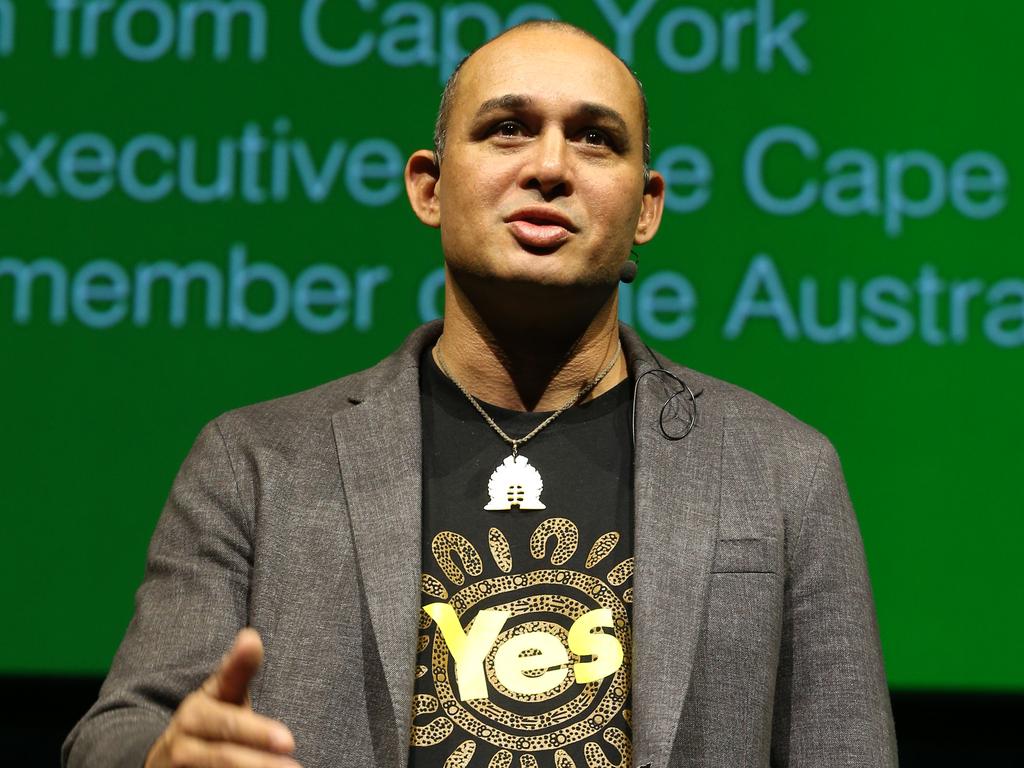
One advocate in the spotlight was quietly-spoken Kaurareg Aboriginal and Kalkalgal, Erubamle Torres Strait Islander man Thomas Mayo.
It appeared archives were trawled through for anything Mr Mayo had said in the past, and even relatively benign comments were pounced upon by a fear campaign.
"Snip a clip from an impassioned speech here, extract a quote from a debate there, present it all together, and there you have it – the scary Black man trope," Mr Mayo says about the media coverage, in his new book, Always Was, Always Will Be: The Campaign for Justice and Recognition Continues.
A leader of the Yes 23 campaign, Mr Mayo co-authored the bestselling book 'The Voice to Parliament Handbook' with Kerry O'Brien last year. He told National Indigenous Times part of the inspiration behind his new book was to help people who were asking "what can we do now?"
"I thought it was important to answer that question, because it is a very difficult question to answer in the absence of succeeding to get a voice," he said.
"You know, if we had won the referendum, there'd be a national body by now that would be guiding Australia to start to get things right. But that hasn't been the case."
His recount of the campaign highlights 'bad actors' in the media, who played the "angry Black man who is here to take your backyard" trope.
Throughout, racist abuse was forthcoming towards Indigenous Elders, advocates, and Yes campaigners - as well as those Indigenous people who chose to vote No. When Indigenous leader Marcia Langton called out racism on the No side, she was subject to extensive levels of vitriol condemning her comments.
At one point, a full-page ad was taken out in the Australian Financial Review featuring a cartoon depicting Mr Mayo in ragged shorts and a red shirt emblazoned with a hammer and sickle, appearing to dance for money.
"What we saw through the referendum, and what we see still today - more intense than it has been for a long time - is a tactic of intimidation," Mr Mayo said.
"The people that were nasty, that were leading the no campaign, their whole purpose is to silence us, and we cannot let that intimidation silence us."
He says the book was about giving people hope, noting the 40 per cent who voted yes across the country was only the start of bigger things to come.
"It's very much about helping people to dust themselves off, as Indigenous elders have done over a long period of struggle, every time we've been told no and eventually achieved a yes," he said, highlighting the six million people who voted Yes, along with the 60,000 volunteers.
"That's what helps me to defy it, and that's part of the reason for the book as well, to celebrate the work that was done and the people that were involved and our survival and resilience.
"Despite them trying to stop us…if we continue to fight, we will eventually achieve justice and recognition for our people."
National Indigenous Times spoke with Mr Mayo in the aftermath of outgoing Minister for Indigenous Australian Linda Burney giving her valedictory address to Australian Parliament, where she noted the disappointment of the result for many First Nations people but argued with each passing generation, "we bend the moral arc of the universe closer to justice".
He said he agreed with her comments, believing it's inevitable the changes attempted last year would come to fruition.
"It's only a matter of time, and I know that, and I have hope," he said. "Young people voted yes, and young people continue to learn in schools the truth of our past and our present."
"We've always been told "no" before we eventually achieve "yes". Whether that's about equal wages, or about the right to vote, or for land rights and native title, the answer was always no."
Asked what the future holds after his book tour, Mr Mayo said it was about continuing to "steep up" and do "what needs to be done".
"That's all I've ever done," he said.
"If we all do our bit, then that's how we can achieve justice and recognition."
Always Was, Always Will Be: The Campaign for Justice and Recognition Continues by Thomas Mayo, published by Hardie Grant Explore, is out on 2 September 2024
The book launch at the Australian National Library will be available to view live online via the Library's Facebook and YouTube pages. You do not need to book a ticket to watch the event online.
A book tour will take place across the country. Tickets can be found online.



