


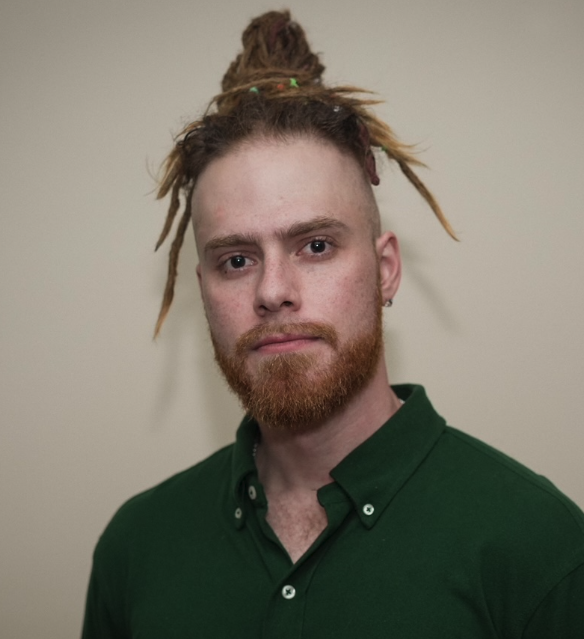

To begin National Reconciliation Week, Ambulance Victoria paramedics and staff have shared their views on reconciliation and the importance of ongoing commitment to justice for Indigenous people.
Gunaikurnai man and Paramedic Eddie Wright, now proud of his Indigenous heritage, grew up in the late 1960s and 1970s when his family avoided discussing their ancestry.
"I had a feeling growing up that I was Indigenous, but it was something we didn't speak about," Mr Wright said.
"When I was around six years old, my family went to a farm to meet an Indigenous woman who I came to understand is my great grandmother.
"Back then, my family didn't want to have that discussion."
In 2021, Mr Wright took a DNA test that confirmed what he had suspected for decades, that he had Indigenous ancestry.
"It's part of my heritage now that I know," he said.
"It's a shame I didn't get the chance to recognise it growing up, but I am proud knowing that I'm a part of the oldest living continuous culture in the world."
Mr Wright said that it was important that reconciliation be a shared experience by all Australians regardless of their background.
"National Reconciliation Week isn't about 'us' and 'them,'" he said.
"It's about everyone coming together, understanding the conversation, and reflecting on our shared histories and how we all contributed to where we are now and where to go from here."
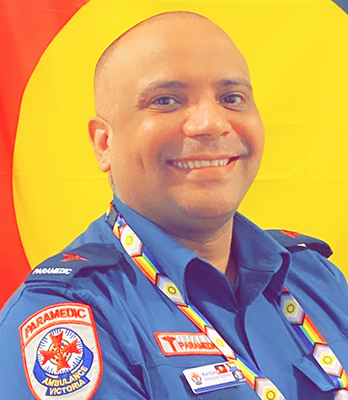
Paramedic Kenton Winsley, a proud Ngan'gi man, was born and raised in the Northern Territory, growing up in Belyuen on the Kenbi Lands.
He said reconciliation meant embracing a journey of healing, respect, and unity between Aboriginal and Torres Strait Islander Peoples and non-Indigenous Australians.
"I am incredibly proud to be First Nations because of the deep richness of our cultural heritage, the unbreakable bond we share with the land, and the enduring strength of our communities," Mr Winsley said.
"Our stories, languages, traditions, and wisdom have withstood the test of time and adversity, showcasing our resilience and spirit.
"Reconciliation is about acknowledging the truths of our shared history, addressing the injustices of the past, and committing to a future where equity and mutual respect prevail."
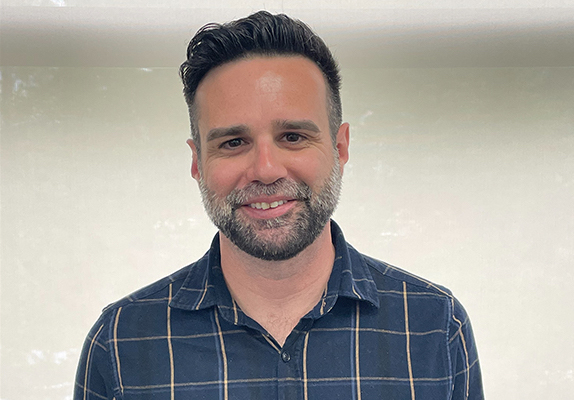
The Acting Director of Diversity and Inclusion at Ambulance Victoria, Joel Pearlman, is a passionate supporter of reconciliation.
He said respect was an essential part of demonstrating commitment to reconciliation.
"National Reconciliation Week is a great opportunity for everyone to listen to learn and reflect on the experiences of Aboriginal and Torres Strait Islander peoples and communities" Mr Pearlman said.
"It's a chance to better understand the role every one of us can play in reconciliation.
"An example of showing respect to Aboriginal and Torres Strait Islander history and culture is to do an Acknowledgement of Country at formal meetings or events."
He encouraged everyone to support National Reconciliation Week and do what they can to support reconciliation.
"Reconciliation can only be achieved if non-Indigenous Australians are actively engaged and committed to working with Aboriginal and Torres Strait Islander peoples and communities," Mr Pearlman said.
National Reconciliation Week runs from Monday, 27 May to Monday, 3 June.
It is a time for all Australians to learn about our shared histories, cultures, and achievements, and to explore how each of us can contribute to reconciliation in Australia.



