



On February 27, 1968 in Tokyo Lionel Rose ascended to boxing's heights, taking the world bantamweight title from Japanese fighter Masahiko Harada.
In the lead-up he'd been in Kilcunda; a 'blink and you'll miss it' town overlooking the Bass Strait in Victoria's south Gippsland.
Kilcunda had a touch over 500 residents in the 2021 census with a barely 100 metre-long cluster of shopfronts and the few surrounding streets among rolling hills.
However small, it played a major hand in Rose becoming a global name.
Before his 20th birthday, Rose was Australia's first Indigenous world champion - the country's second overall, and later the first Indigenous person to be named Australian of the Year in recognition of the feat.
He was already a local celebrity in Killy, as the locals call it.
Back then, everyone knew everyone in Kilcunda. For a period, Rose was one of them.
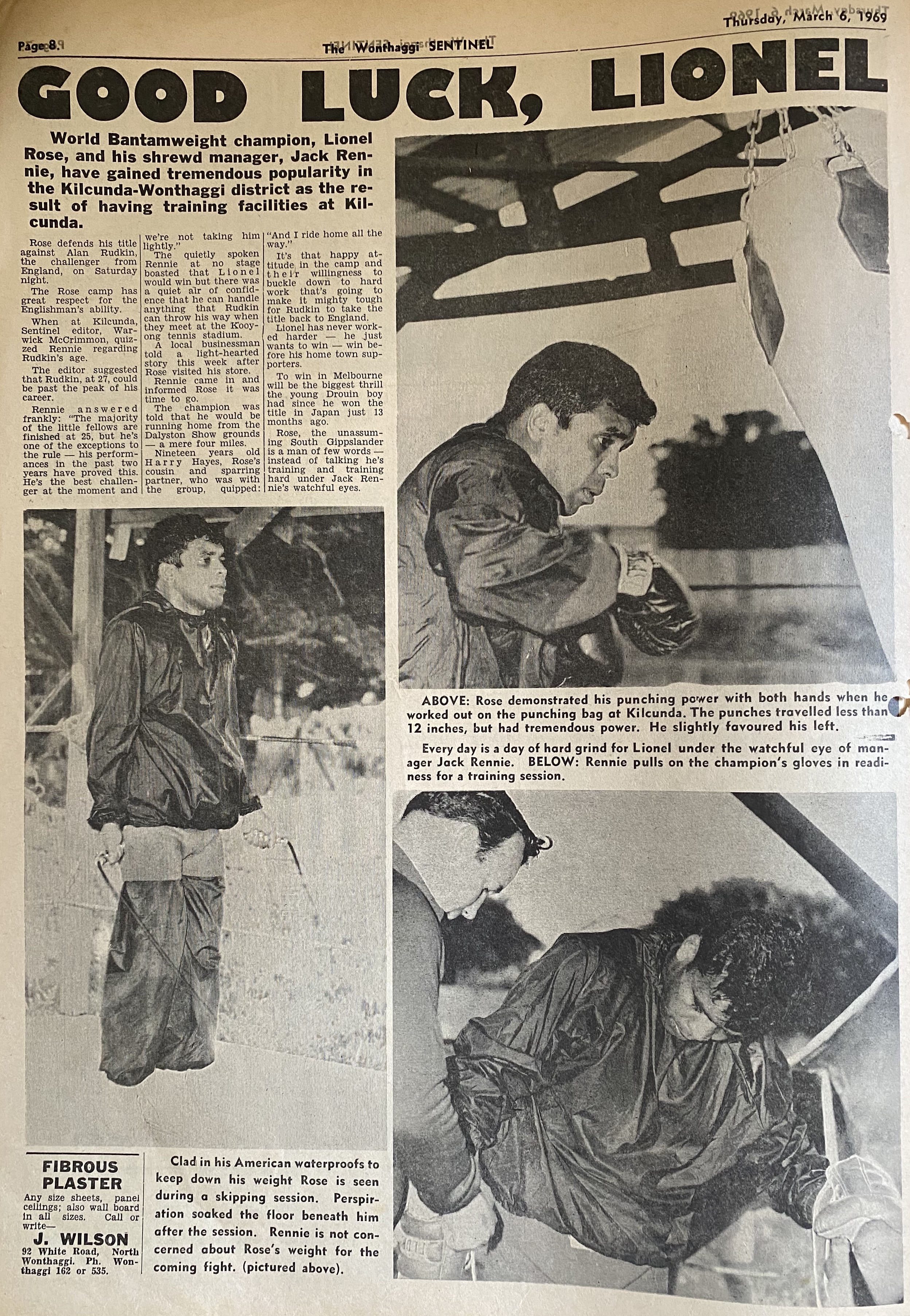
Rose prepared for the fight with friend, trainer, manager and legendary Australian boxing figure Jack Rennie in a ring constructed out back of a house near the local pub.
More than half a century on, ears still perk up and personal stories are shared with a mention of his name - particularly from those who are old enough to remember him running up and down the beach.
Life-long resident Tommy Burns told National Indigenous Times the place was owned by Rennie's brother; with Rose and a list of other fighters coming in-and-out of the town.
According to the Wonthaggi Sentinel in February 1968 both Rose and Rennie were "keen rock fisherman" around the local coast.
Mr Burns lived two doors down from the Rennie house.
"You knew when he (Rose) was in the town," he said.
"In those days nobody knew where Kilcunda was, or wanted to! They called it the windiest bloody place in Australia.
"When he was fighting and winning titles everybody in the town would have known. We probably, in those days, thought he was one of us."
Articles in local papers about anything from training and fights to Rose attending local dinners and events were common in the late 1960s and early 1970s.
National Indigenous Times was told local kids were often (friendly) sparring partners.
Wonthaggi & District Historical Society's Jenny Churchill remembers how she and other kids would react seeing "this world champion running in Kilcunda" on the bus to school.
Ms Churchill, another life-long Kilcunda resident, said she watched 'our Lionel' win the world title on a black-and-white telly.
"He was just part of Killy…that's my memory…he was just one of us," Ms Churchill told National Indigenous Times.
"He was big…I mean, we cried when he won because it was just so emotional.
"I didn't know him well, but as a kid you looked up to him. He was like your brother, you know? That's me. That's how I (remember the time).
"He was just an ordinary chap, and yet he achieved an extraordinary thing."
Residents told National Indigenous Times Rose's friends and family have been regular visitors since, including Olympic gold medallist and former NT senator Nova Peris.
They said Rose's cousin and Australian flyweight champion Harry Hayes also spent time training at the Rennie house.
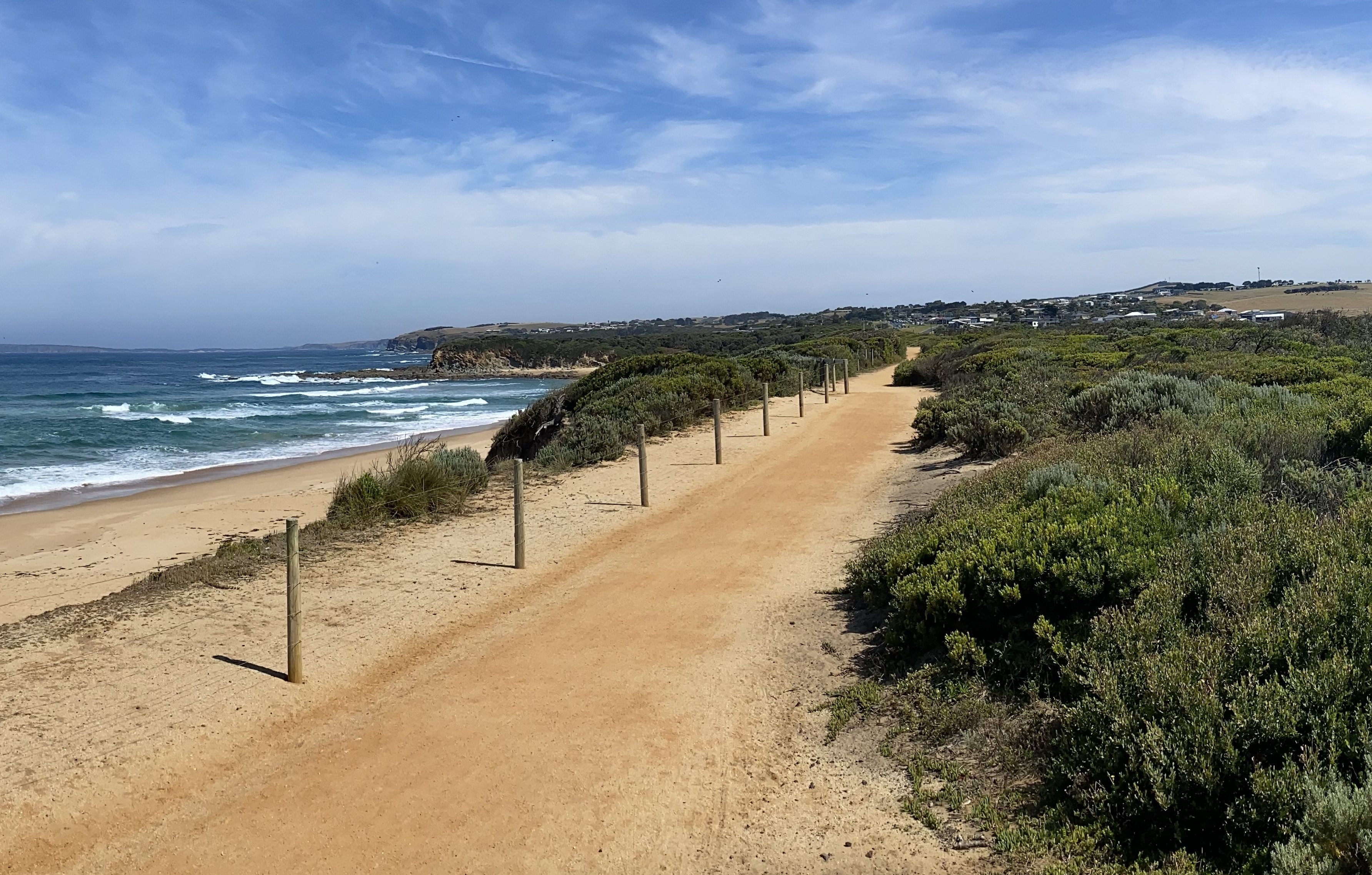
For decades the carpark used by surfers, beachgoers and tourists was referred to as 'Lionel's'. It's where Rose started off his runs.
Around 20 years ago the name, in an albeit modest piece of recognition, was made official.
Ms Churchill was working at the local council at the time. She said Rose is a piece of her home's legacy.
"I figure that once I'm gone, that's the last generation that would know anything about Lionel Rose at Kilcunda," Ms Churchill said.
In 2010, the boxing champion was immortalised with a life-size sculpture in his hometown, Warragul.
Kilcunda played their part in making it happen with Kilcunda Ocean View Hotel contributing thousands towards buying one of the dozen or so smaller statues made available in the fundraising effort.
Peter Davis, who owned 'Killy Pub' at the time and knew Rose around town as a boy, hosted a sportsmens night to help gather the funds.
He said Rose was brought to tears on learning his accommodation after attending the night was his old backyard ring, which has been developed into a bungalow named in his honour.
Mr Davis said Rose visited for years and years after hanging up the gloves.
"He loved Kilcunda…and it was always his intention, maybe, to come back here one day. He had a significant impact," Mr Davis told National Indigenous Times.
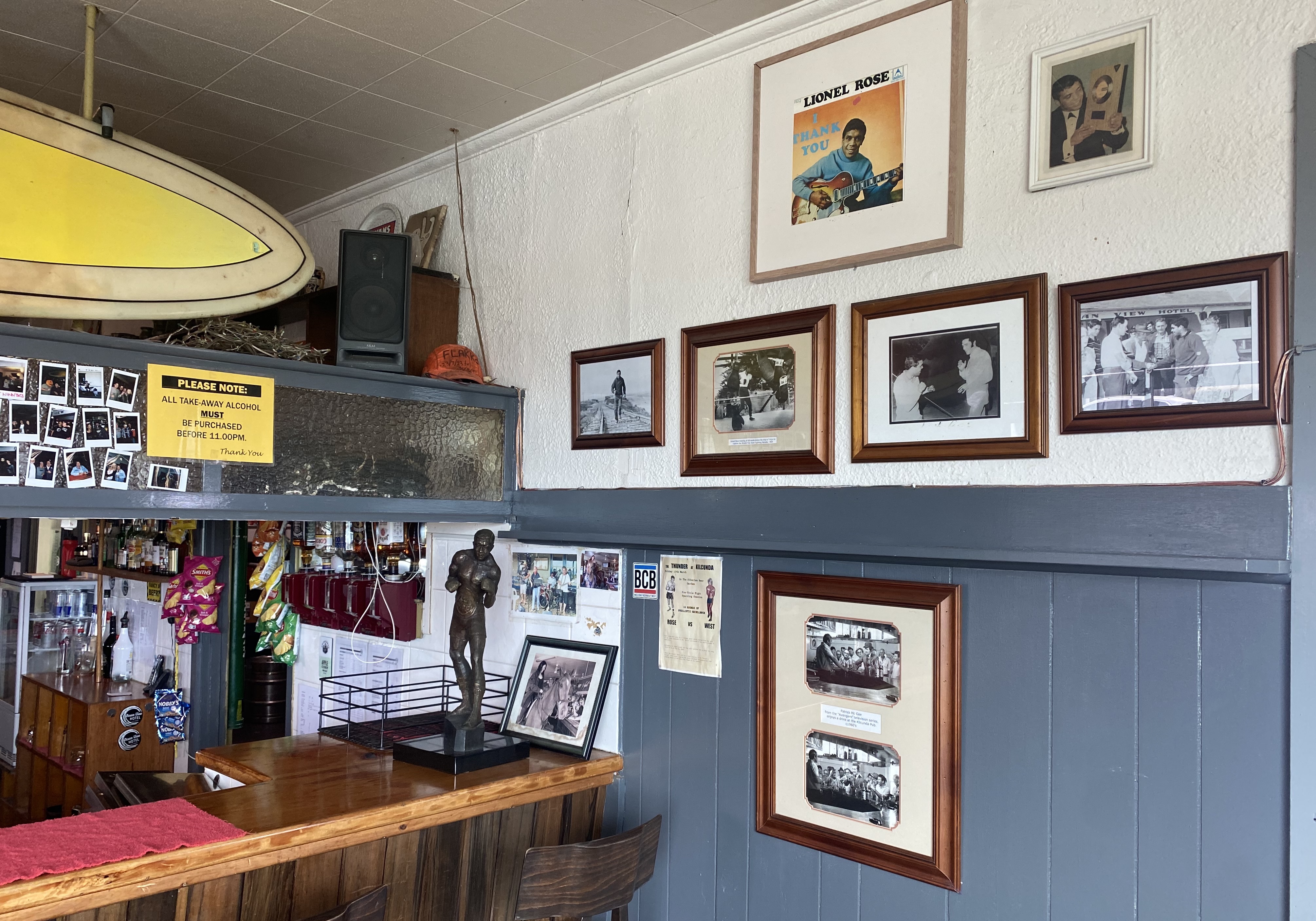
Photos, memorabilia and the statue are still on proud display beside the bar at the pub.
Rose retired in 1975 with a professional record of 42 wins-11 losses. He died aged 62 in 2011.



