



Running the New York Marathon was never just about crossing the finish line for Shannon Stack, it was about changing his life.
The proud Yamatji Noongar man from Boorloo recently participated in the iconic marathon as part of the 2024 Indigenous Marathon Project (IMP), he discovered that what began as a physical challenge turned into a profound journey of personal growth, cultural pride and community connect.
"The project and the foundation—a lot of people think it's just about running, but it's so much more," said Mr Stack.
"It's about the connections you make, it's about inspiring Indigenous and non-Indigenous people to live a healthier lifestyle, and getting out of your comfort zone to chase your dream, no matter what they are."
Although running a marathon is a test of strength and endurance, Mr Stack emphasised that the six months of preparation leading up to the race were the real test of his resilience.
"The marathon is actually your victory lap," he said.
"The hardest part is the training—the six months leading up to it were some of the most challenging times of my life."
The training schedule was relentless—six days a week, rain or shine, with long-distance runs, speed sessions, and mental conditioning. Yet, training wasn't the only challenge. Mr Stack has to balance his running commitments with work, family and daily responsibilities.
"There were days I was absolutely exhausted, both physically and mentally. You wake up early for training, go to work, come home, and try to find time for family. It was one of the biggest juggles I've ever had to manage," he said.
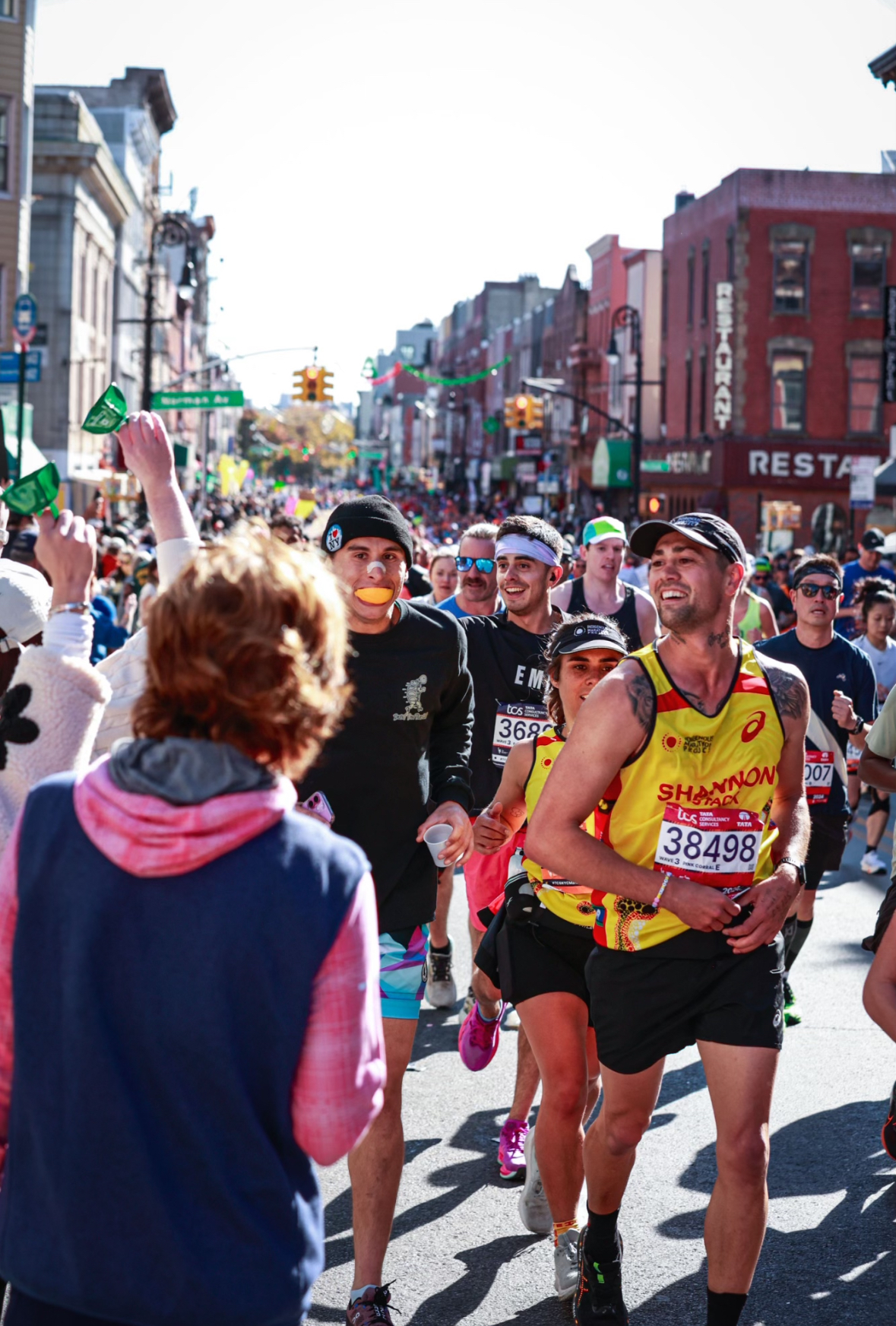
The mental aspect of the preparation was just as tough, if not tougher, than the physical side.
"They say you have to mentally become a marathoner before you can physically run a marathon, and I really felt that. There were days I doubted myself, days I thought I wouldn't be ready. But by the time I got to New York, I was mentally prepared—and that made all the difference when I was out on the course," he said.
When marathon day arrived, he was overwhelmed by the atmosphere and energy of New York City, he described the day as the best he's had in a very long time.
"Starting on Staten Island, running across the Verrazzano-Narrows Bridge, and going through Brooklyn and Queens—the energy of the crowds was incredible."
One of the highlights for Mr Stack was running alongside fellow squad member Millie Telford for the first 27 kilometers.
"Running with Millie through the hype and energy of the crowds was just incredible. The support we felt was unforgettable," he said.
But the real challenge came later in the race.something IMF founder and Australian former world champion marathon runner, Rob De Castella, often emphasised.
"Uncle Rob always says the marathon starts at 30 kilometers, and he was absolutely right. Around 33 kilometers, I hit the wall—mentally and physically, I was struggling," said Mr Stack.
"My legs felt like they were giving out, and every step was a battle. But hearing the crowd call my name and knowing I was so close to the finish line kept me going."
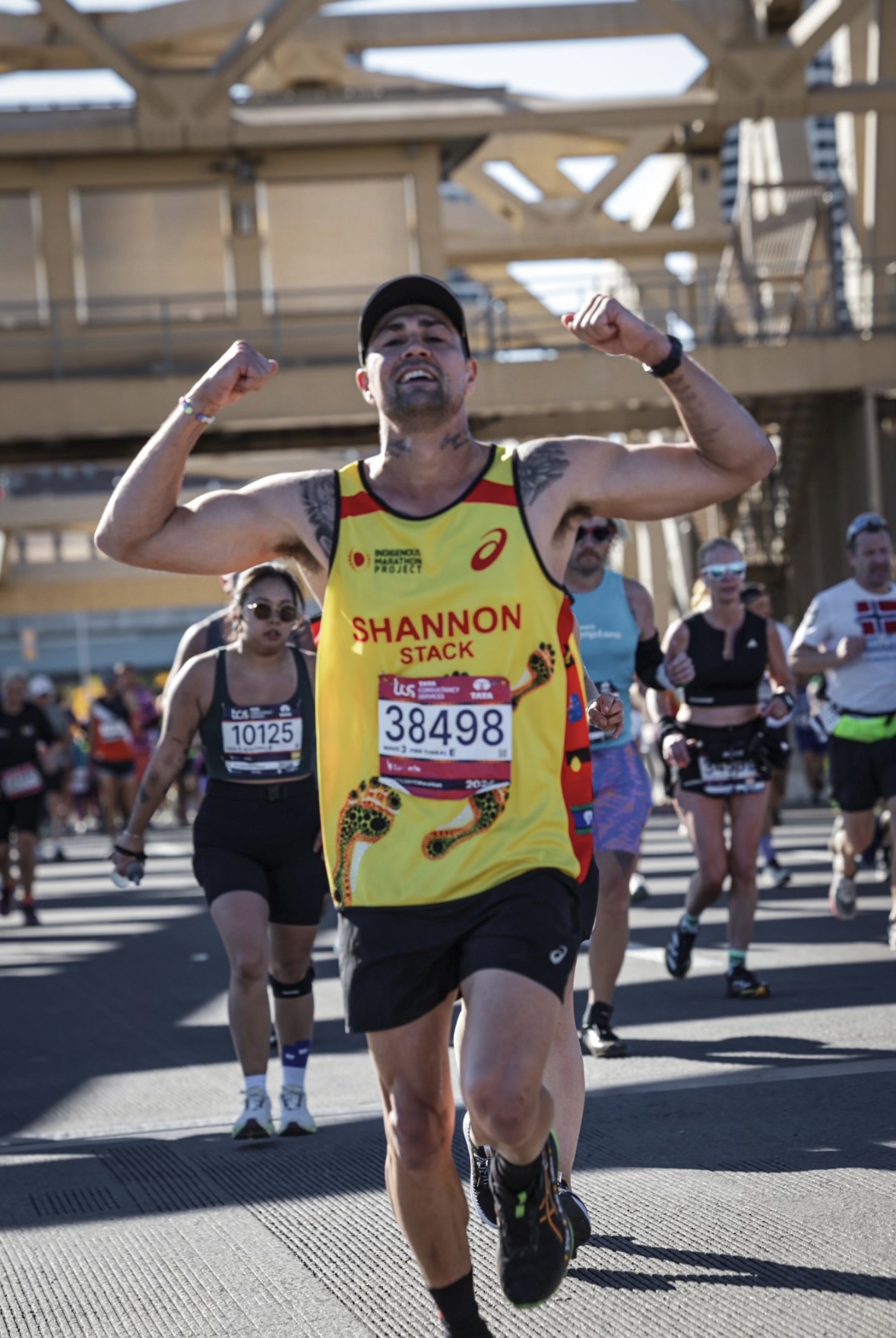
Despite all the pain, he pushed through it, driven by sheer determination and encouragement from the crowd. Crossing the finish line was a moment he will never forget.
"It was completely exhausting but absolutely worth it."
Another achievement he accomplished was achieving his goal of completing the marathon in under four hours, overcoming hills, fatigue, and physical strain.
But Mr Stack wasn't alone in his journey. The guidance and support from past Indigenous Marathon Project graduates played a significant role in helping him and his squad members navigate the challenges of training and race day.
"One of the most inspiring parts of this journey was having past marathon runners guide us," he said.
"They've been through it before, they know the struggles, and they know the triumphs. They reminded us that we could do it, even when it felt impossible."
The camaraderie and wisdom shared by those who had gone before him became a crucial source of strength, especially during the toughest parts of the marathon.
"Their words stayed with me, especially in those final kilometers when everything hurt, and it felt like I couldn't take another step. They showed us what was possible, and that made all the difference."
Back home in Perth, Mr Stack's commitment to health and connection continues through the RAW (Running and Walking) program, part of the Indigenous Marathon Foundation's broader mission to promote community health and fitness.
Every Sunday, Mr Stack, previous IMF runners, and local mob gather at locations like Burswood Park or Lake Monger, creating a space that goes beyond running or walking—it's about building community, sharing stories, and offering support while staying active and connected.
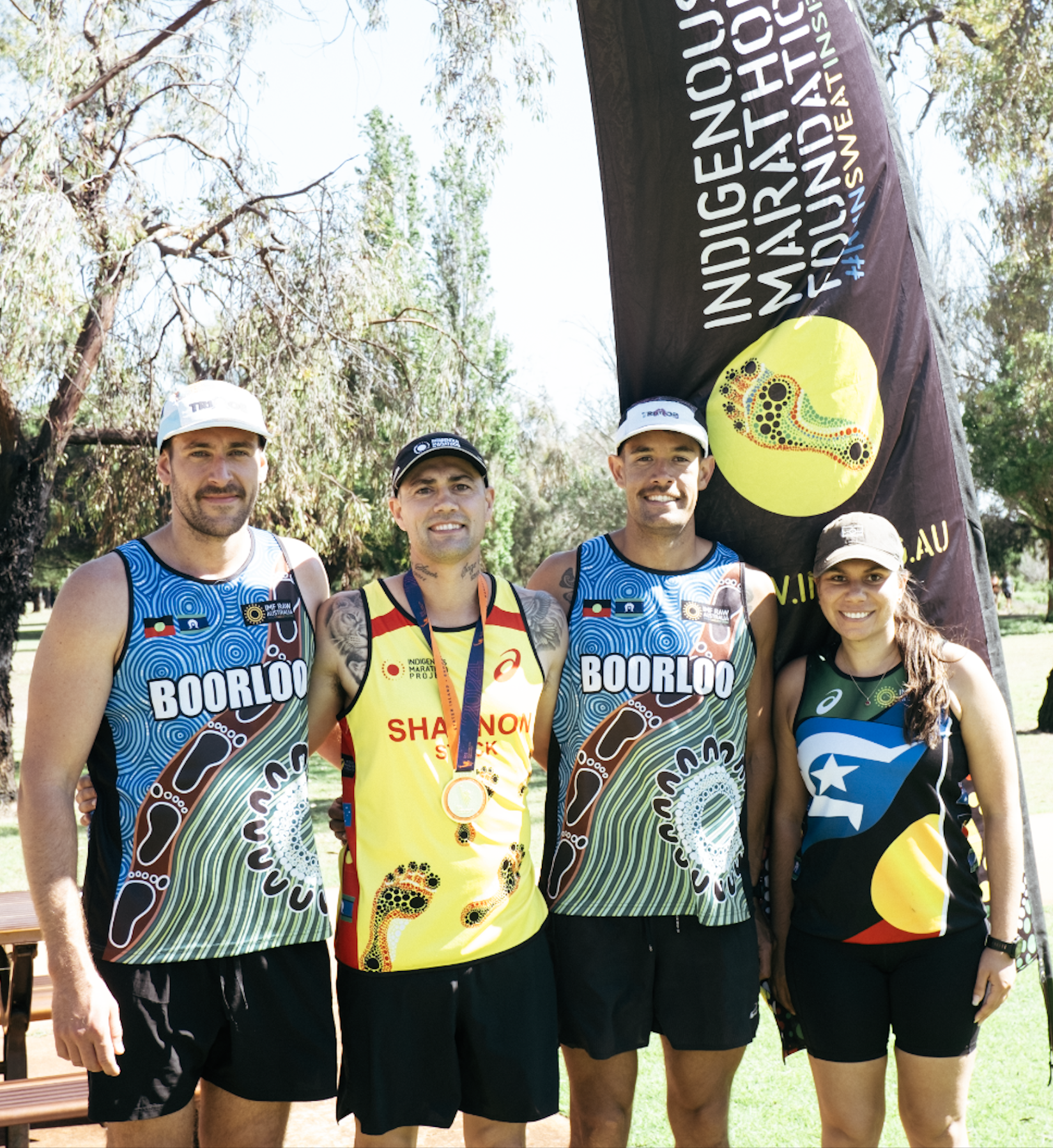
He encourages others to join programs like RAW, emphasising the sense of belonging and support they provide.
"It's about being there for each other and making sure everyone feels supported, no matter where they're starting from."
For those considering joining the Indigenous Marathon Project or starting their own fitness journey, Mr Stack offers a heartfelt advice:
"The first step is always the hardest, but once you take it, you'll find your motivation. You'll have ups and downs, but being part of a supportive community makes it all worthwhile."
He also encourages aspiring participants to take the leap and trust the journey, it changed his life maybe it can change others.
Try outs for the Indigenous Marathon foundation 2025 are open.



