
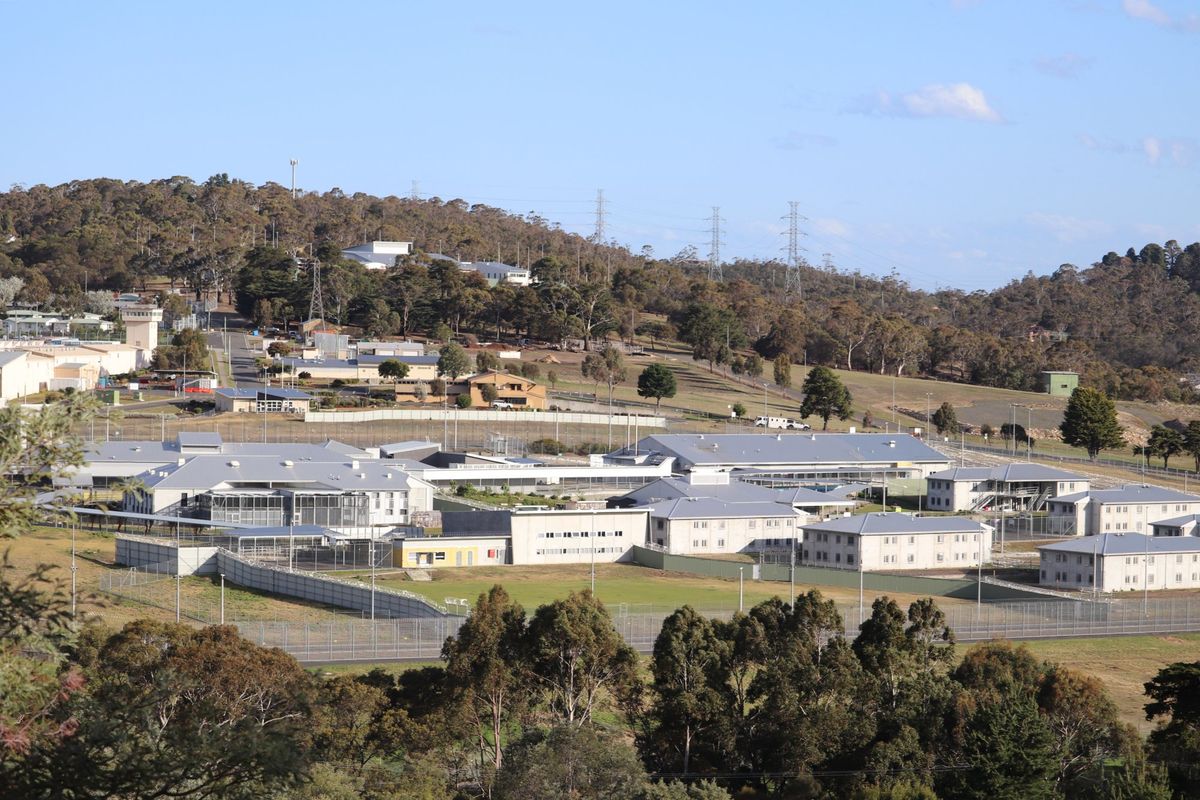
The Tasmanian Aboriginal Legal Service has called for lasting reform and stronger cultural safeguards, following revelations a years-long unsanctioned regime at Hobart's Risdon Prison subjected inmates to "cruel, inhuman and degrading treatment".
Detailed in the Custodial Inspector's Hostile Management Regime Review, released on Thursday, the unsanctioned punishment regime operated for several years at Risdon Prison between 2022 and 2024.
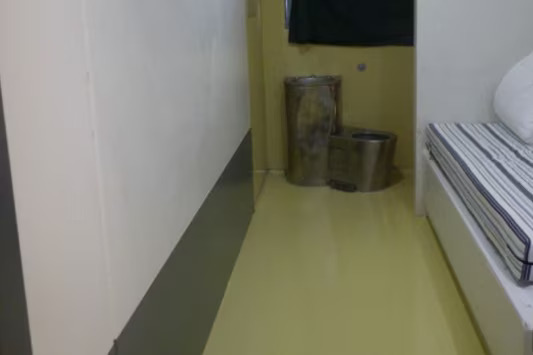
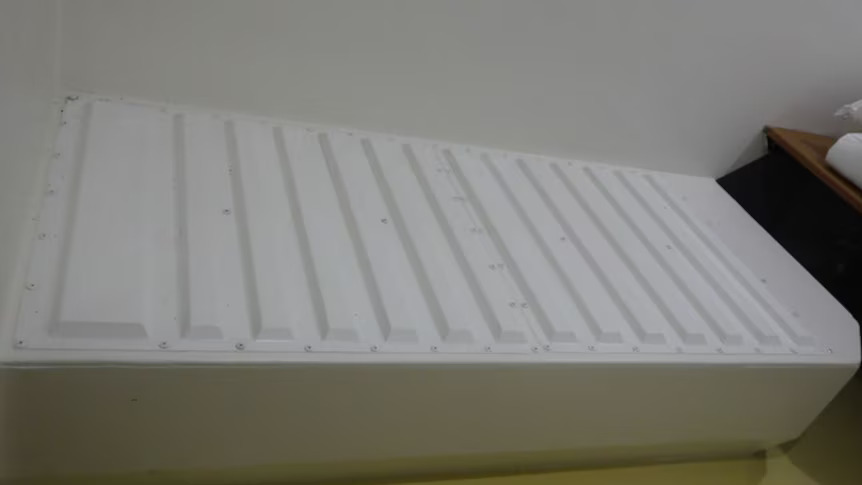
The report detailed a regime where inmates considered hostile or who had committed serious prison offences were placed in cells stripped of basic necessities, with their rights and belongings gradually restored over seven days according to undefined standards of 'compliance'.
"The Inspector found people were left without basic items, meaningful human contact and access to ordinary activities," Tasmanian Aboriginal Legal Services CEO, Jake Smith, said.
"Some described sleeping on concrete floors, without mattresses, and having to lie on the floor to receive meals."
At least 30 people reported being subjected to the regime.
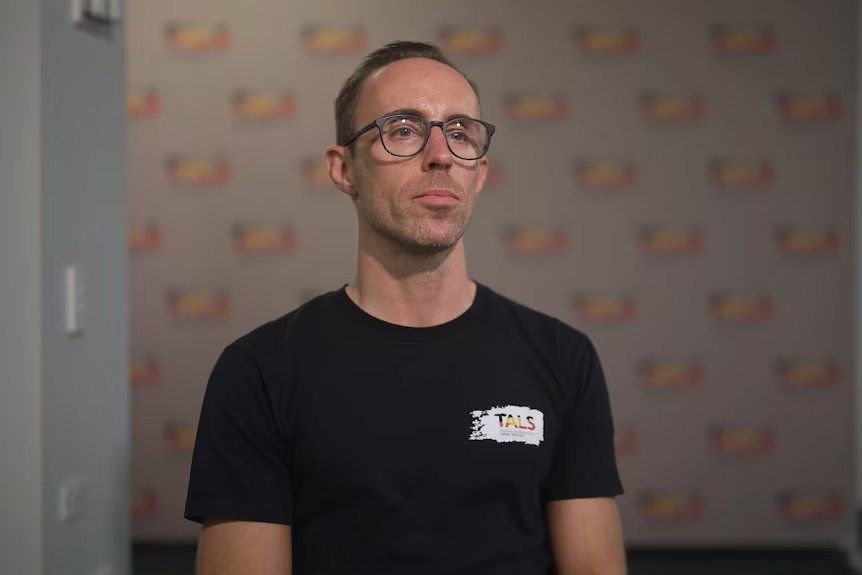
"The Inspector concluded that the treatment amounted to cruel, inhuman and degrading treatment, breached human rights and did not improve behaviour or prison safety," Mr Smith said.
Mr Smith said the findings were deeply concerning considering past failures of the Tasmanian prison system.
"People do not lose their human rights when they enter prison. What this report describes is degrading treatment that should never have been allowed to happen," he said.
"Behaviour management cannot be based on stripping people of their dignity, basic necessities and human contact. The Inspector has made clear that this regime was not only harmful, it was ineffective."
The report said solitary confinement has a serious impact on wellbeing, "and this is compounded for Aboriginal people".
Mr Smith said the report confirmed Aboriginal peoples were among those subjected to the regime.
"It also highlights the particular harm and risks associated with solitary confinement for Aboriginal people, including the heightened anxiety and distress recognised by the Royal Commission into Aboriginal Deaths in Custody," he said.
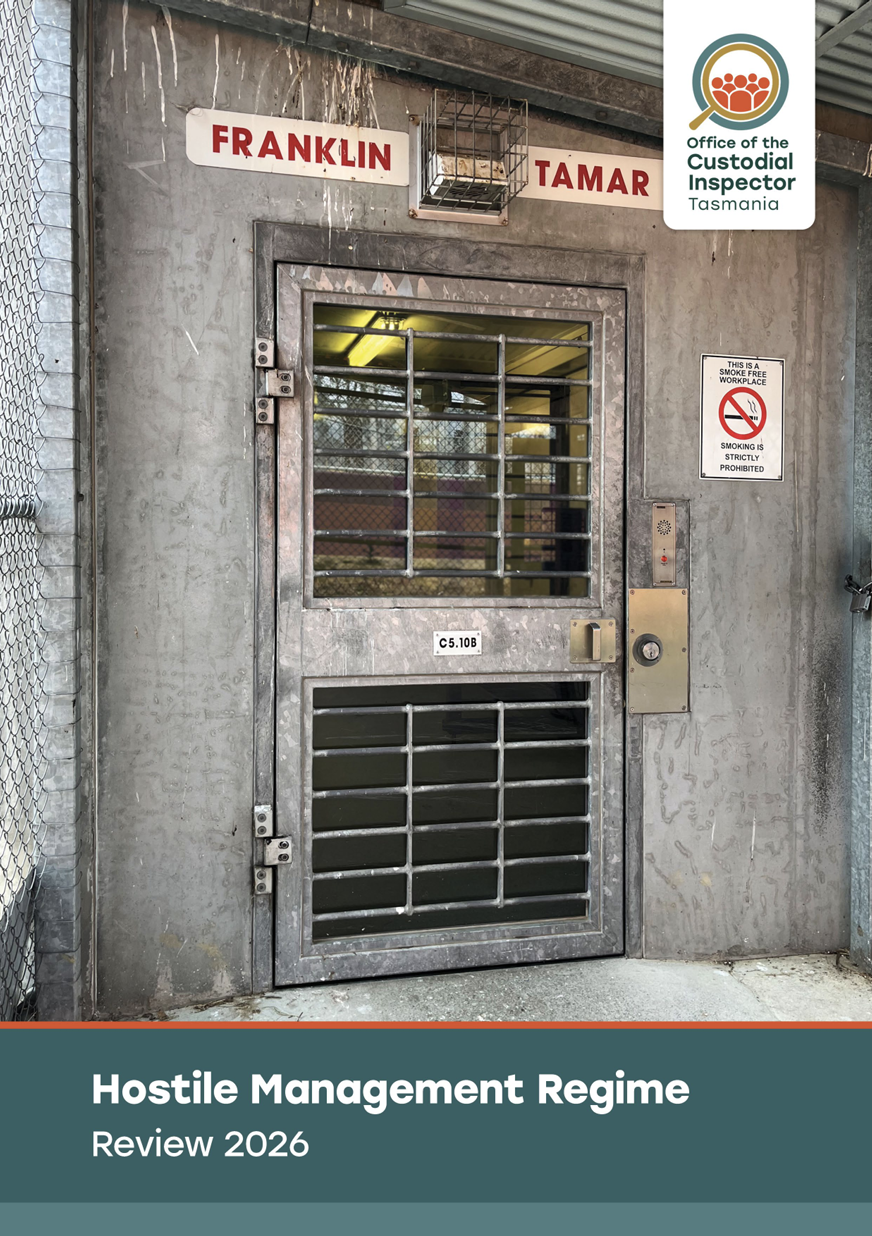
"The Inspector found that the Tasmania Prison Service's separation policy did not specifically refer to Aboriginal peoples and that there was no evidence of additional support being provided to Aboriginal peoples placed on the regime."
Following the report's release, Tasmanian Greens spokesperson for corrections and rehabilitation, Cecily Rosol, said it is "totally unacceptable that people in custody in Tasmania were treated so inhumanely".
"The conditions they were kept in were extremely degrading, and something no person should have to go through," she said.
"The story of prisoners who lay naked on the cold floor with no mattress and nothing to put over them are harrowing."
Ms Rosol said it's clear there are systemic issues with how people are treated in custody in Tasmania.
"At a basic level, all people in Tasmanian custodial settings should have their human rights respected," she said. "Treatment like this cannot be allowed to continue."
The National Network of Incarcerated & Formerly Incarcerated Women & Girls (National Network) also condemned the treatment of Tasmanian prisoners "in the strongest possible terms," saying: "This is not behavioural management. This is torture."
"Prison officers are employed and paid by the state. Their violence is enabled by the state, and the people subjected to that violence are held captive by the state. The Tasmanian Government cannot distance itself from this brutality simply because prison management claims it did not know what was happening," National Network member Tabitha Lean said.
Tasmanian Attorney-General Guy Barnett was critical of the regime.
"The treatment experienced by prisoners under the Hostile Management Regime between 2022 and 2024 was unacceptable and fell short of the standards expected by the Tasmanian Government," he wrote.
The National Network rejected Mr Barnett's characterisation.
"Torture is not a shortfall in professional standards. Cruel, inhuman and degrading treatment is not an administrative oversight. These are grave violations of human rights," National Network founder, Debbie Kilroy, said.
"Australia is a signatory to the United Nations Convention against Torture. The United Nations Standard Minimum Rules for the Treatment of Prisoners (the Nelson Mandela Rules) expressly prohibit disciplinary sanctions that amount to torture or other cruel, inhuman or degrading treatment or punishment, including the reduction of food or drinking water.
"These obligations are not optional, nor are they contingent upon whether an incarcerated person is polite, compliant or sufficiently submissive to prison officers."
Mr Smith said the Custodial Inspector has made 10 recommendations, including reviewing staff conduct, strengthening senior management inspections, improving complaints processes and developing a best-practice model for managing challenging behaviour.
The Department of Justice has supported the recommendations in full or in part. TALS says implementation must be transparent, independently monitored and focused on changing conditions for people in custody.
Mr Smith said the response must address the systems and culture that allowed the regime to develop and continue.
"Stopping the Hostile Management Regime is only the starting point. The more important question is whether the systems, practices and organisational culture that allowed it to happen have genuinely changed," he said.
"We need proper oversight, accessible complaints processes and accountability when staff or systems fail. We also need behaviour management approaches that are therapeutic, culturally safe and consistent with human rights.
"The Government must demonstrate that these reforms are being implemented and that people in custody are safer and treated with dignity."