



The Royal Flying Doctor Service (Queensland Section) Far North Mental Health and Wellbeing program has provided more than a decade of specialised support to remote Indigenous communities.
The service operates across 15 locations in Cape York and the Gulf of Carpentaria where access to psychological care is often limited.
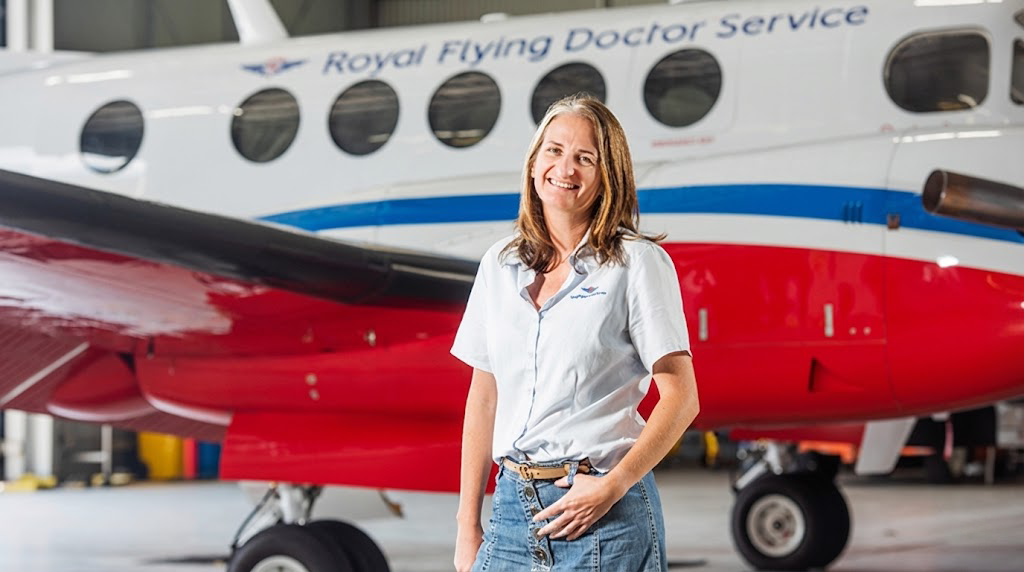
The RFDS (Queensland Section) Manager Far North Mental Health and Wellbeing, Jos Middleton, leads a team dedicated to closing the gap in health outcomes for Indigenous people in the region.
The program offers face-to-face counselling for individuals experiencing mild to moderate mental health challenges while also providing disaster recovery support.
Ms Middleton said the team works tirelessly to support people in rural areas who statistically experience higher rates of suicide and psychological distress.
She acknowledged the ongoing challenge of recruiting Indigenous clinicians to fill specific roles within the organisation.
Ms Middleton noted that while the organisation employs Indigenous staff she is actively seeking a recognised counsellor to join the mental health team.
She explained that in the absence of a full Indigenous workforce her current clinicians act as dedicated allies to the communities they serve.
"I would love mob to be in my seat and somebody else to be driving this program... but the reality is there isn't anybody there to do this role yet," Ms Middleton said.
"In the meantime, I'm doing my absolute best to be on your side, to be one of your allies and to deliver the best we can to support your people.
"We are all here to close the gap, see some positive mental health outcomes and hopefully see that suicide rate start to drop as well."
Success in these remote regions relies heavily on strict adherence to local cultural protocols and building trust over time.
Clinicians operate with a trauma-informed approach that shifts the focus from diagnosis to understanding a person's life experiences.
Staff must navigate complex customs regarding Sorry Business which can vary significantly between communities like Aurukun and Kowanyama.
.jpg)
Ms Middleton detailed how respecting periods of mourning often means ceasing home visits or loud activities until funerals conclude.
She recalled her own experience in Aurukun where naming conventions required her to be addressed by a nickname to avoid speaking the names of deceased persons.
"We learn what is appropriate and relevant as much as the people living in that community are able to share with us," Ms Middleton said.
"We learn what is possible, how to move through community through sorry time, recognising that it's a time for quiet".
Recent data highlights the significant reach the service has achieved among Indigenous populations in the Far North.
In the 2024-25 financial year the service recorded 3107 occasions of service to people identifying as Aboriginal or Torres Strait Islander.
An external evaluation found that for every dollar invested in the program nearly thirty dollars of social value is generated for the region.
The report linked the program to reductions in family violence and alcohol use while improving general mental health literacy.
Feedback from residents indicates that the consistent presence of RFDS staff has helped break down barriers of shame and fear.
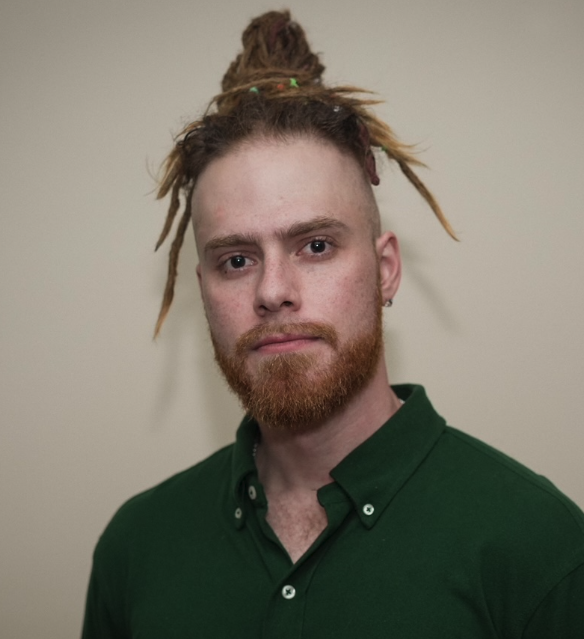
One recipient described a clinician as a "hairier fairy angel" who helped him learn to deal with his emotions.
Ms Middleton shared feedback from a First Nations health worker who praised the reciprocal learning relationship between the organisations.
"She has helped so many of the men, especially with relationships and anger," the worker said.
"We work well together, I support her culturally... like give her guidance about the men and she supports me in my knowledge of mental health and counselling."
The connection between staff and community members often extends beyond clinical settings into personal milestones.
Ms Middleton highlighted a moment in Kowanyama where a local artist named Mr Harry saw his artwork featured on team shirts.
She also noted that former staff members often return to the region due to the strong bonds formed with residents.
The team continues to partner with other providers such as Swift FNQ to deliver diverse therapy options.
Residents in the Cape and Gulf regions can access these services through local referrals or community clinics.



