


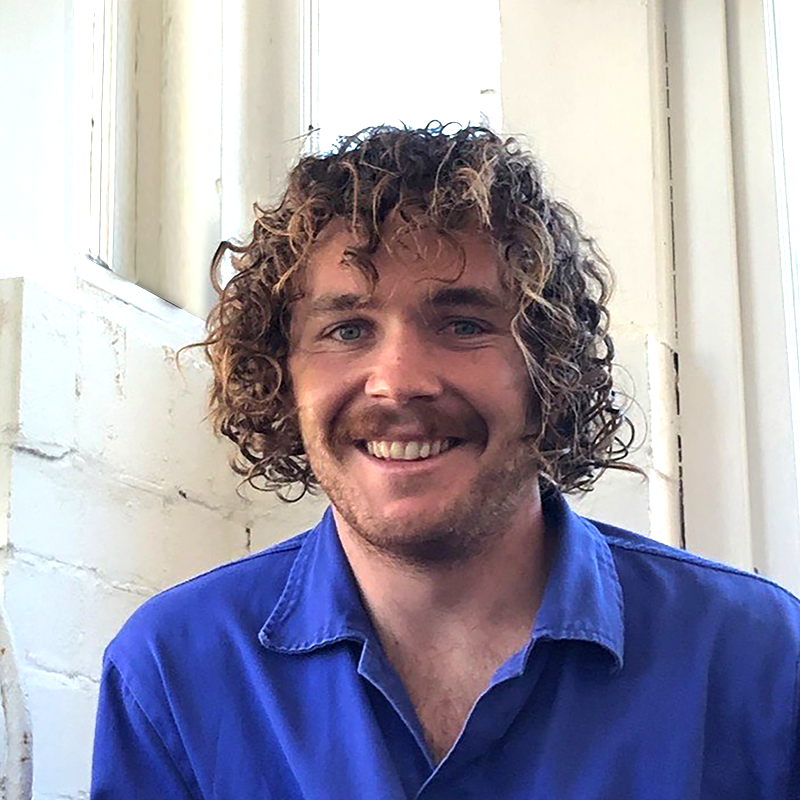

With thousands of kilometres of power transition lines needed across the Australian continent, on Indigenous land, our people can and should play a strong role in the process.
This is the perspective of Karrina Nolan, director of the First Nations Clean Energy Network speaking at its national symposium in Djilang (Geelong) in April.
"If proponents engage with our communities earlier, not when something's designed, then the benefits really are genuine and long-term," Ms Nolan told National Indigenous Times, adding self-determination on local benefit is critical.
This goes for large-scale and long term projects, ownership of assets and broader economic opportunity and also cases where communities just want cheaper power bills and more reliable power, she explained.
The Federal Government has committed $70 million in investment over three years from 2025 via the First Nations Clean Energy Program.
Grants are available for clean energy projects.
During the symposium Climate Change and Energy Minister Chris Bowen announced $10 million available for up to two Indigenous organisations to support projects with an expected capacity over 1 MW, beyond feasibility and towards financial close.
Communities across the country are already seeing benefits from local projects.
Scott McDinny, with Original Power, says at home in Borroloola, the build of a solar 2.1 megawatt solar PV (photovoltaic), 6.2 megawatt battery microgrid will reduce frequent power outages. It will also create jobs.
Original Power is an Indigenous-led not-for-profit supporting communities with the delivery of renewable energy projects.
"It's a big project," he said, for a community currently relying on diesel generation, and looking at a much more reliable connection.
In Marlinja, Aleeta Dixon has been working to build her community's microgrid solar project for the last five years.
The solar system means more, and cheaper power, she said.
The symposium's conversations canvassed equity and co-ownership pathways, regional and remote energy equity, investment opportunities, utilities, policy, and community benefit options.
Five years ago, there were 150 people at the first national symposium, First Nations Clean Energy Network's Cissy Gore-Birch said. 2026 saw 500 people attend.
"Leaving no one behind" was a common theme, Ms Gore-Birch said.
As was government commitments and the role First Peoples play in clean energy, she said.
"It's about bringing people together First Nations people of this country to talk about the issues around our communities, our regions, our states, and territories...to share knowledge and understanding of how fast this space is moving," Ms Gore-Birch said of the symposium.
Some in the network are new to clean energy works, while others are 20 years in, already making community energy solutions a reality, Ms Nolan said.
This extends to mitigating potential damage to sacred sites, economic wealth opportunities, and being reliable stakeholders on long-term projects.
This work is about lifting "the aspiration of our community to be part of the transition" Ms Nolan said.
Government needs to meet them and understand the collective benefits available, she added.
The First Nations Clean Energy Symposium was hosted at Nyaal Banyul Geelong Convention and Event Centre from August 18-20.



